Crystal Canyon

[pgc_simply_gallery id="952"]
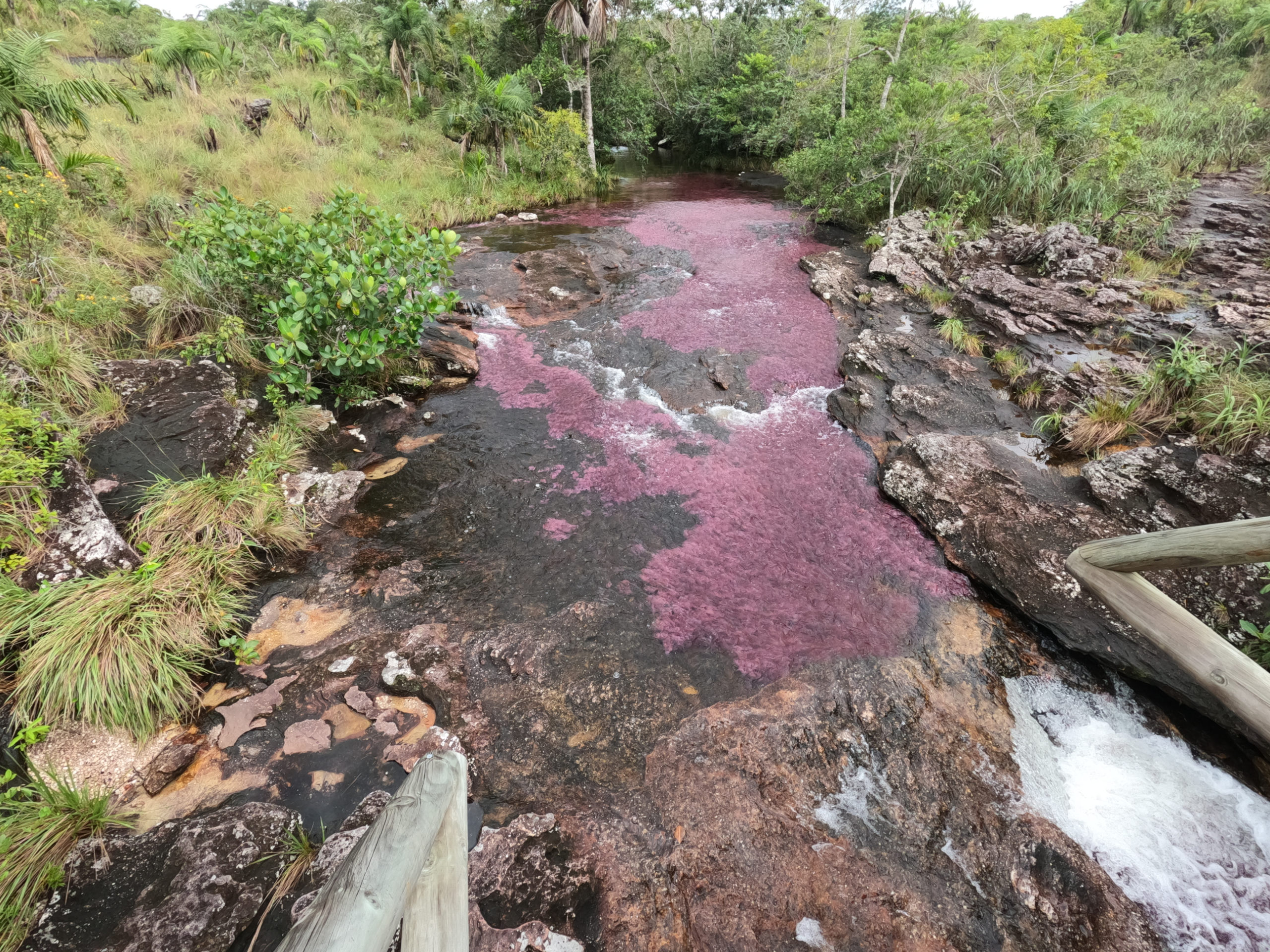
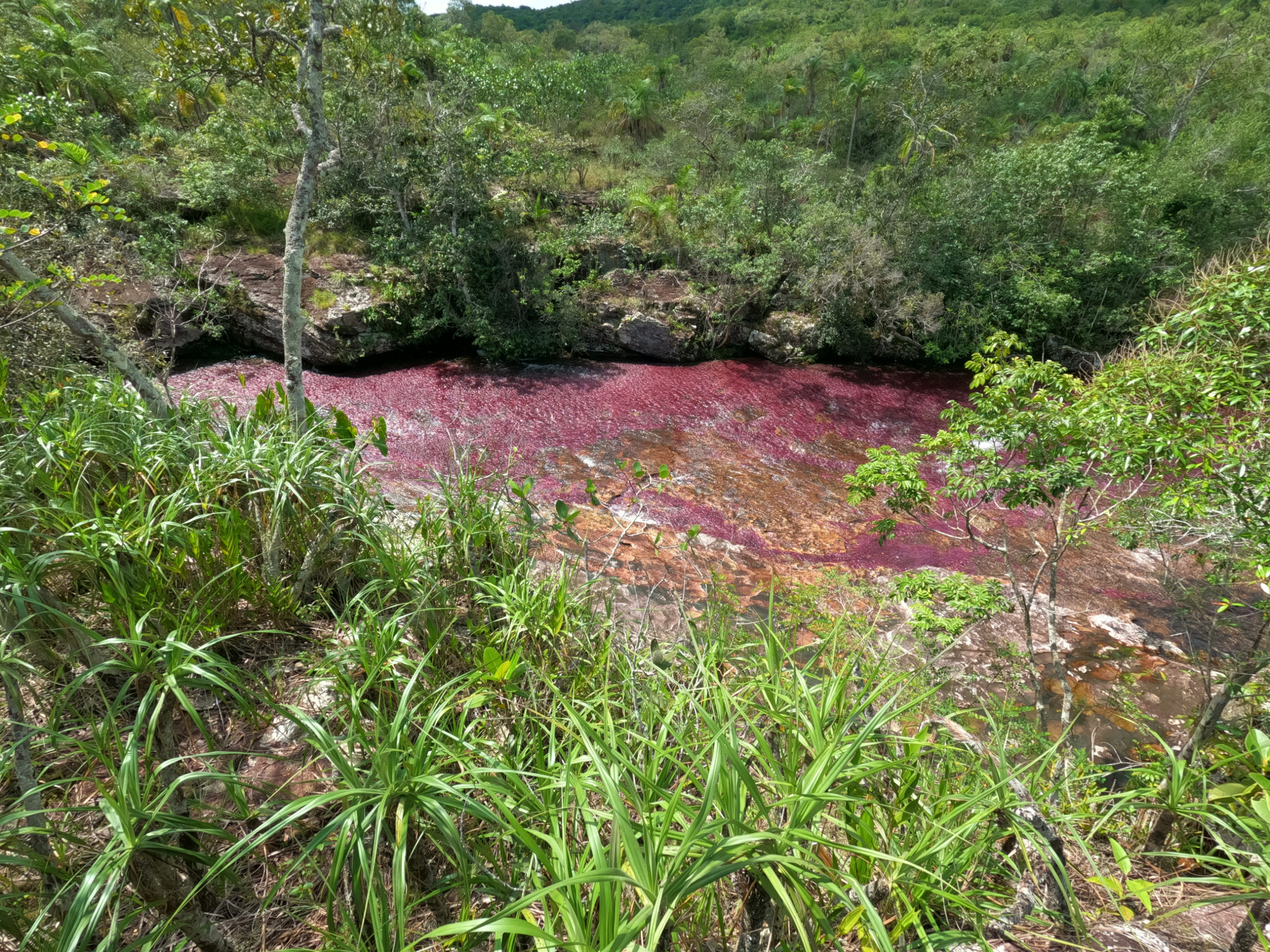
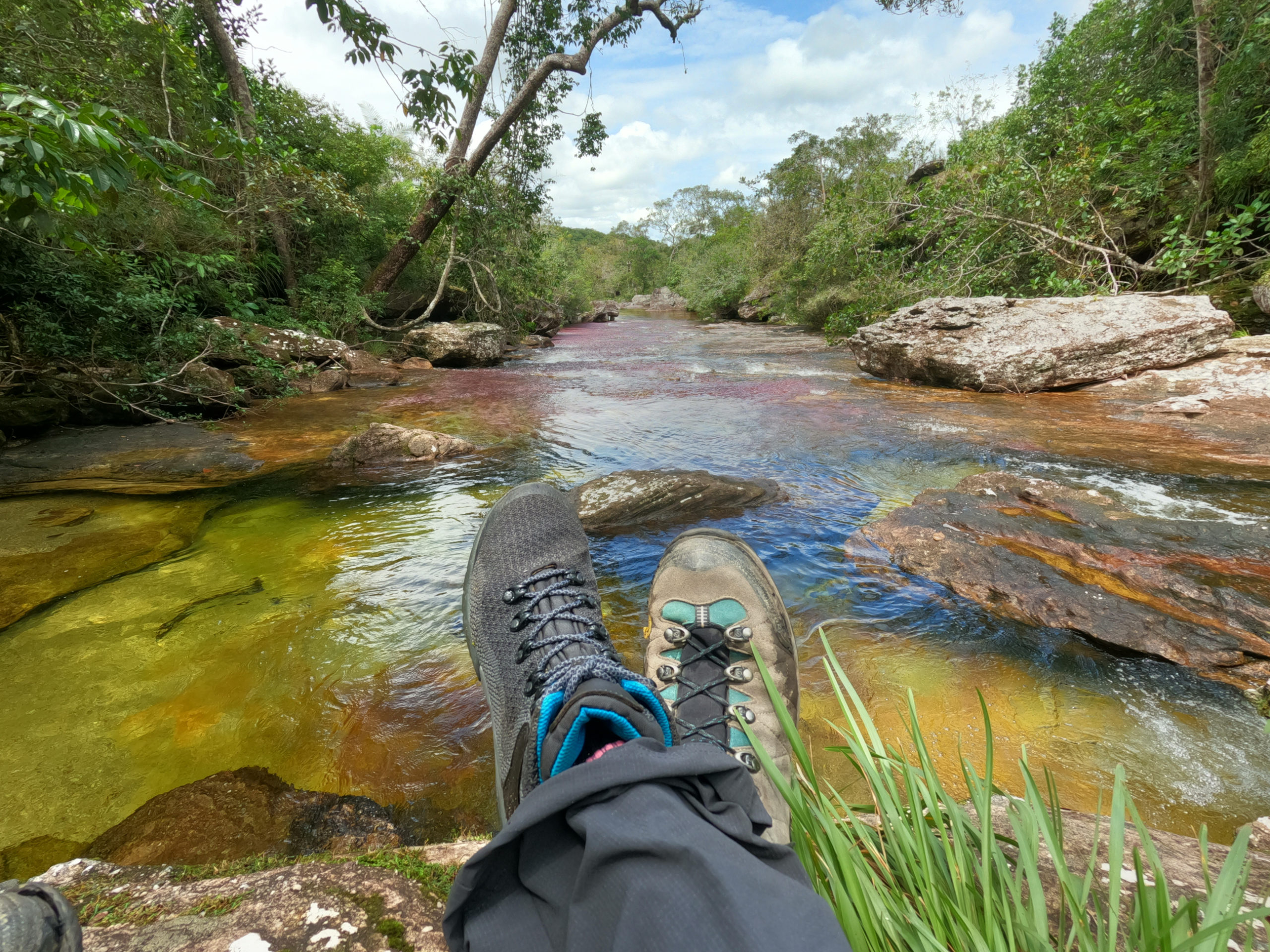
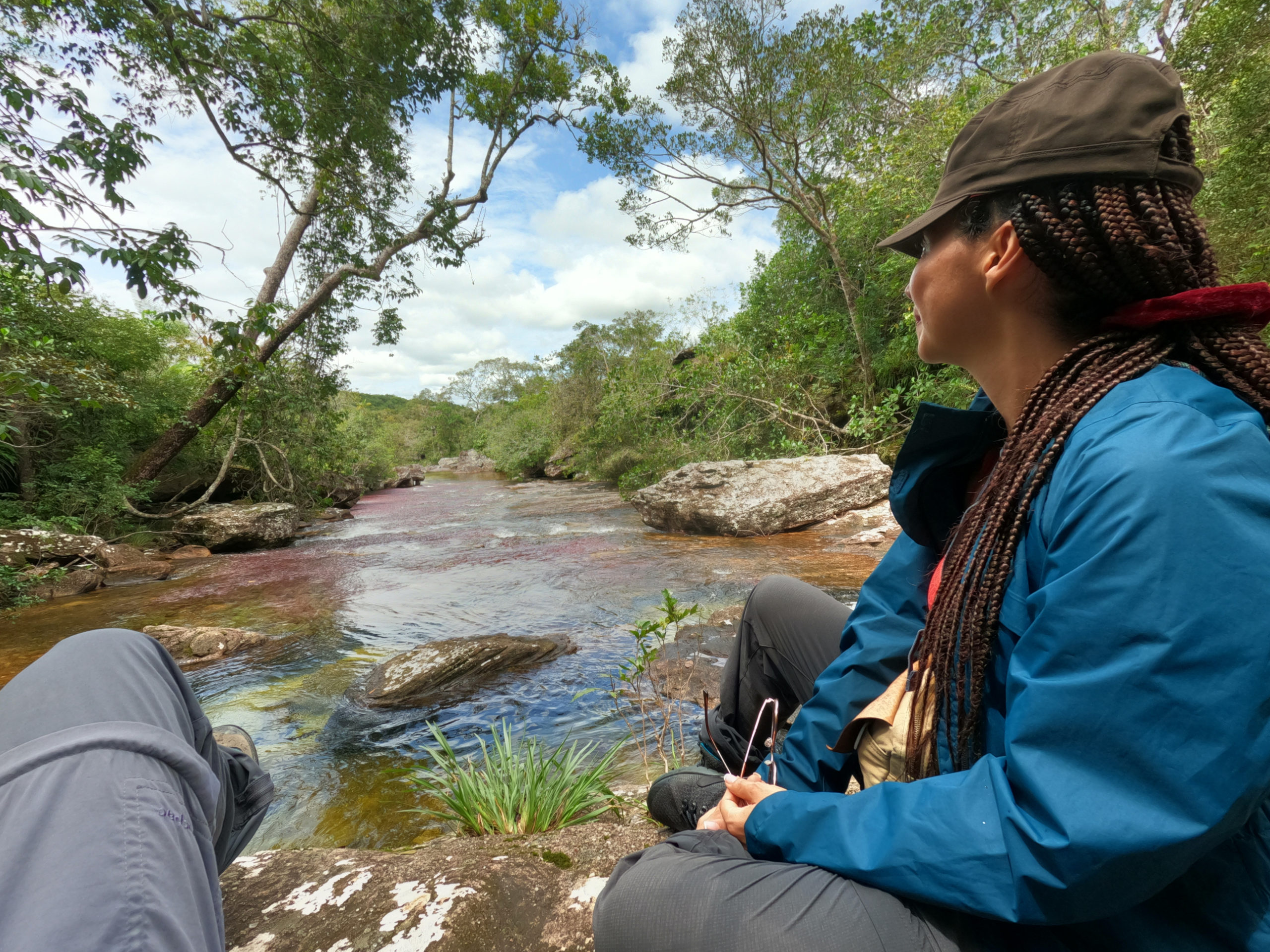
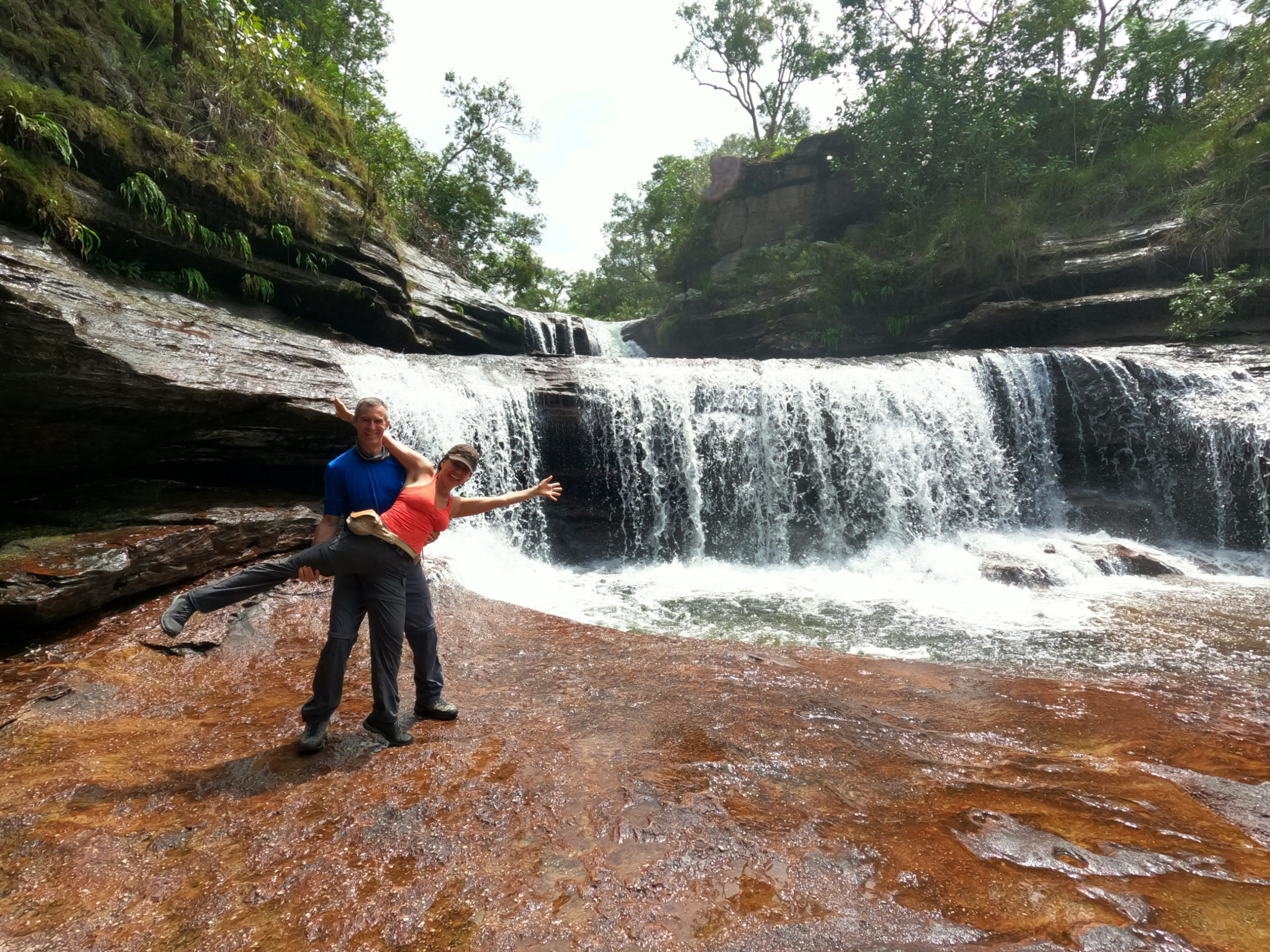
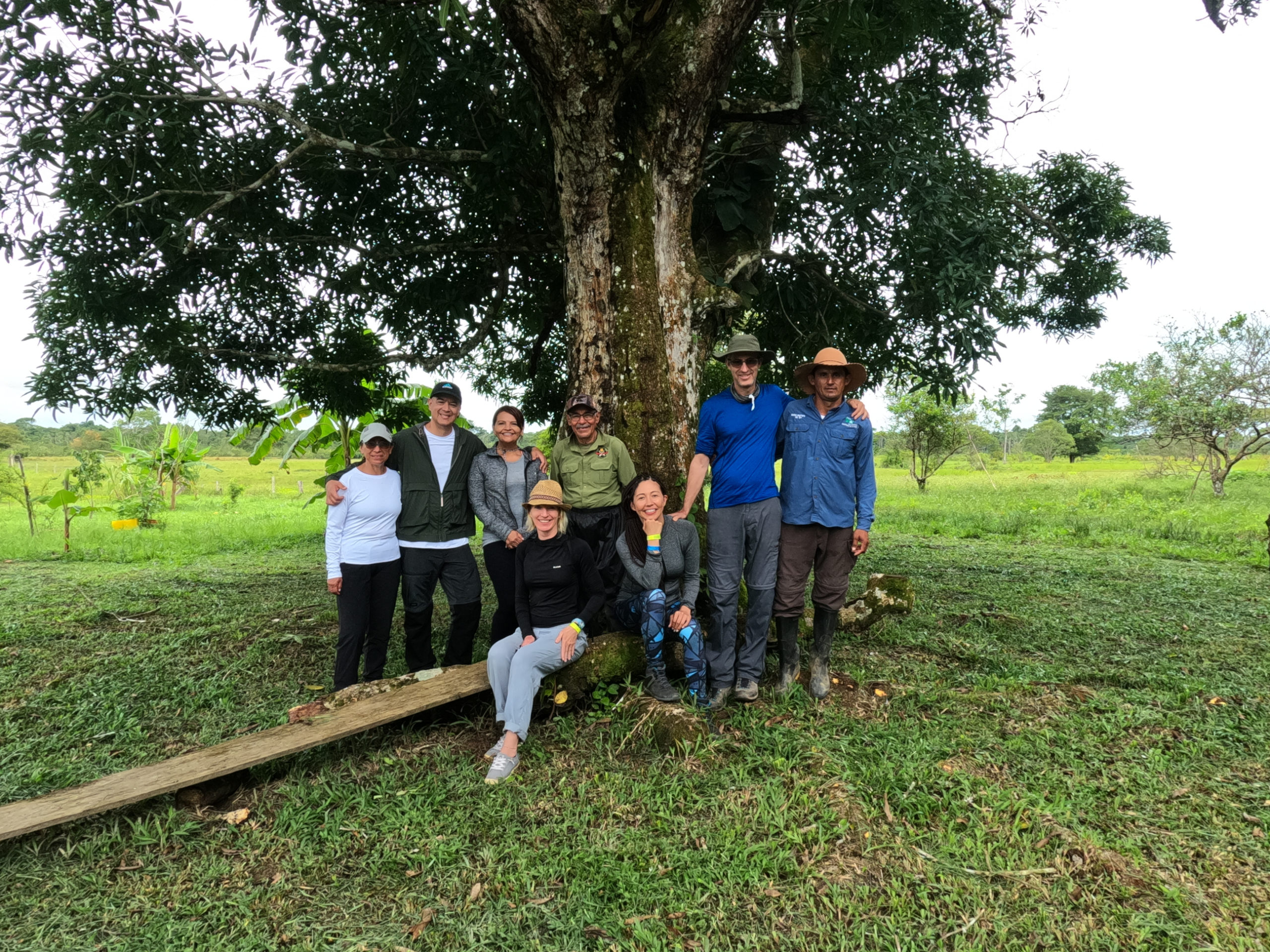
Sandra recently met Lana, a Swiss girl at Euphoria, where we’ve been learning to dance (better). She invited us to join her on a tour of Colombia’s Crystal Canyon, home to the Rainbow River, one of the most spectacular sights in Colombia. Of course we jumped at the chance.

We were happy to find ourselves grouped with a friendly couple from Medellin and a friendly, knowledgeable guide, though that could probably be said for all of the guides operating in the area. Our 52 seat, propeller-driven aeroplane landed on the edge of the small town of La Macarena, where we were welcomed, tagged and shown an introductory video outlining the rules we must follow to keep the river safe. The most problematic was that no chemicals were allowed in the river, which meant no wearing sunscreen.

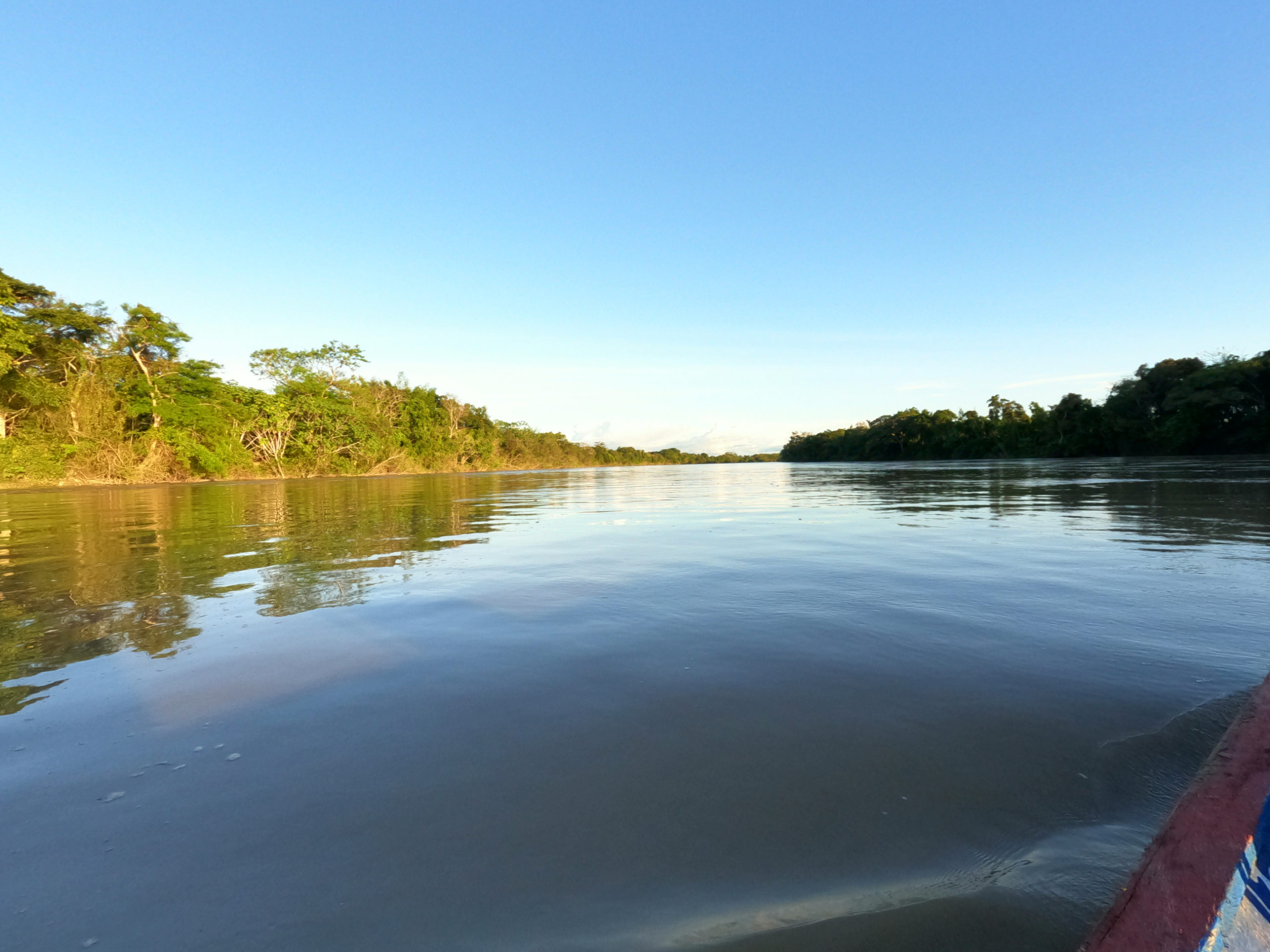
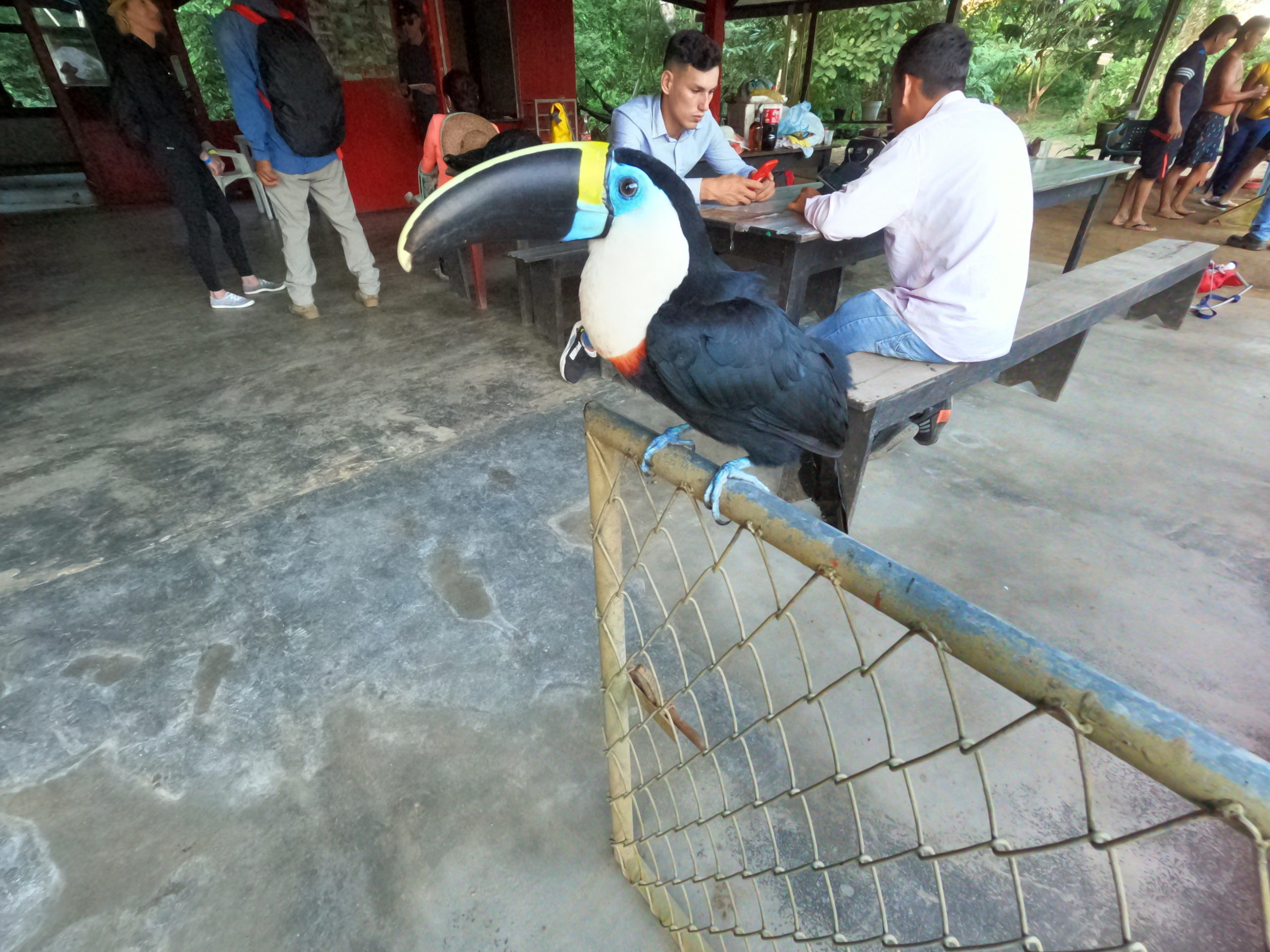
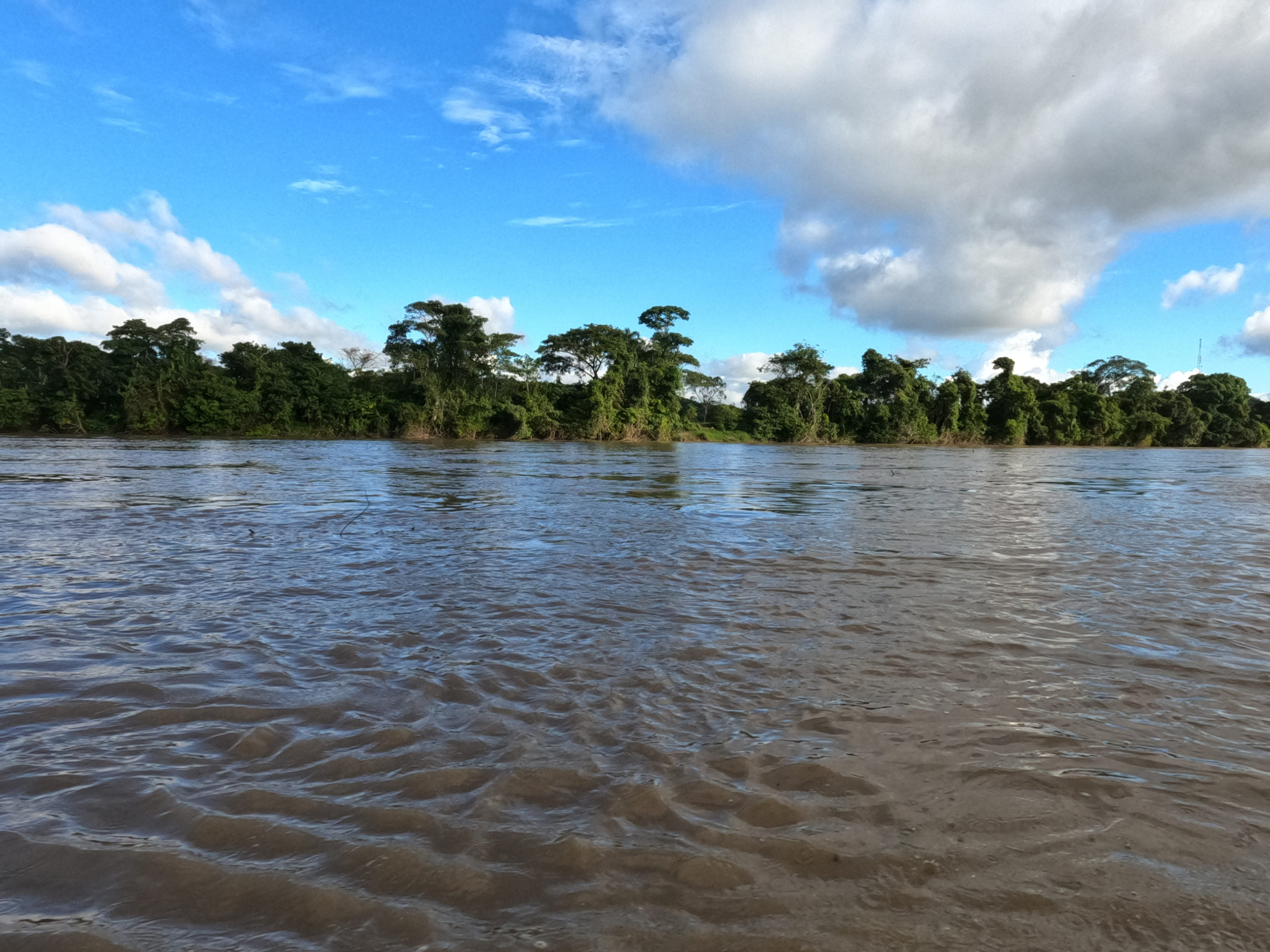
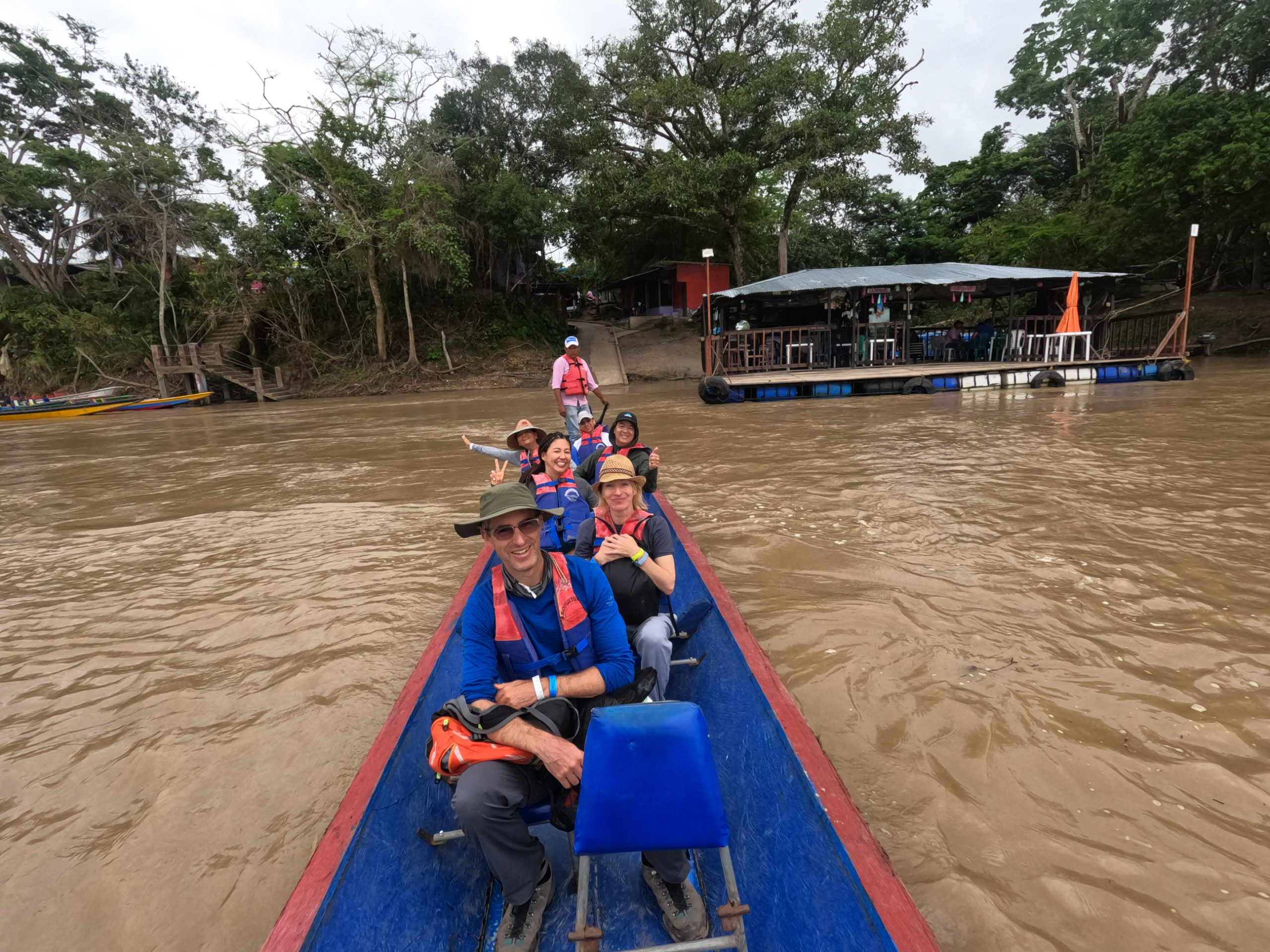
With barely enough time to dump our gear in our hotel and change into my only long-sleeved shirt (Merino wool, but thankfully only a light base layer), we were bundled into a motorised canoe and taken up the Guayabera River to our first walk. This was to Caño Cristalito, where we’d get our first taste of the jungle, eating a late lunch in a purpose-built open shack. We’d only just sat down when a flapping past my ears made us all look up to find a toucan flapping its way into the kitchen. We followed it and realised that it was a regular visitor. It suddenly doubled back and raced for our unattended lunches, but thankfully we were in time to save them. The toucan kept us company for the rest of the meal with a dark eye on any unguarded food.

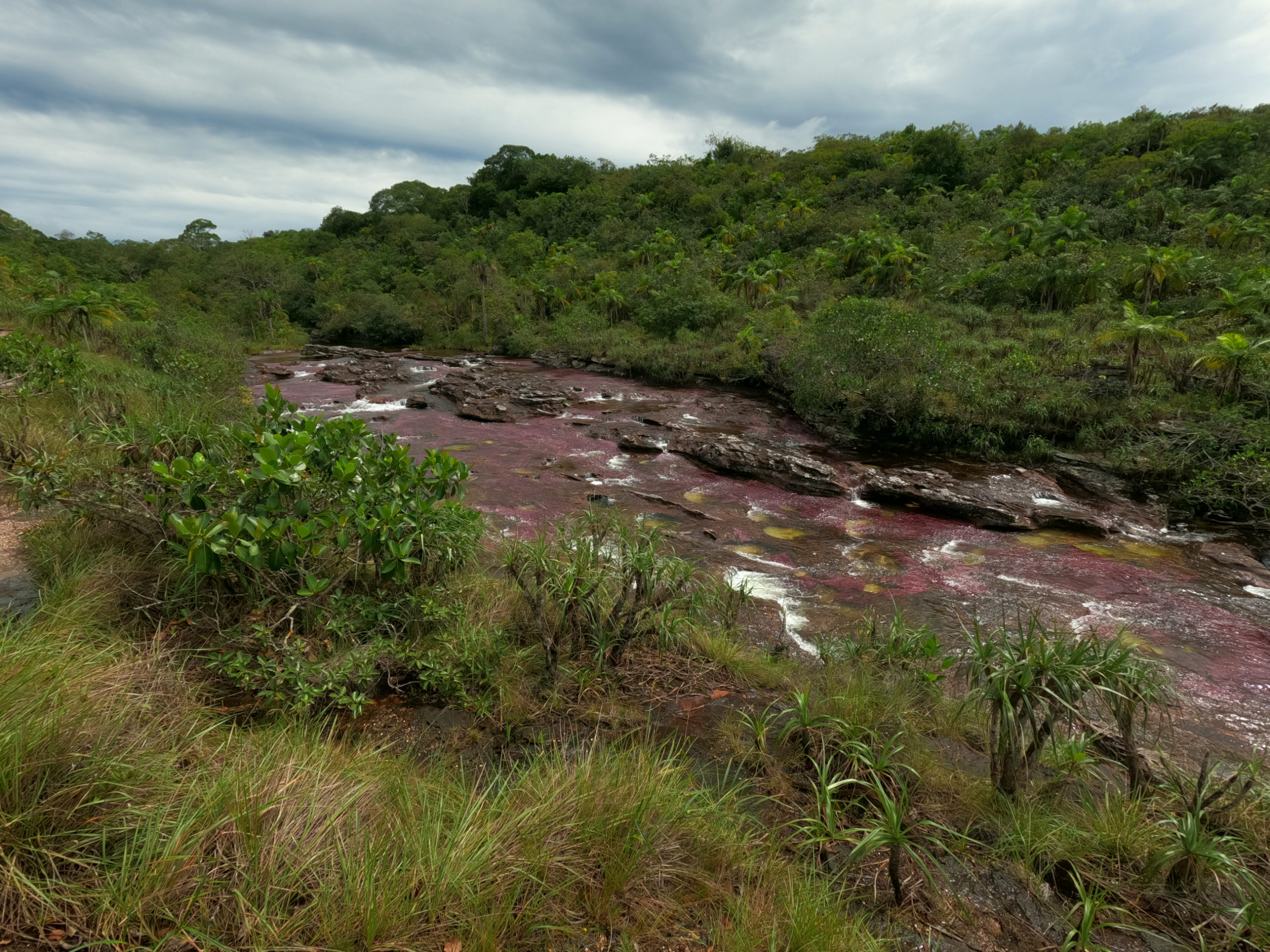
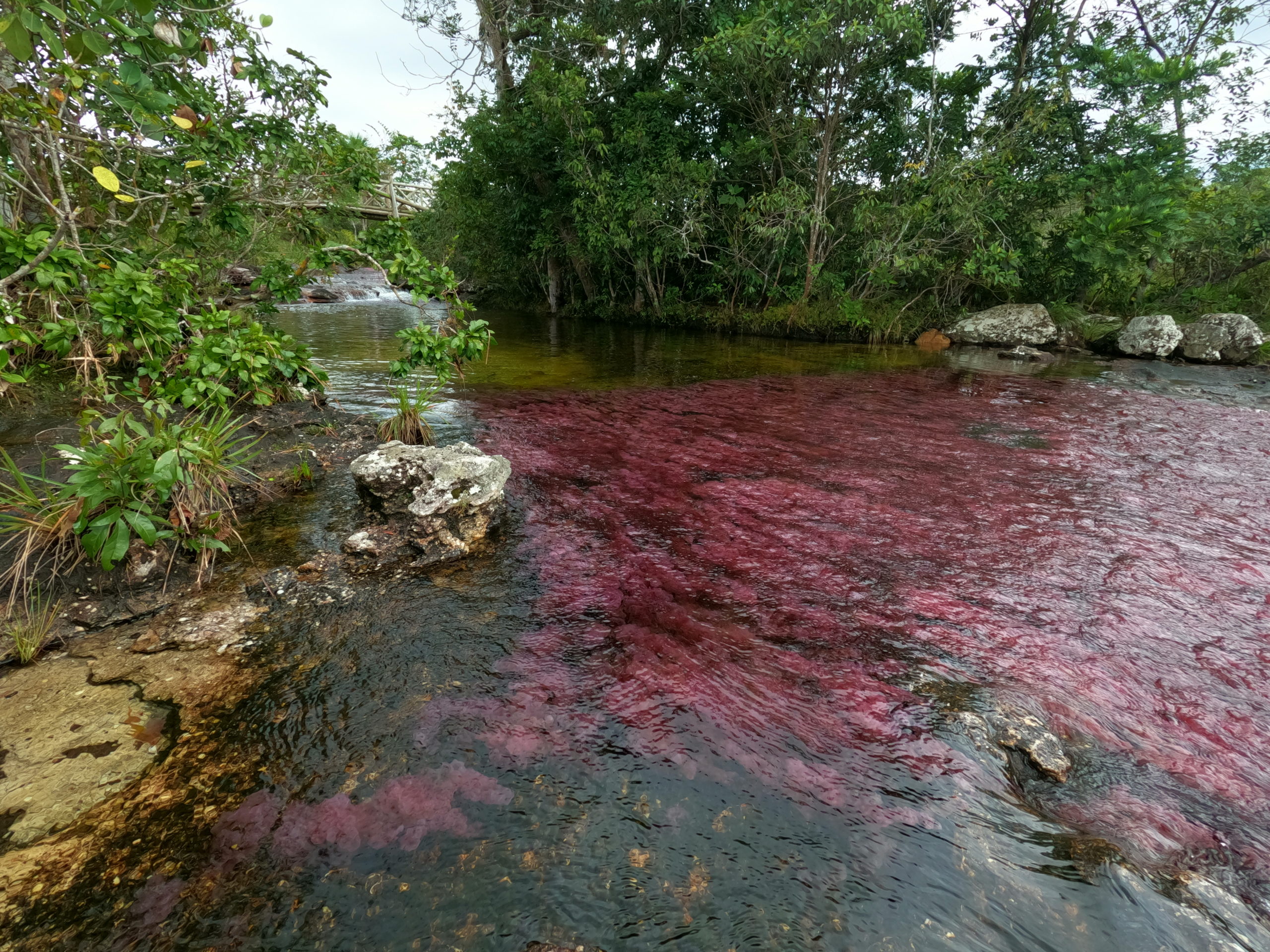
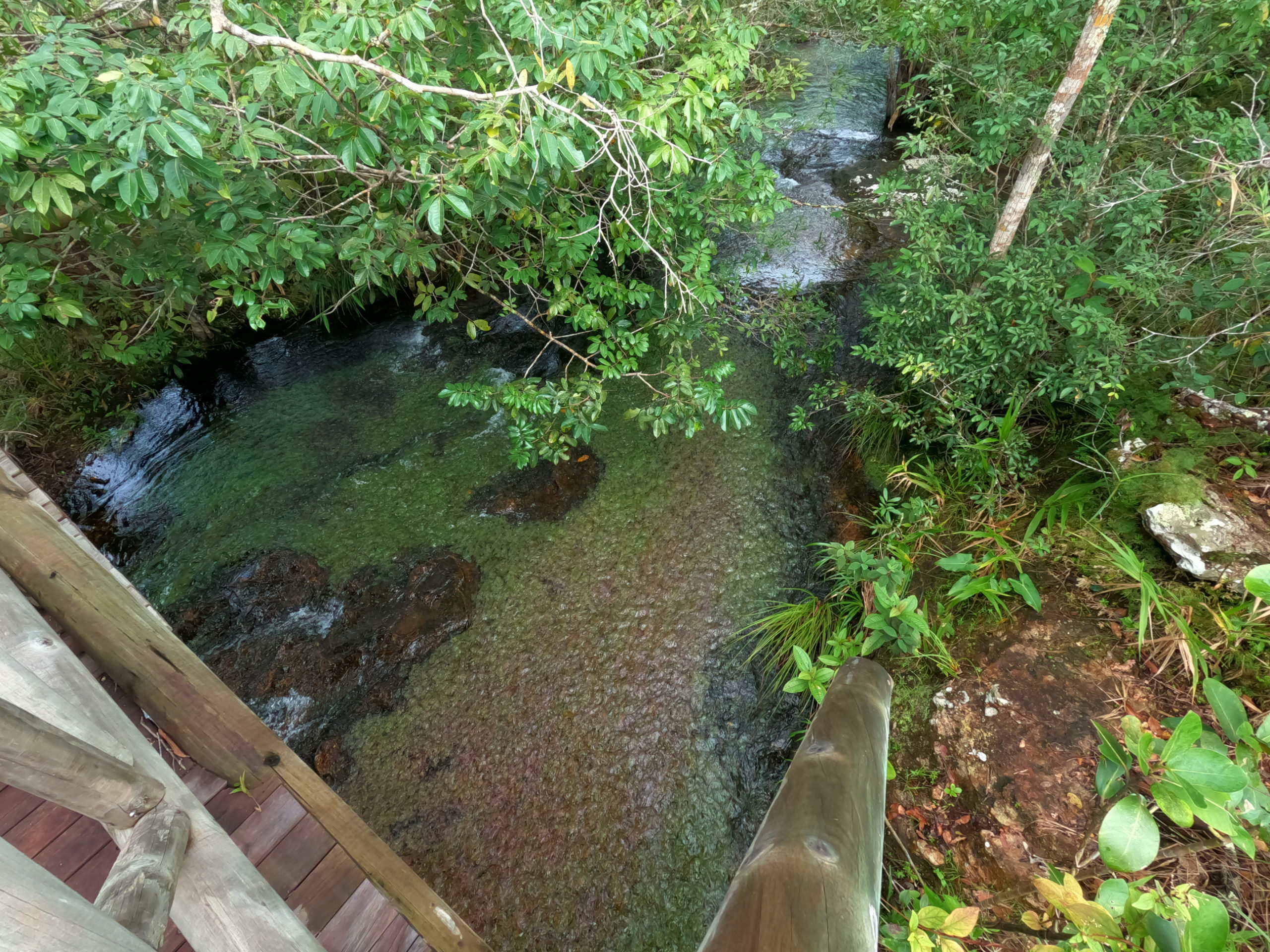
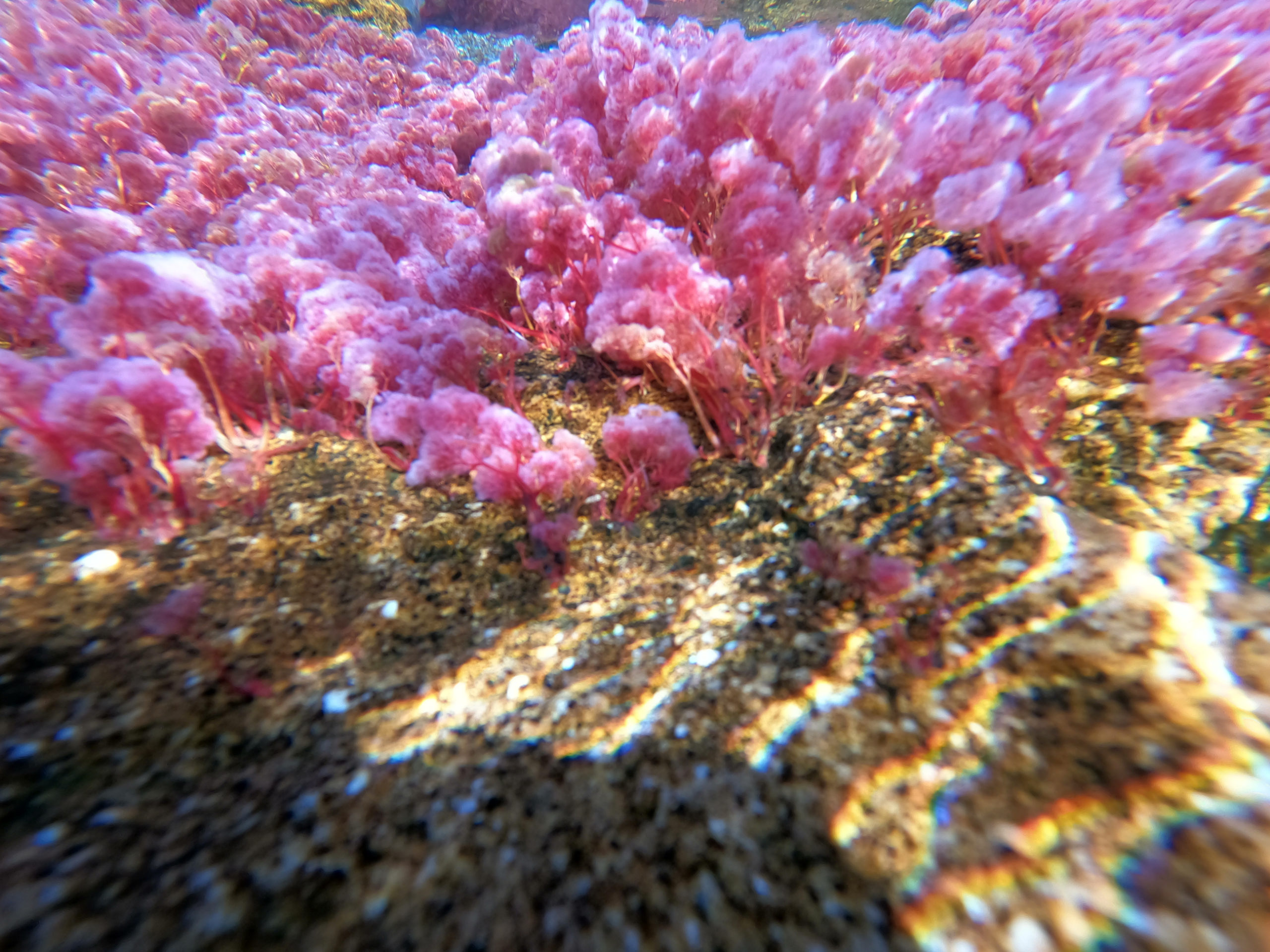
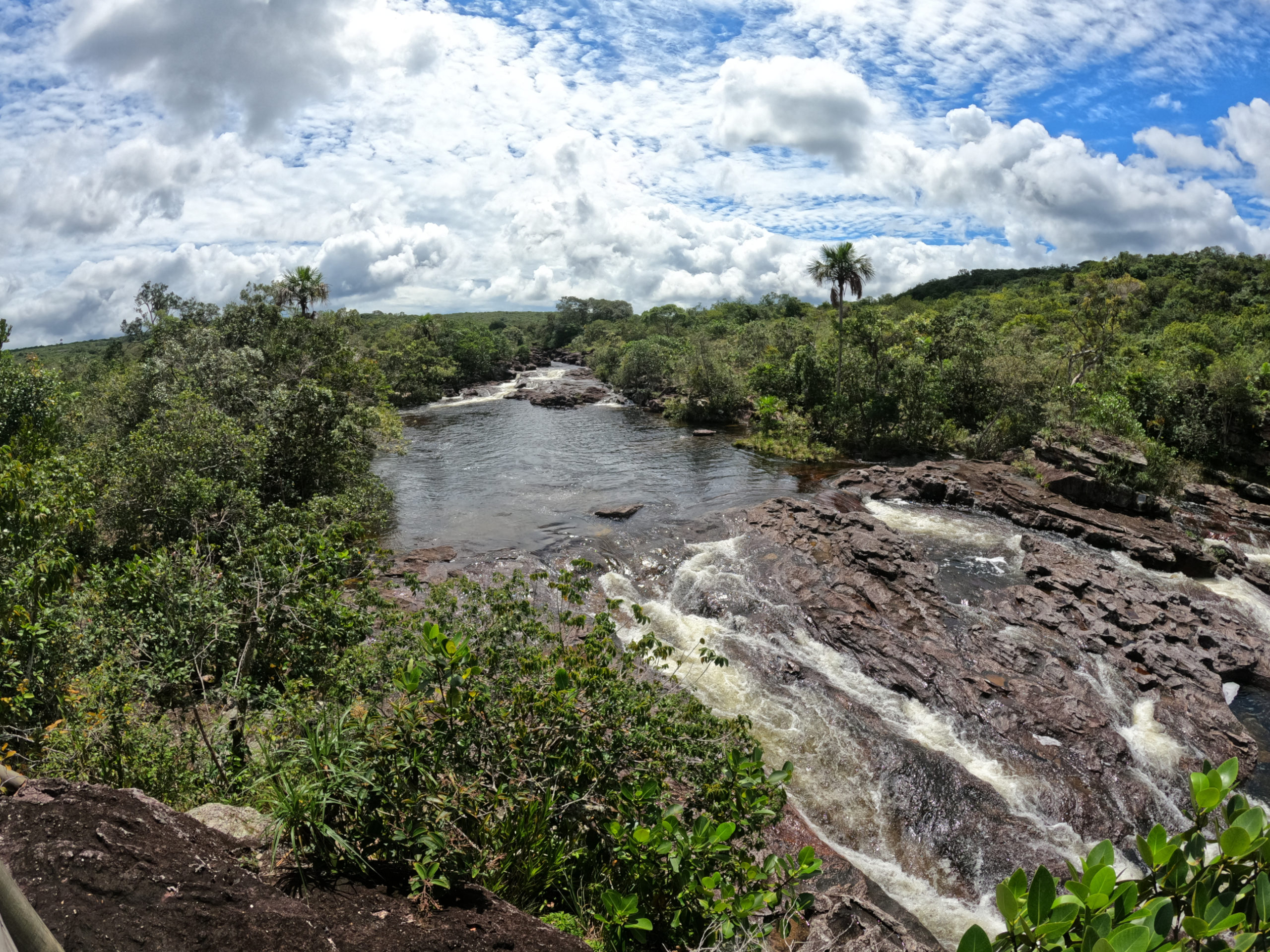
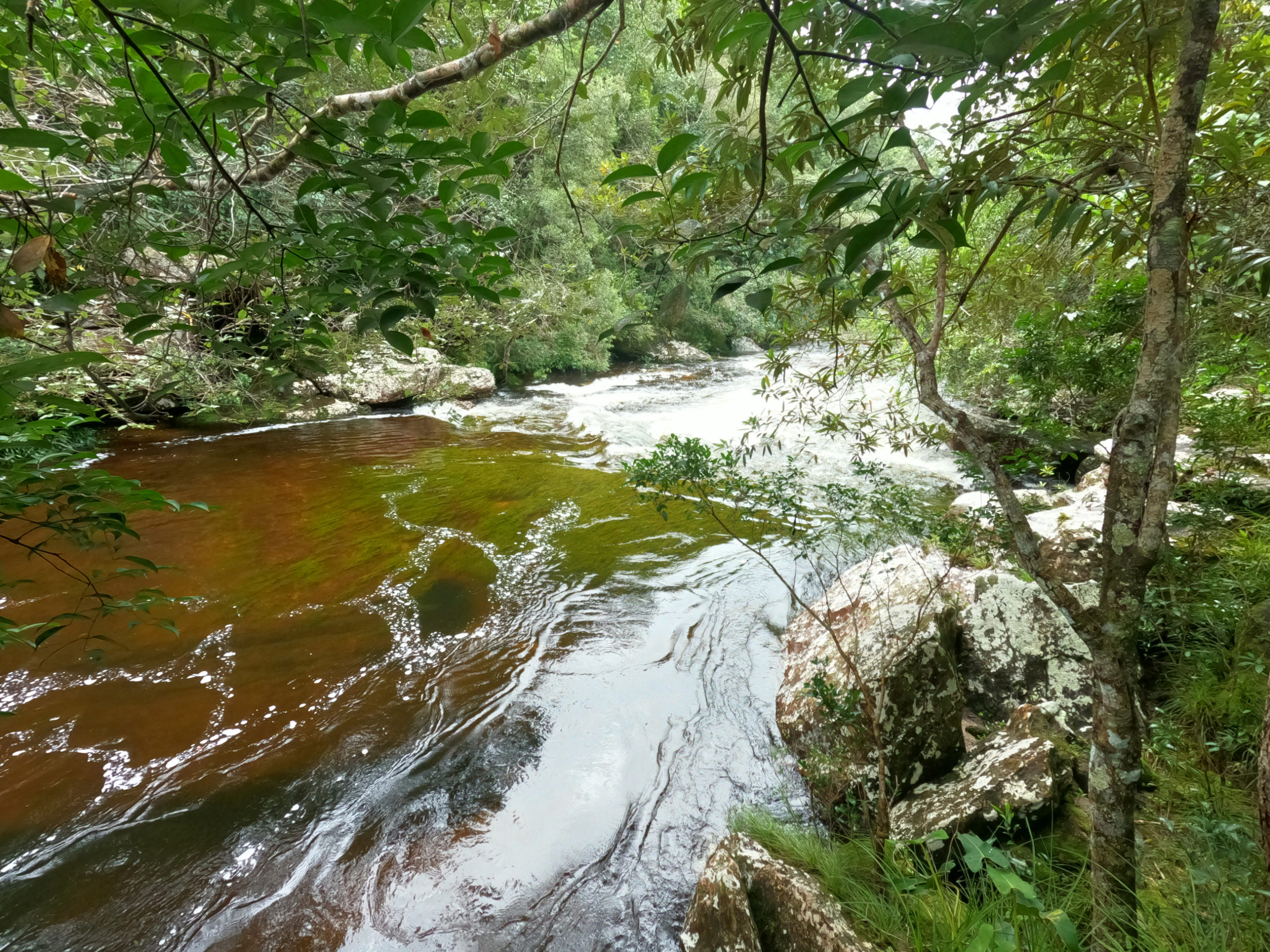
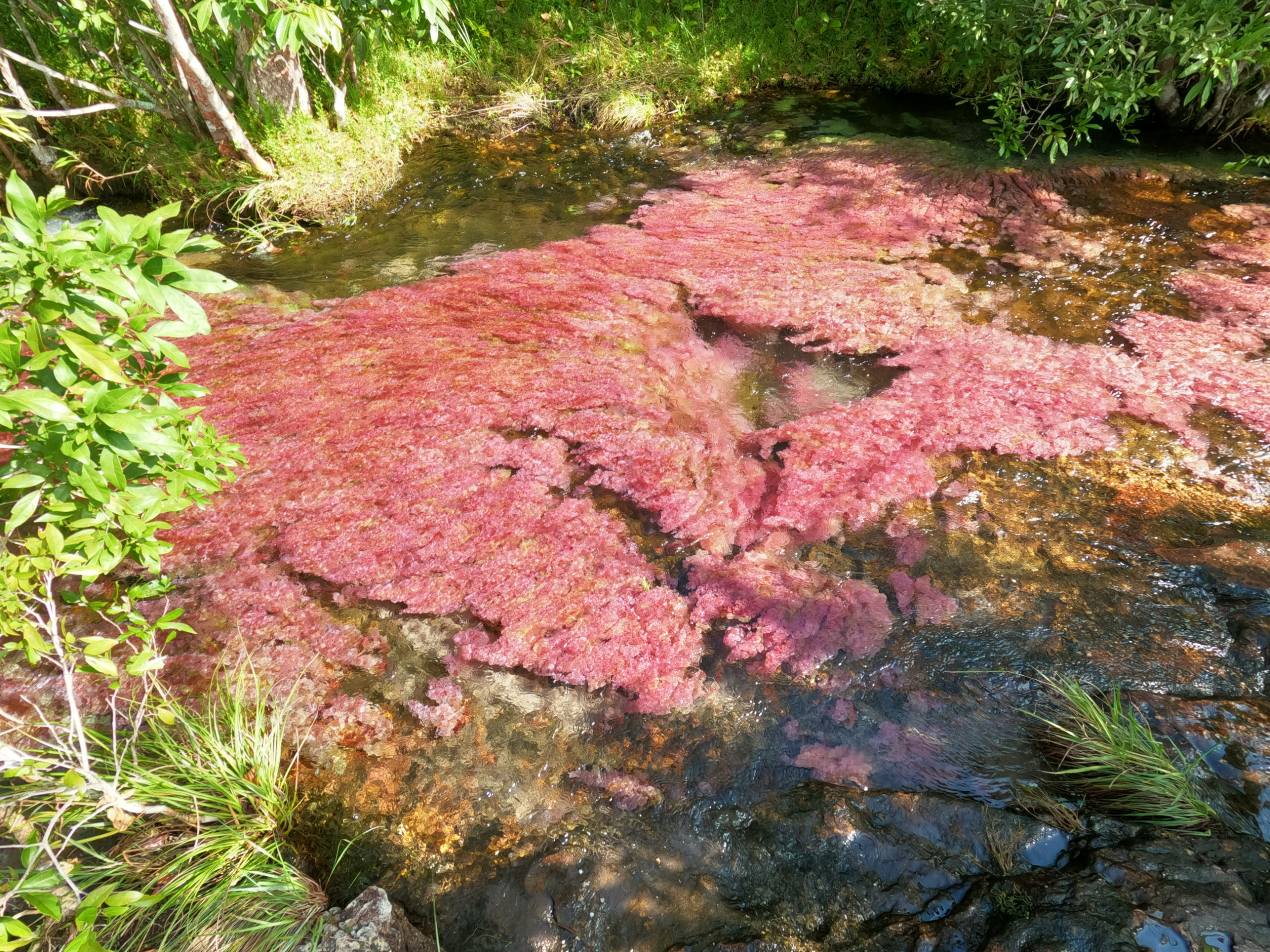
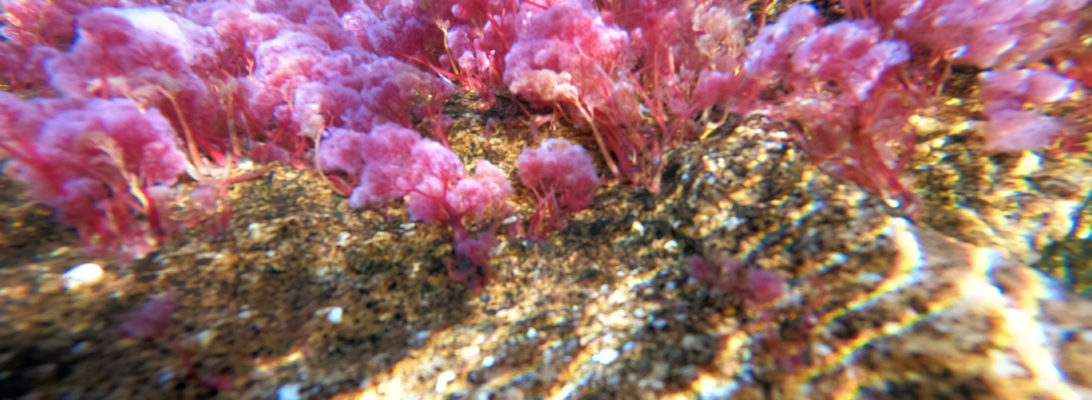
A short walk beyond the shack we got our first sight of Macerania Clavigera, a plant which gives the river its red colour. Our guide explained that when the river was too full, the plant would be too far below the surface to have much effect. He then picked up a red twig that wasn’t attached to the rock and lowered it into the water. Membranes that had appeared twig-like in air unfurled in the water to reveal themselves as Macerania Clavigera. When the river was empty, there clearly wouldn’t be much to see either, so it’s only worth visiting at certain times of the year.

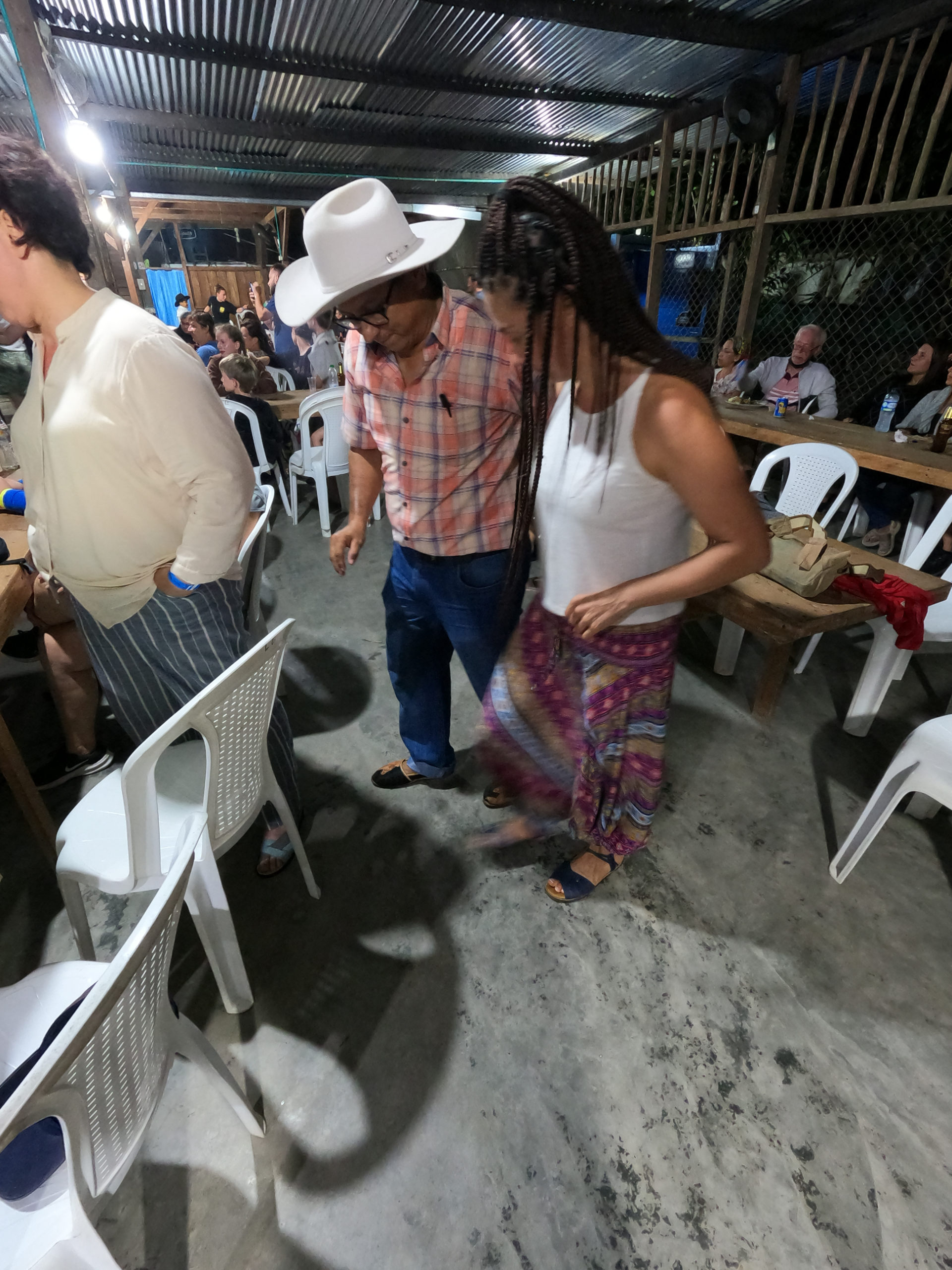
The long day ended with dinner and a show, where young dancers performed the local stamping dance to live music played on a base guitar, a ukelele and a harp among other instruments. The kids showed us the basic steps (left, right, slide, right, left, slide) then ventured into the audience to invite visitors to join them. With only two girls, I wasn’t chosen as a partner, but a local man invited Sandra up to dance with him, and she loves to dance.

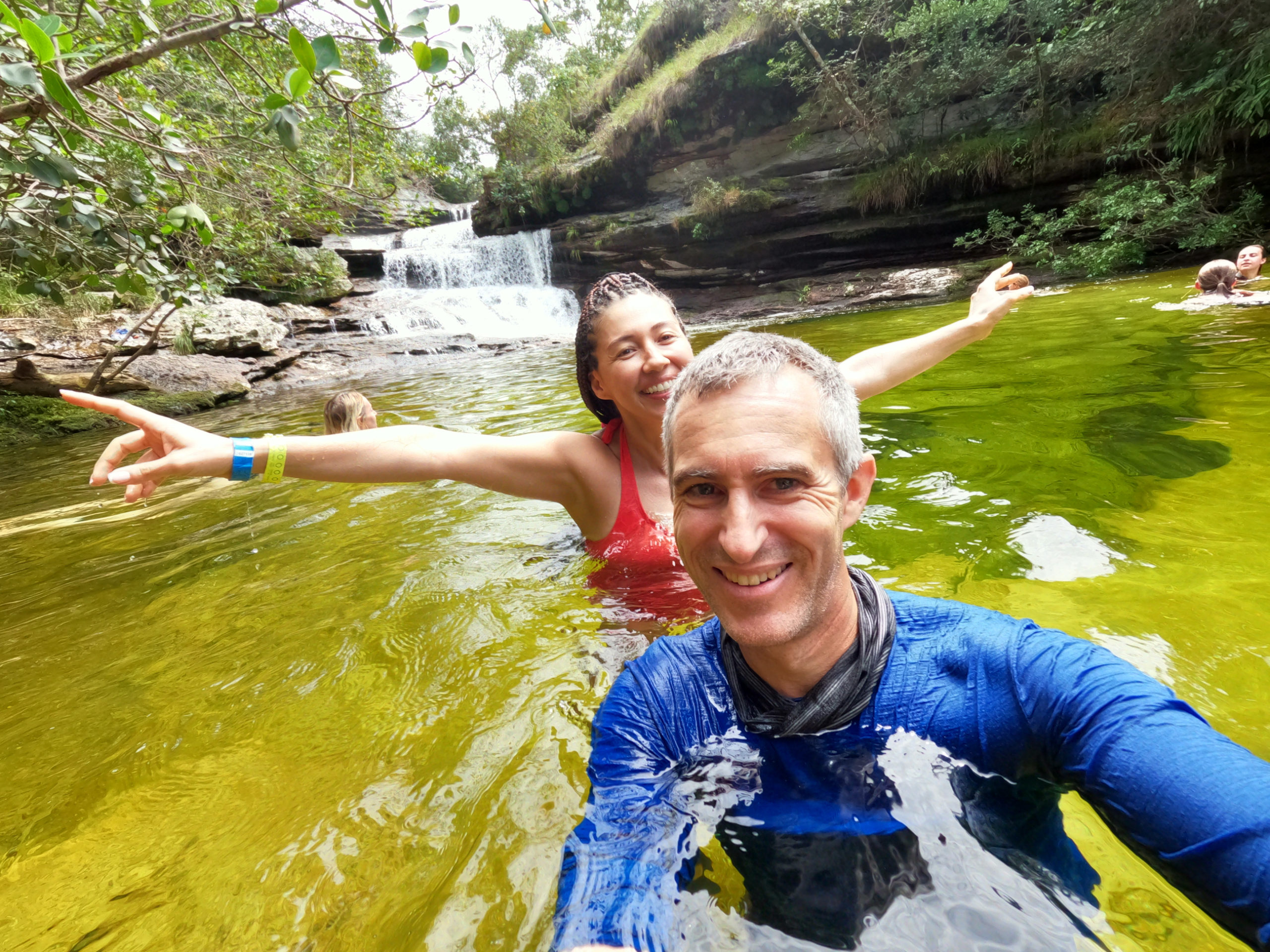
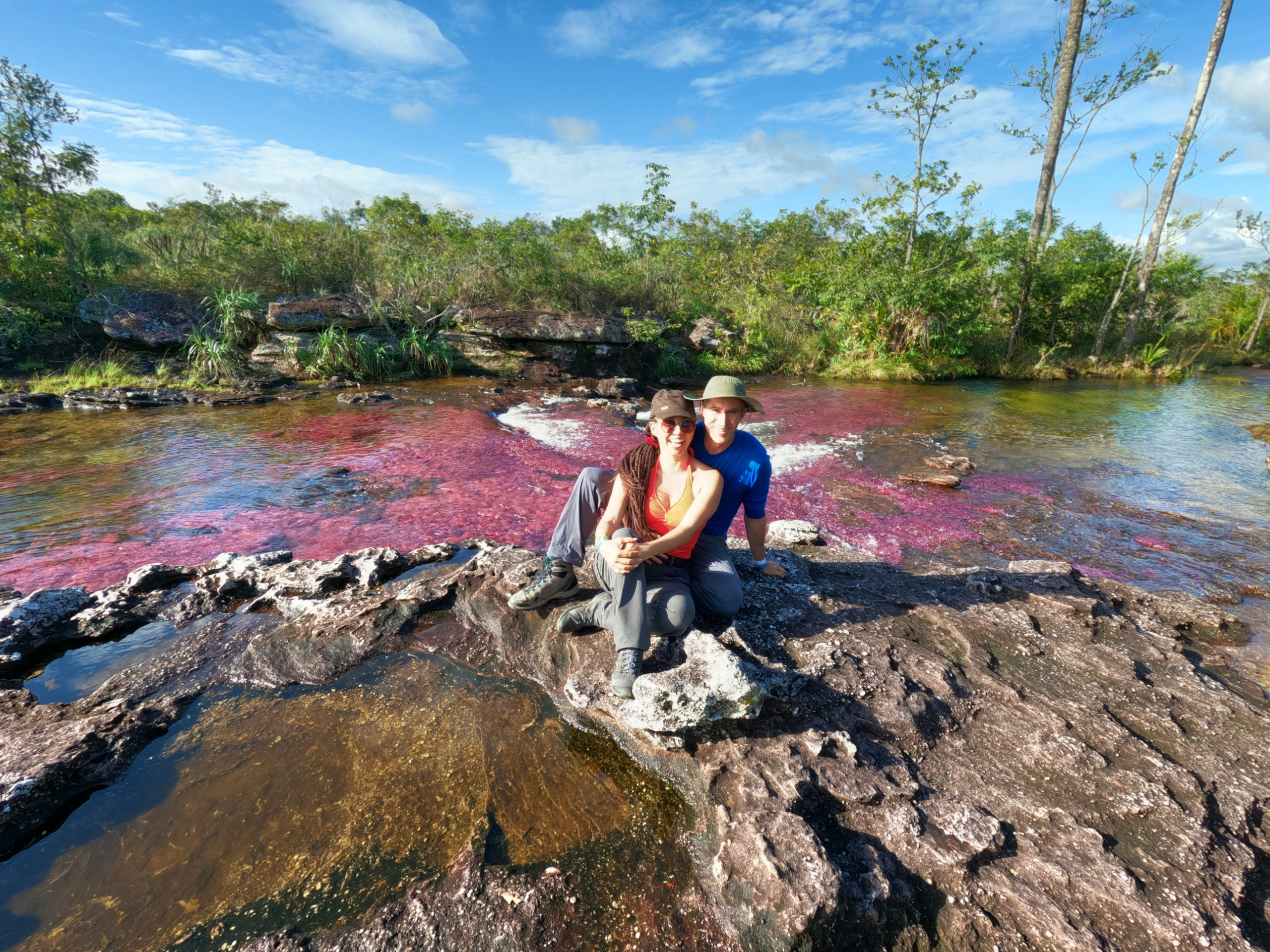
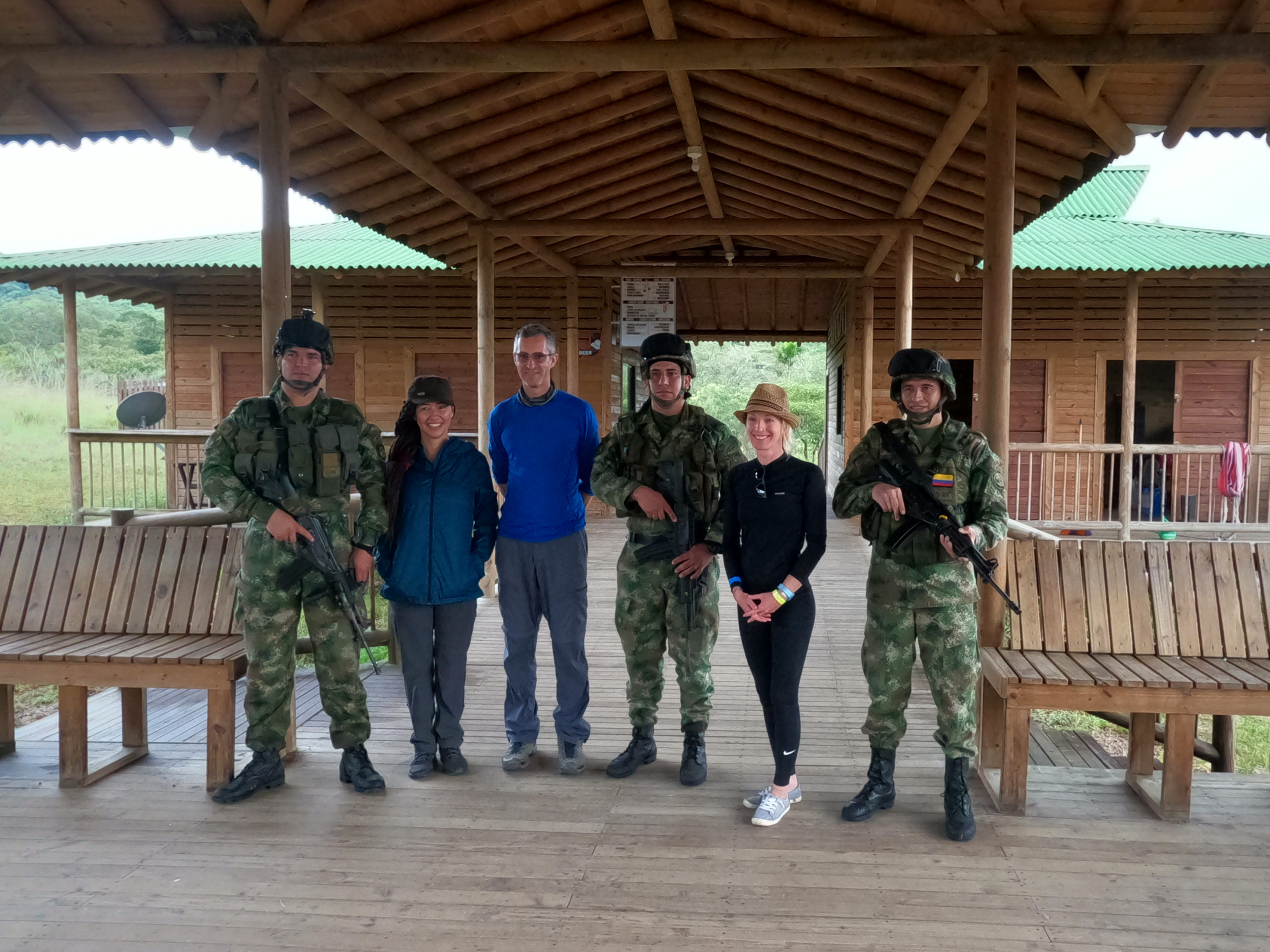
We spent the next two days in the area around the Crystal Canyon, which involved a long drive on a very rough road after travelling on the Guayabera River. Guarding the entry to the canyon were soldiers who looked intimidating, but were as friendly as everyone else we met on the trip. The red was more prevalent in this area, and we were also allowed to swim in the deeper pools away from the plant. Our guide only took off his boots before jumping in, and we saw other guides not even bothering with that. I wore my shirt and enjoyed the cooling effect of walking in wet clothes for the rest of the days.

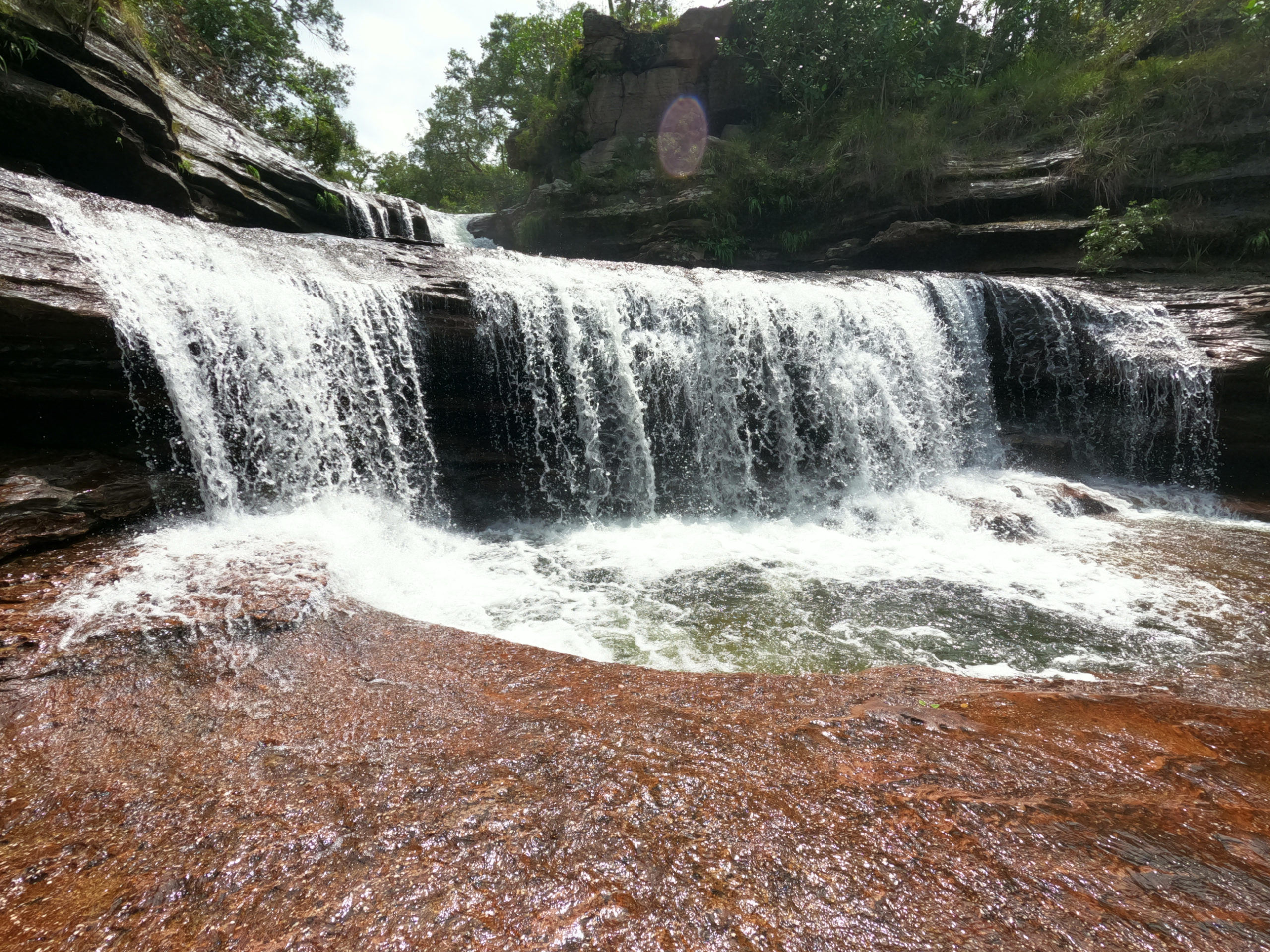
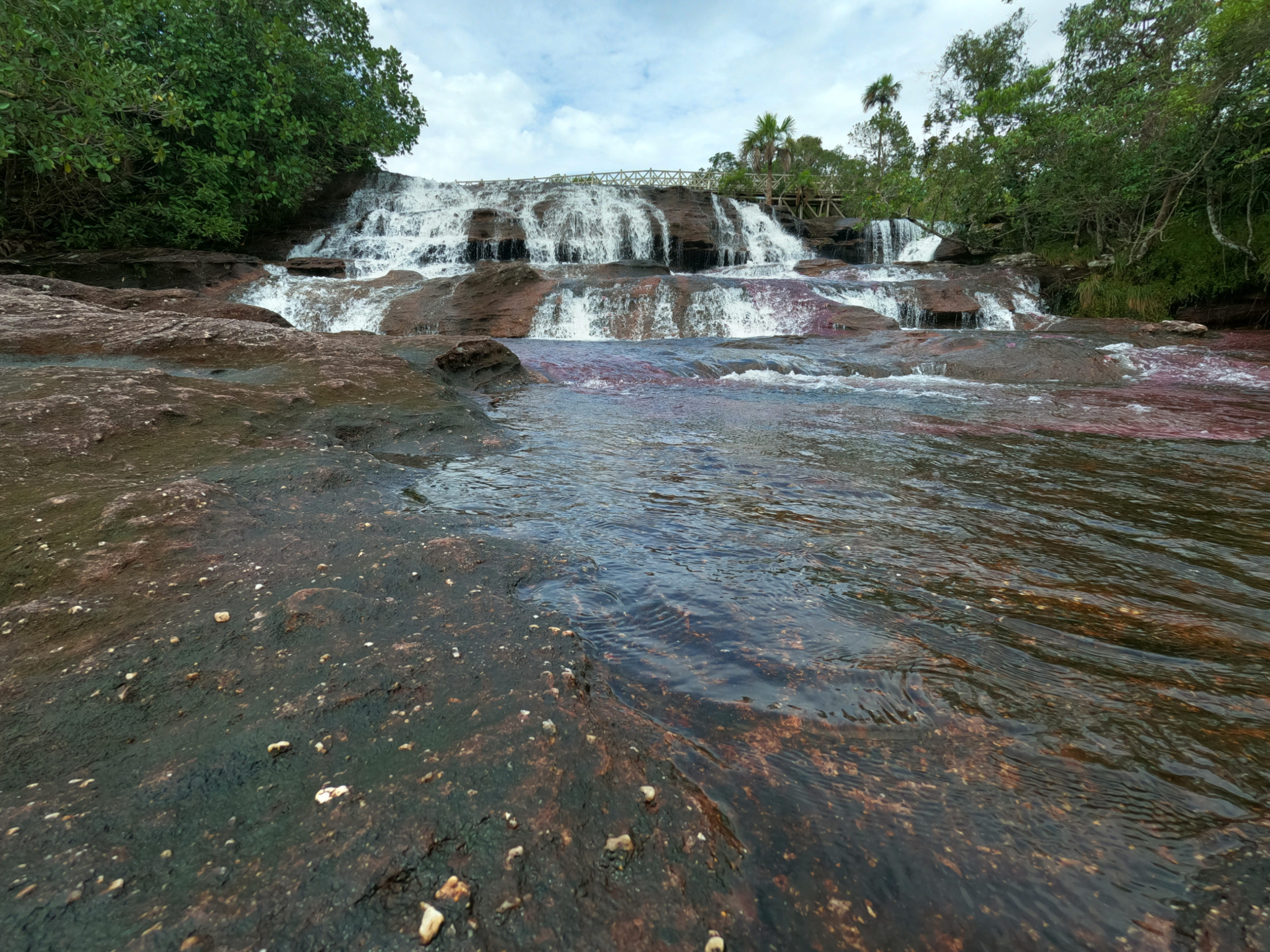
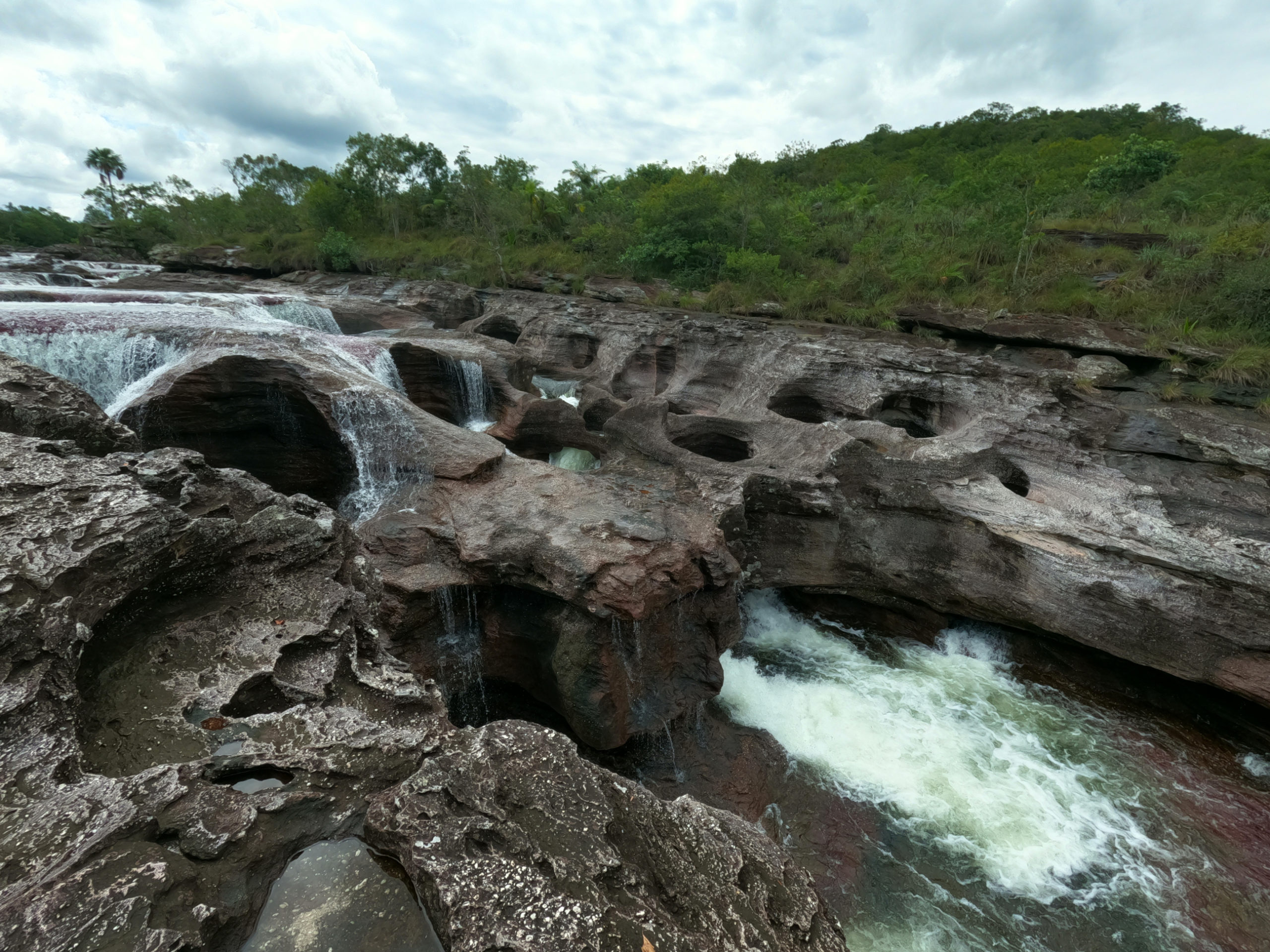
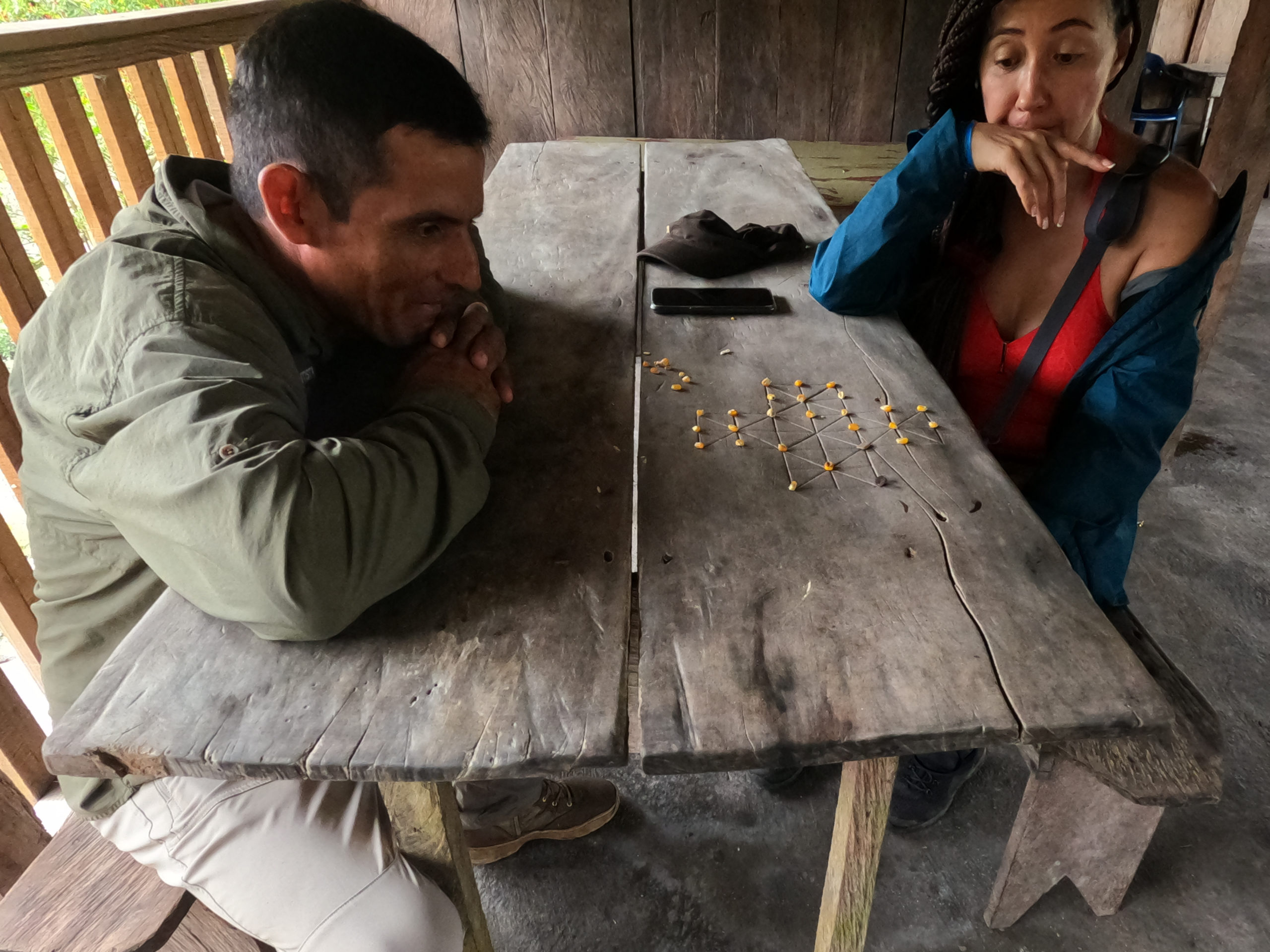
Besides the red (green in the shady areas) of the plant, the highlights were the Piano Falls, at the top of one branch of the rainbow river, and another waterfall where erosion had made Swiss cheese of the riverbed. During the trip, Sandra and the guide ended up talking about children’s games, so when we came across a ‘board’ scratched into a table at one of the rest shacks, he taught us how to play Foxes and Hens with pieces of corn and stones. Sandra quickly gave up and passed the baton to me. I didn’t fair any better, even when we switched so I had the foxes.

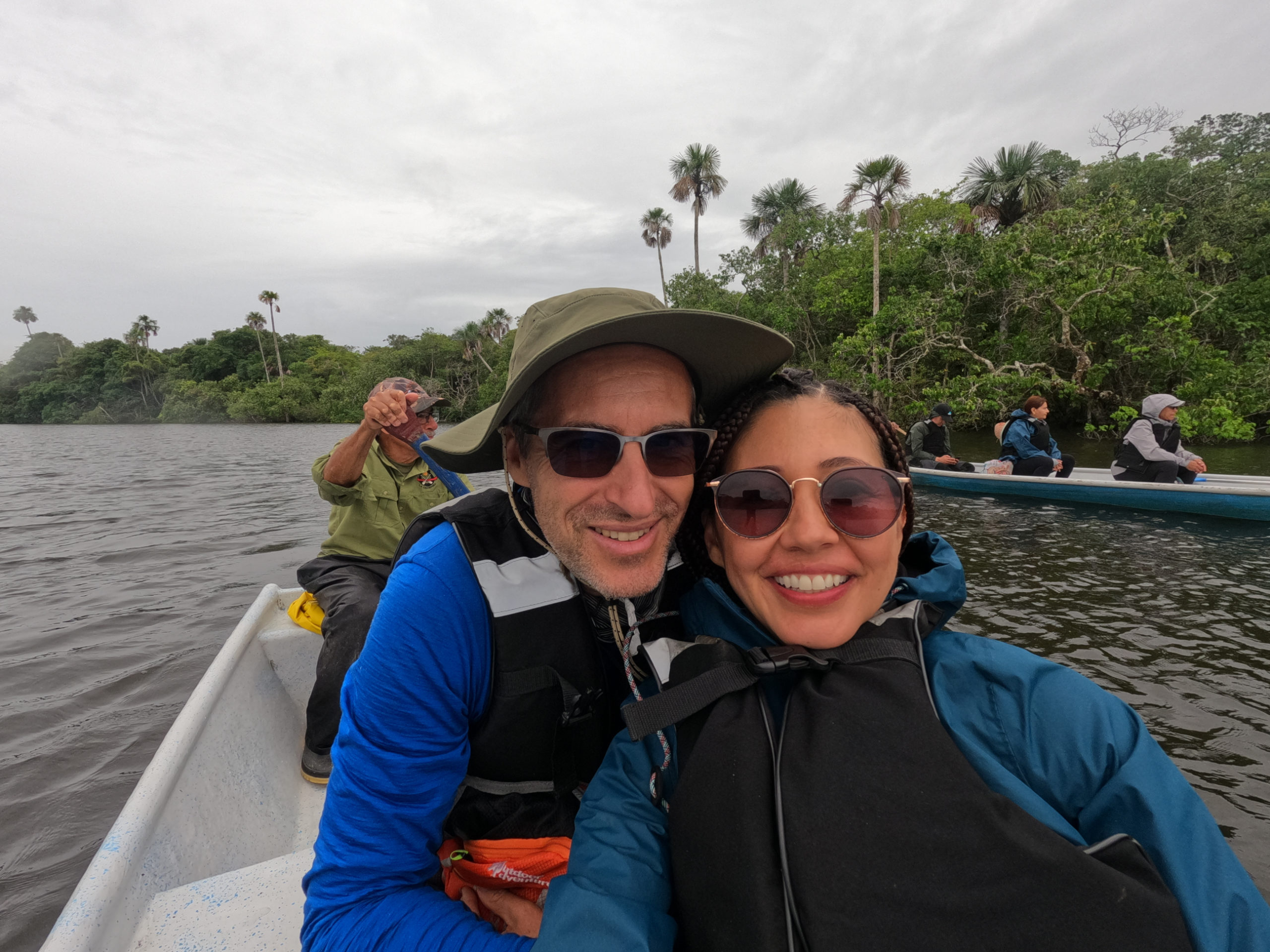
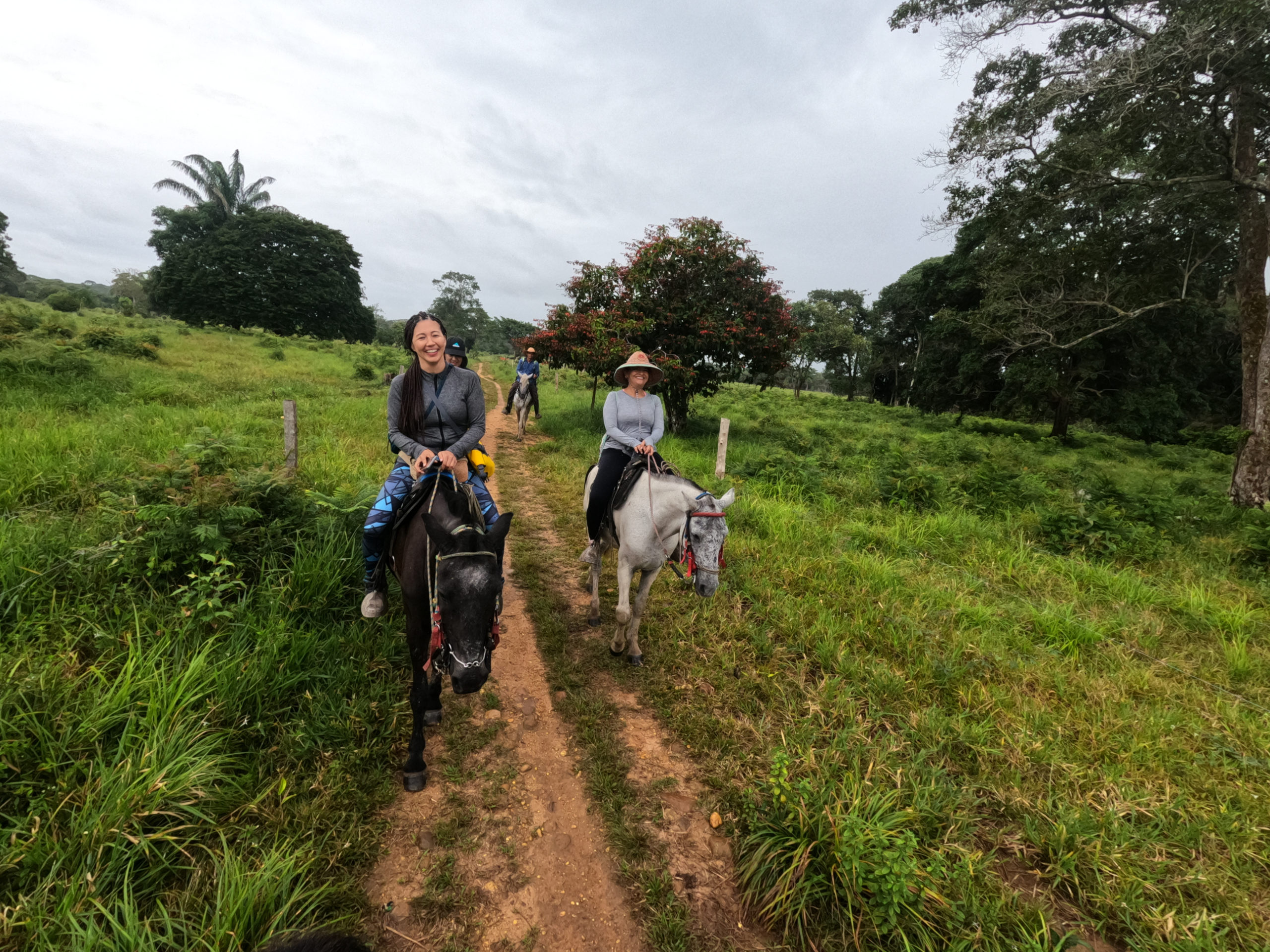
Our last day was possibly the most eventful. We went down river this time, then rode horses for half an hour among the local farms until we arrived at another rest stop, then walked on to some smaller canoes. From here we were rowed out onto the Silent Lagoon to enjoy absolute peace – aside from being told that the lagoon was full of piranhas (so no swimming).

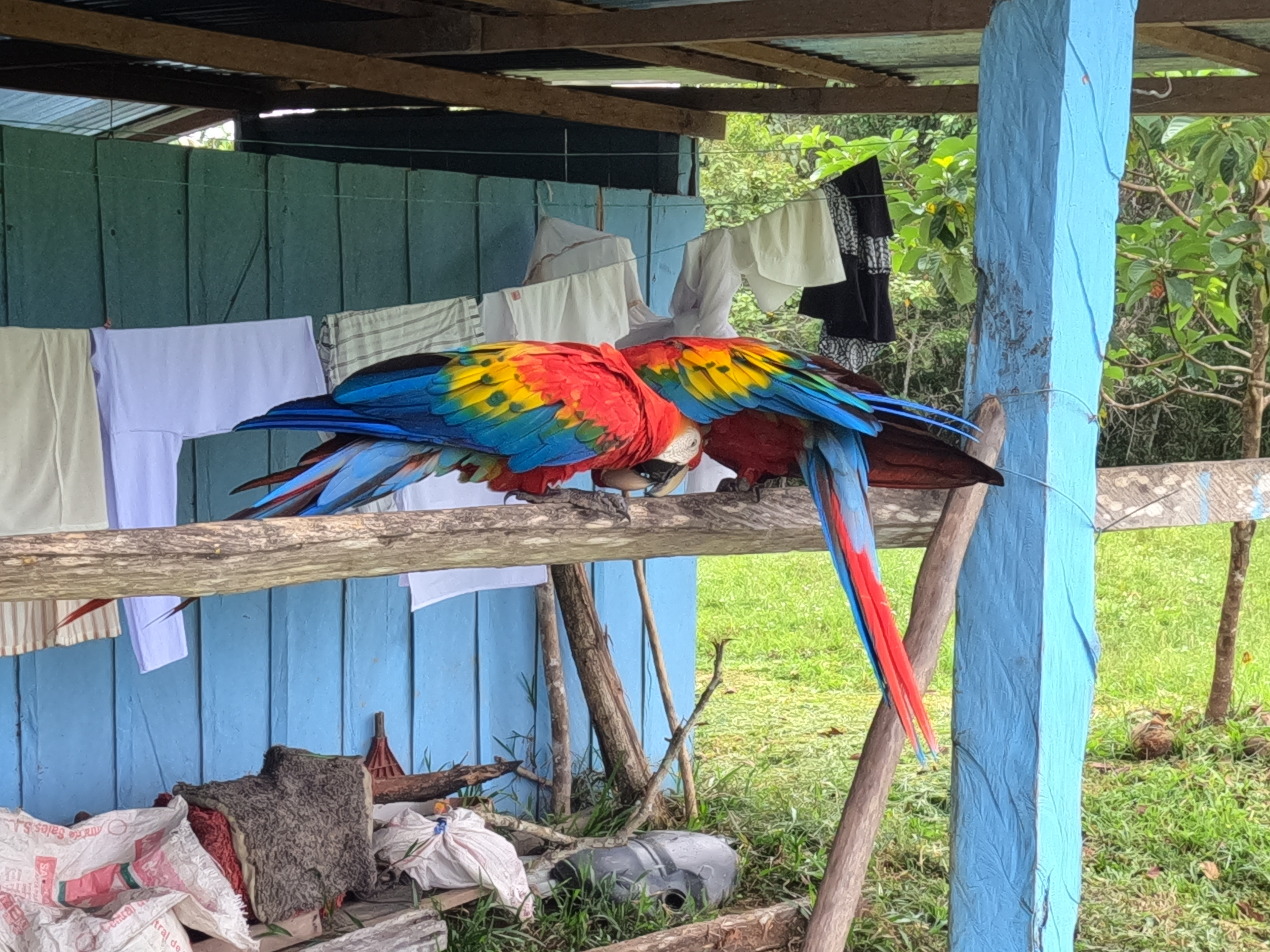
Two Bandera Guacamayas (macaws with colouring of the Colombian flag) waited for us at our lunch spot, first putting on a show of affection then later screeching at and attacking each other with everything they had. There was no obvious sign that their wings were clipped, but they never flew, even when they came to ground level to chew on our boots.

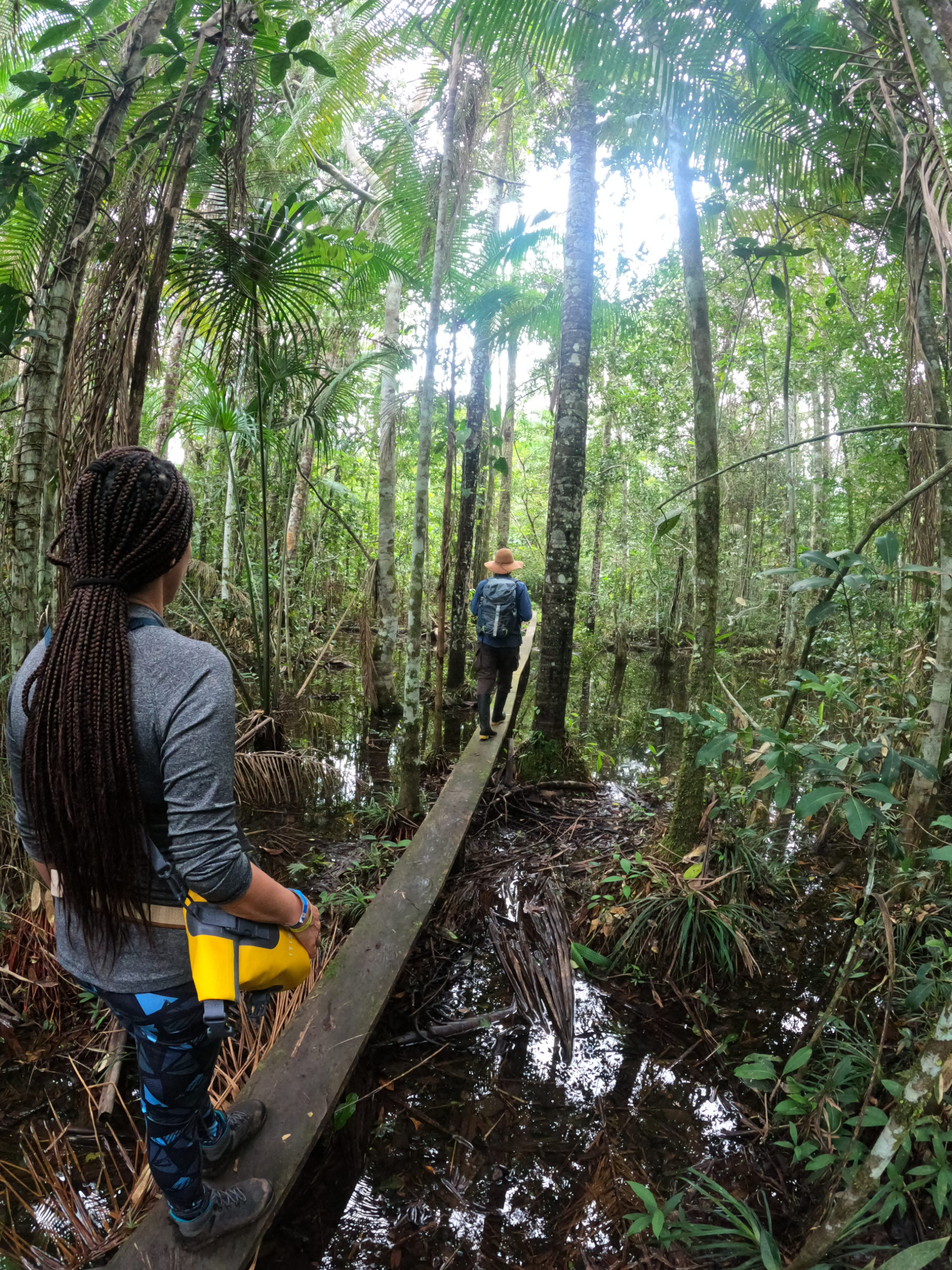
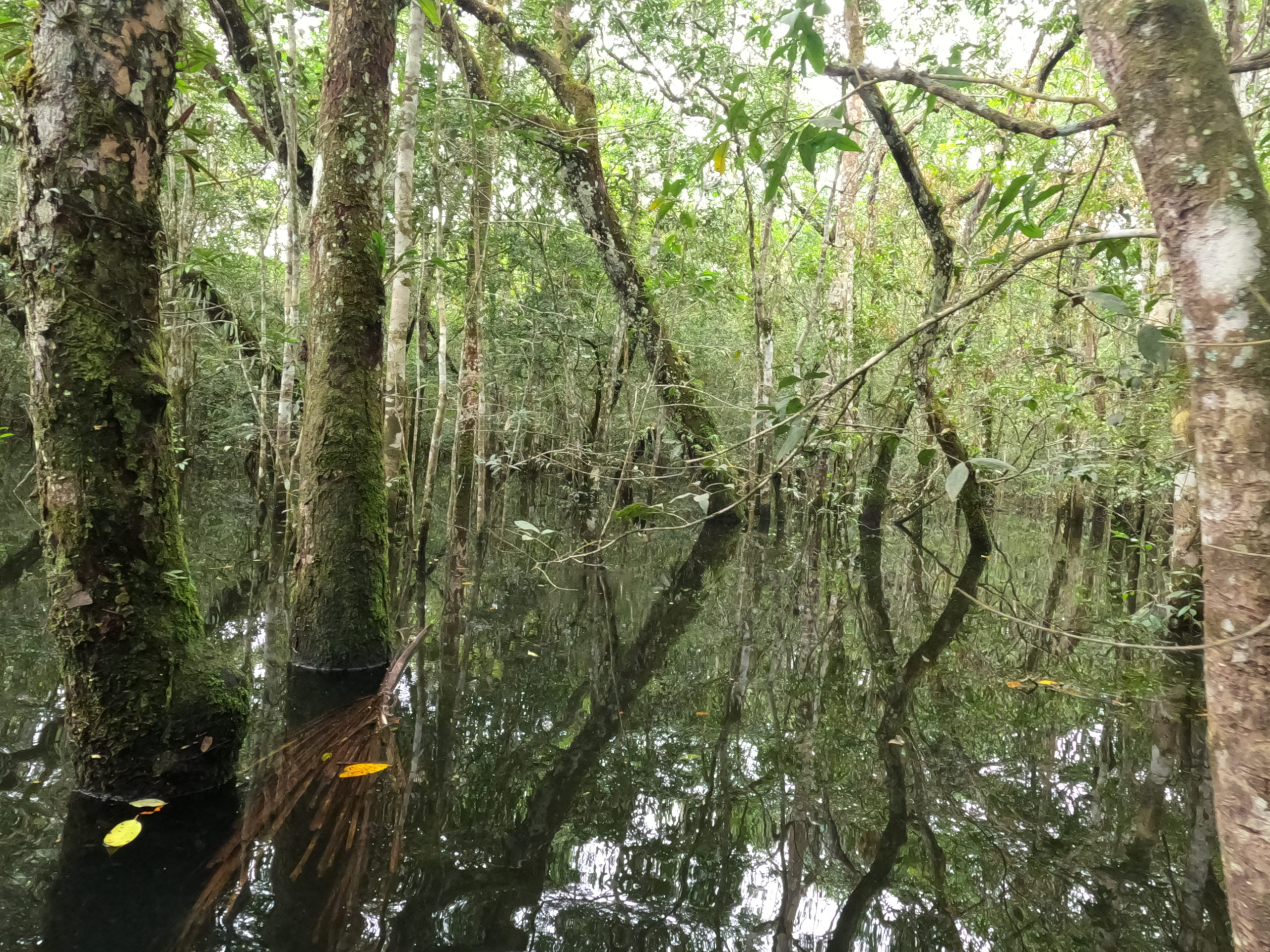
After lunch, our canoe captains took us to the edge of the lagoon so that we could walk back through a swamp reminiscient of Dagobah (Star Wars reference), finishing up at another stretch of the rainbow river. This part was filled with large fish that disappeared when I descended into the water with my four-day old clothes. I wonder if that’s worse than swimming with sunscreen.

My horse (nicknamed ‘loco’ or ‘crazy’) lived up to his name on the way back, frequently wandering aimlessly away from the trail, which made the trip more enjoyable for me than the usual riding-a-sofa trail rides. At one point I nudged him to speed up so I could ride next to Sandra and spent the next ten minutes fighting to keep him to a walk.

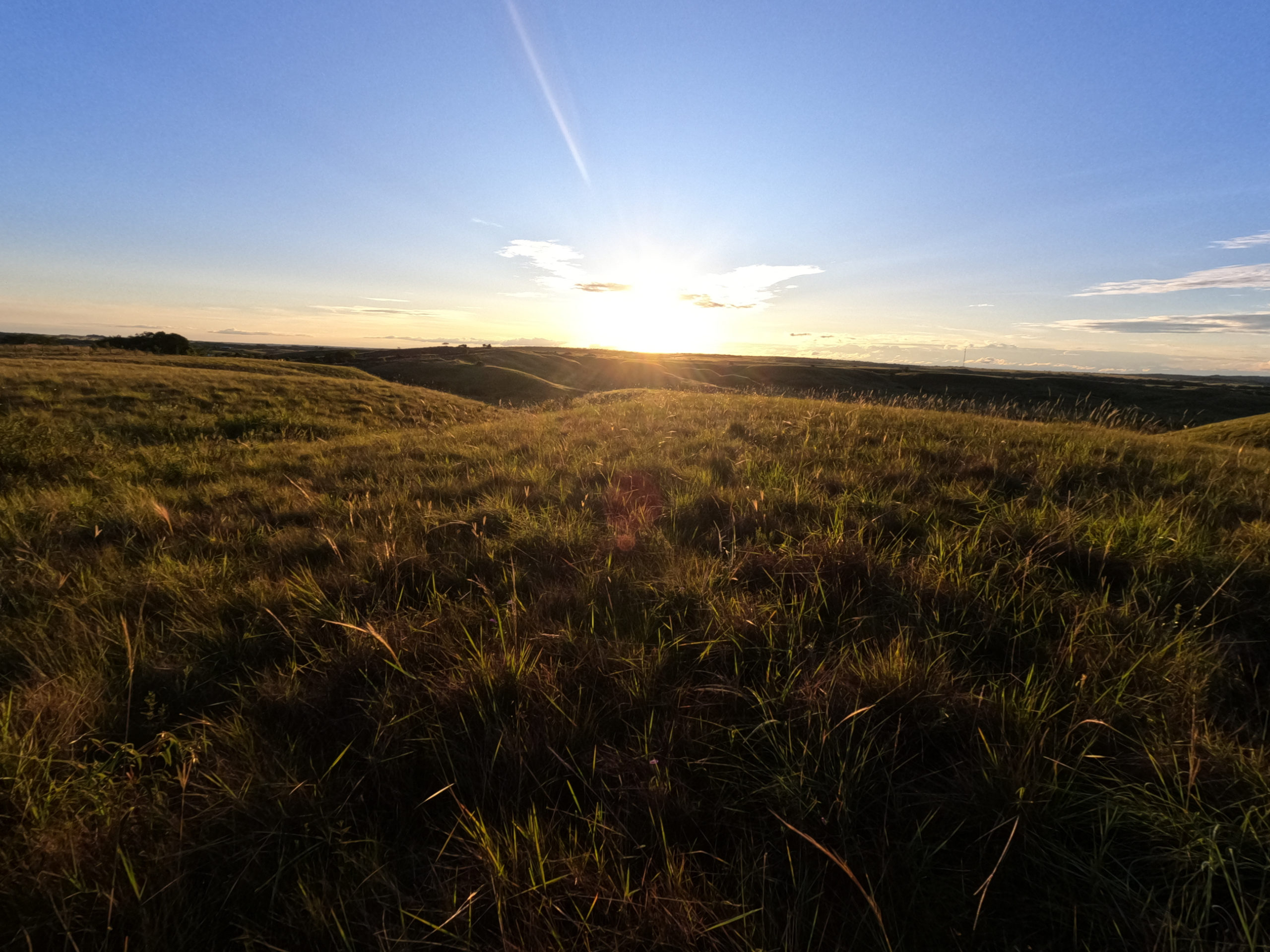
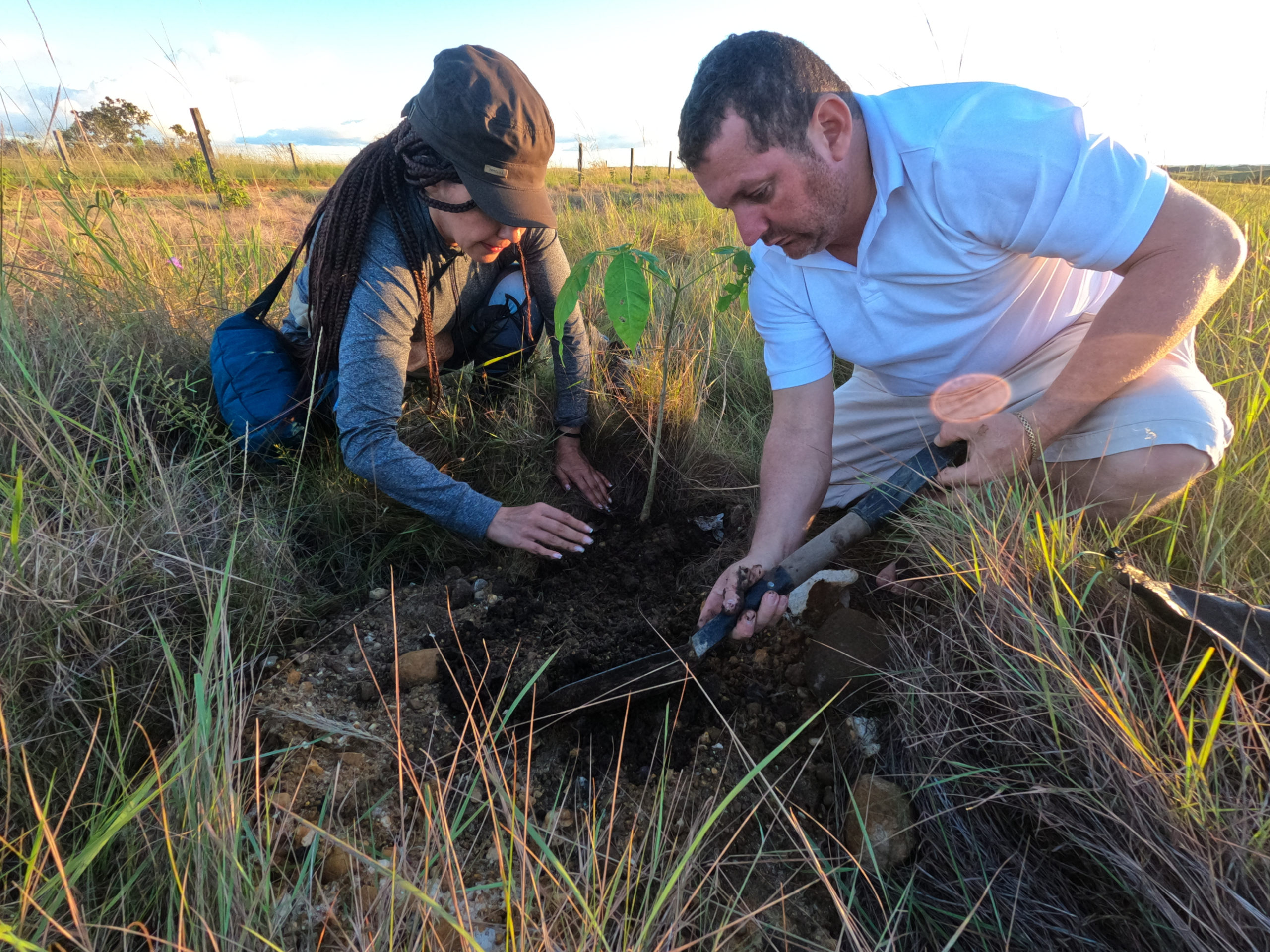
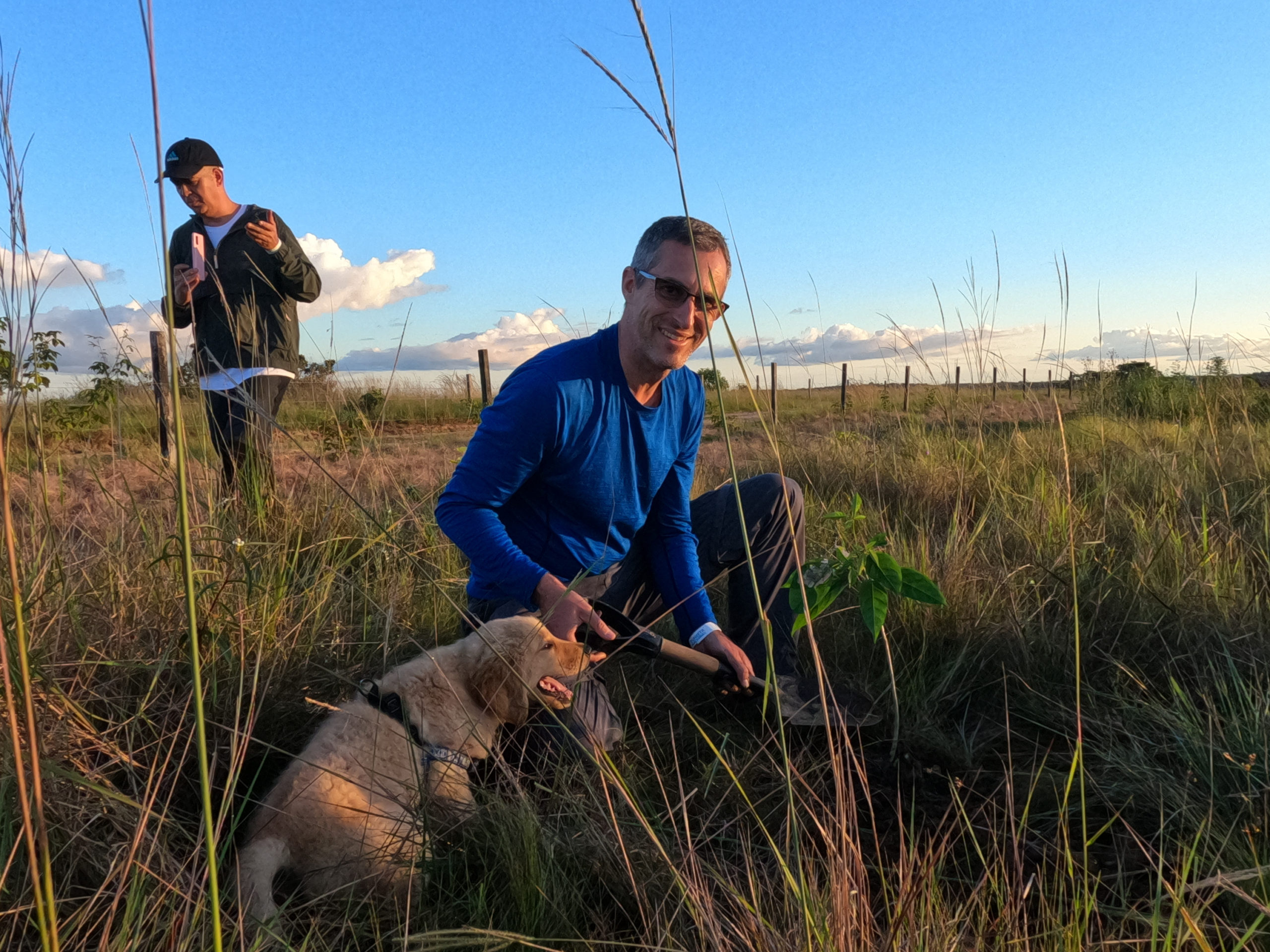
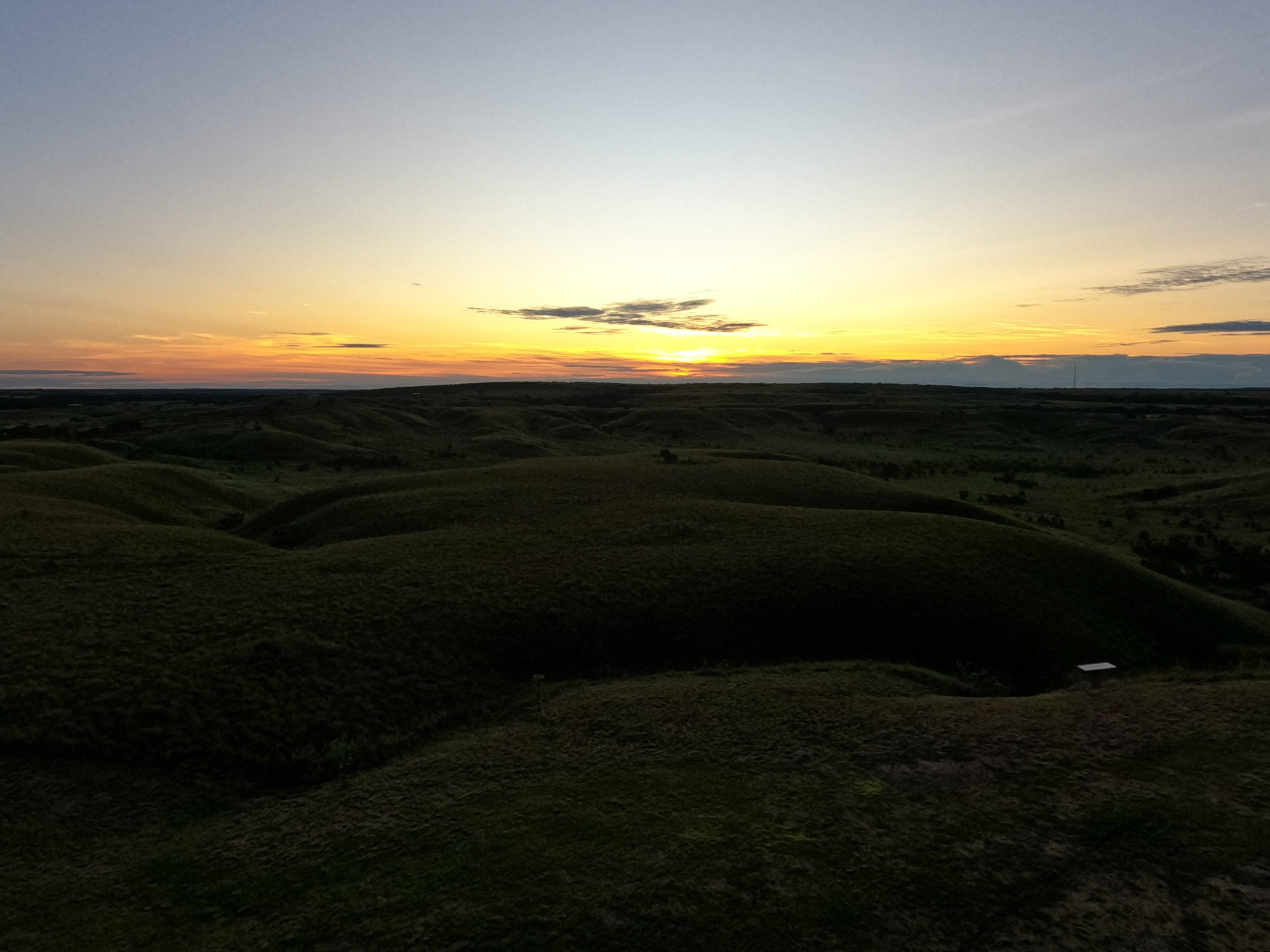
Back in La Macarena for the final evening, our tour manager turned up to take us to a lookout in the baren hills above the town. We were invited to plant a new tree each as part of a reforestation process, then climbed the tower to watch the sun set, spreading a burnt orange across the beautiful horizon.

We were scheduled to return to the tower to see the sunrise the next morning, but our flight was moved forward so we took our tired bodies and revitalised minds from the hotel directly to the airport instead. It was definitely a highlight of my time in Colombia.
Villa de Leyva

[pgc_simply_gallery id="960"]

Sandra has done a great job of finding interesting ways to spend our anniversary, and this year she wanted to return to her favourite Colombian town. Villay de Leyva is about four hours from Bogota and about twice as far from Medellin, so we flew through Bogota to spend some time with her family.

We arrived late on the first day and spent some time wandering around town and getting a feel for the activities on offer. Seeing the Fossil Museum, which had been built over the discovered kronosaurus fossil was one of the main reasons for going, and the museum didn’t disappoint. The fossil has been left where it was, but the ground around it has been covered to provide better support after the archeologists exposed the full skeleton. It also held many other fossils collected throughout Colombia and some amazing murals.

We spent a day in Raquira, which is deservedly known for its murals, but unfortunately this has attracted huge numbers of tourists which has encouraged a plethora of souvenir shops. But the people are friendly. At one point a police officer even stopped to take a photo for us, suggesting a better angle for the photo. It was only my second interaction with the police in Colombia, and much better than the first, when they stopped me on my way to the supermarket and searched me and my bag determined to find drugs.

Another ‘must do’ that we enjoyed was the Pozos Azules (blue wells), which are seven ponds near Villa de Leyva. Sulfur, selenium and copper from the soil have given their water strong colours that are well worth the walk to see. The rain came down while we were walking to the sixth, but thankfully the worst held off until we reached a shelter at the seventh and final pond.
Sandra might say that the highlight of the trip was the chocolate museum, which was more a shop and a restaurant showcasing locally produced chocolate. ‘Grandma’s hot chocolate’, which included spices was a winner, as was the enormous piece of black forest cake. The larger-than-life Charlie outside and the chocolate zen garden were perhaps more interesting even than the delicacies in the shop.

My highlight was definitely the sky bikes. It was only one of the activities in a nearby adventure park, and probably the least frightening, but it stood out for its uniqueness. We started on the five bridges, and Sandra almost gave up, but pushed through her fear and enjoyed the last few. Then we moved to the sky bikes before doing a flying fox and a superman run that were great fun. The last was a tarzan swing from about twelve metres up. Being told to ‘take a step forward’ into empty air was a bit much, but there was no turning back at that point. In the video you can hear me stifling a squeal.

We also enjoyed a number of dinners with live music and the scenery surrounding the colonial town was spectacular. If we didn’t have the Crystal Canyon to look forward to, we might not have come home.

Galapagos

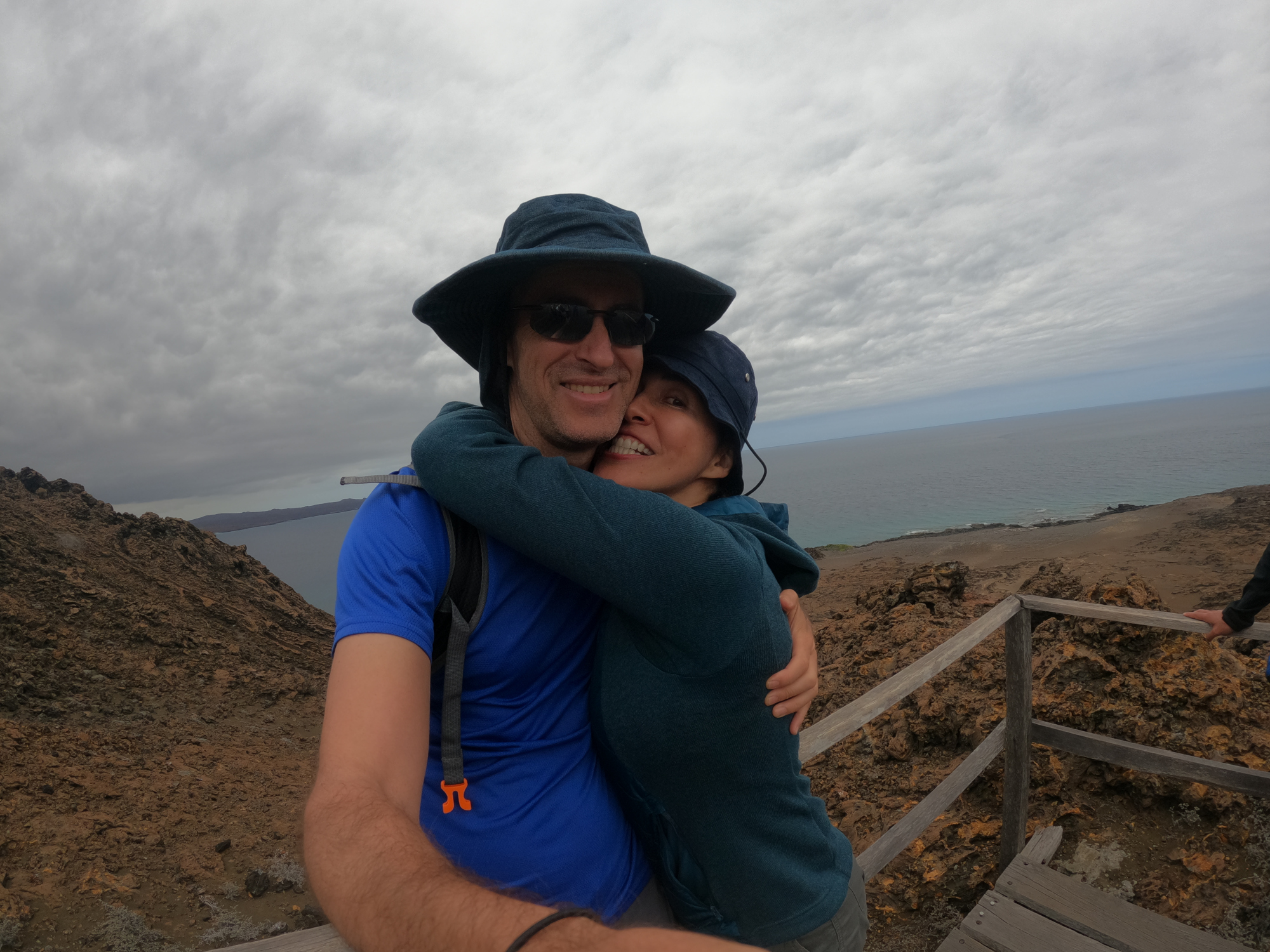
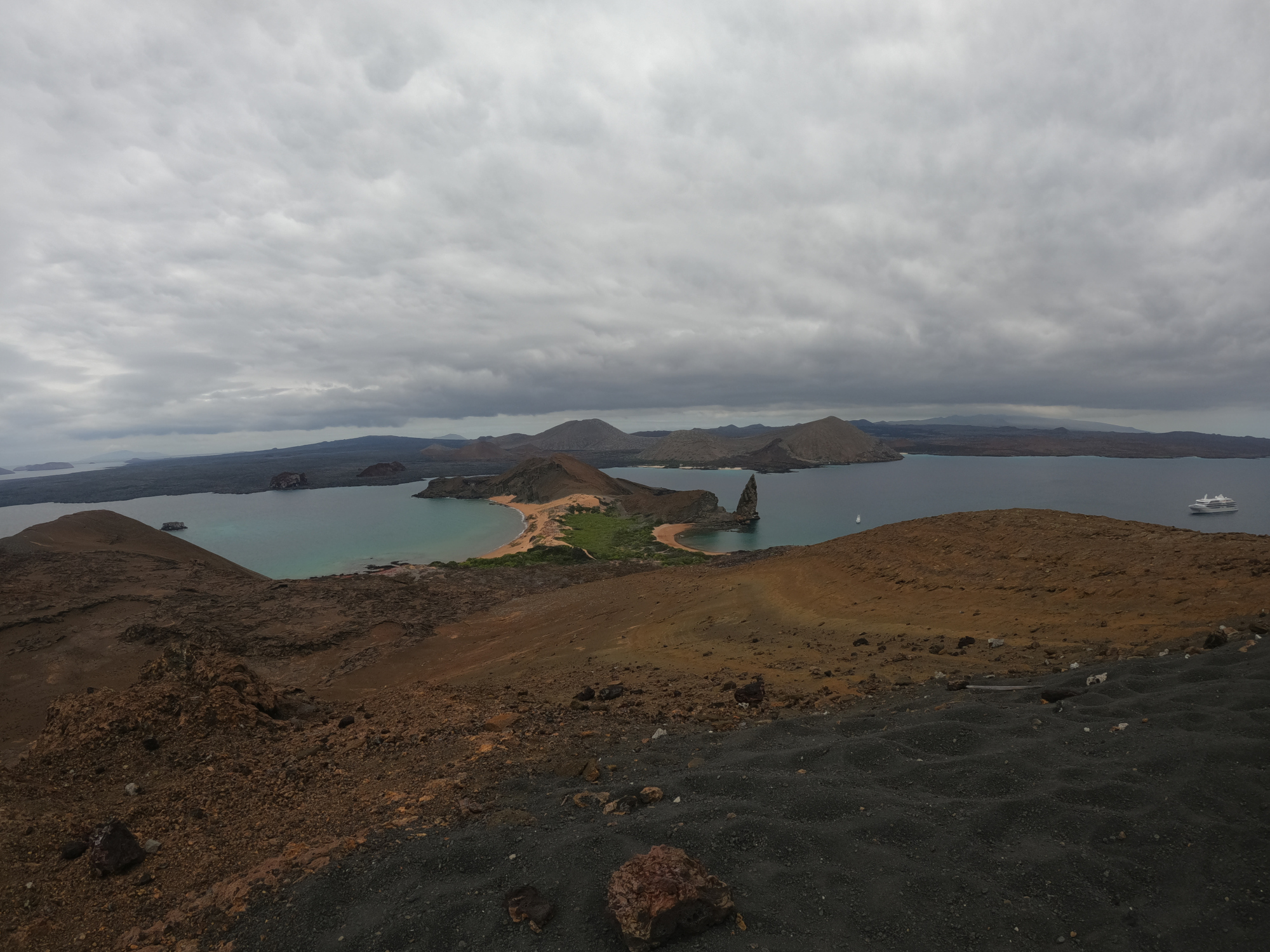
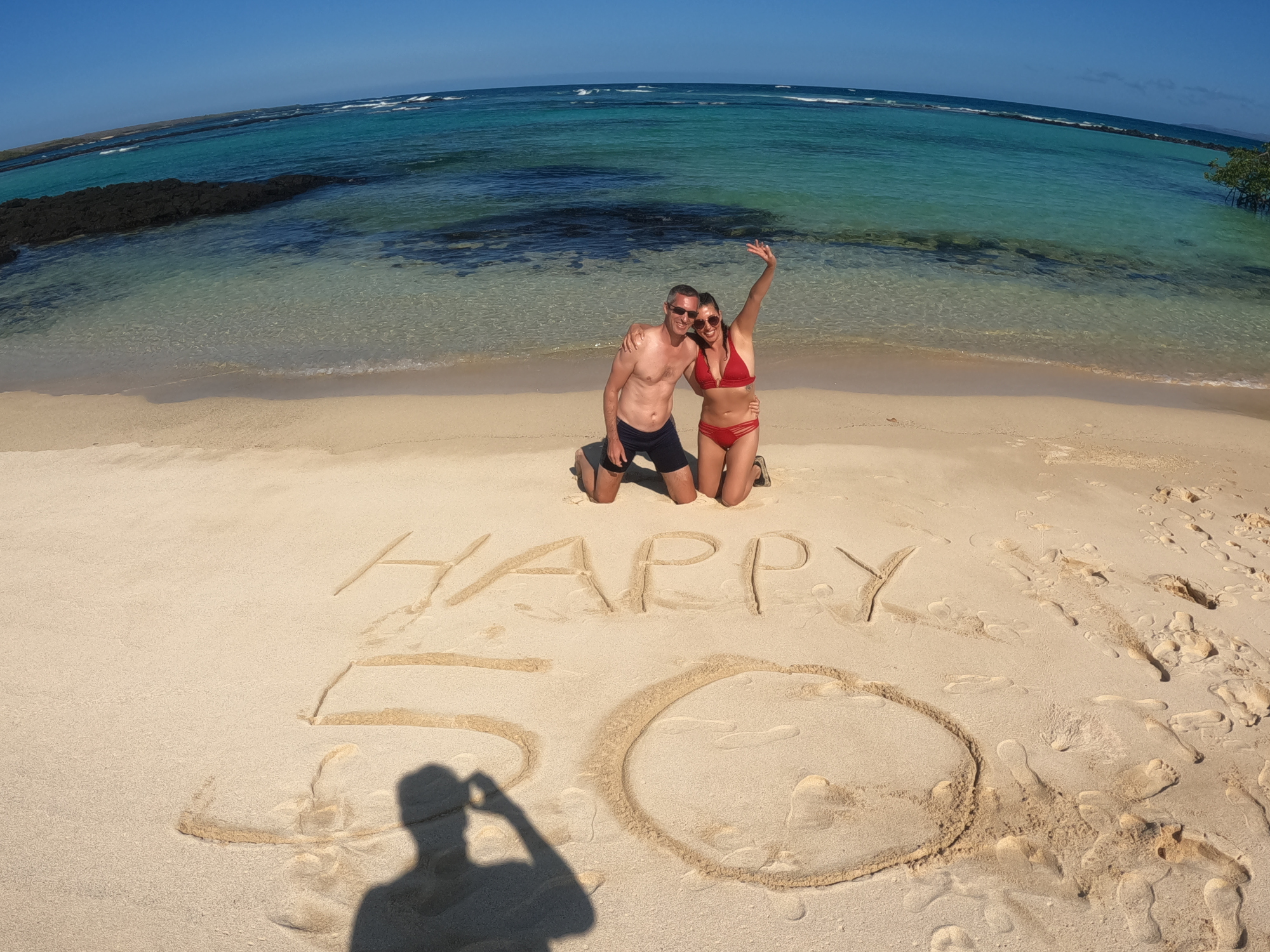
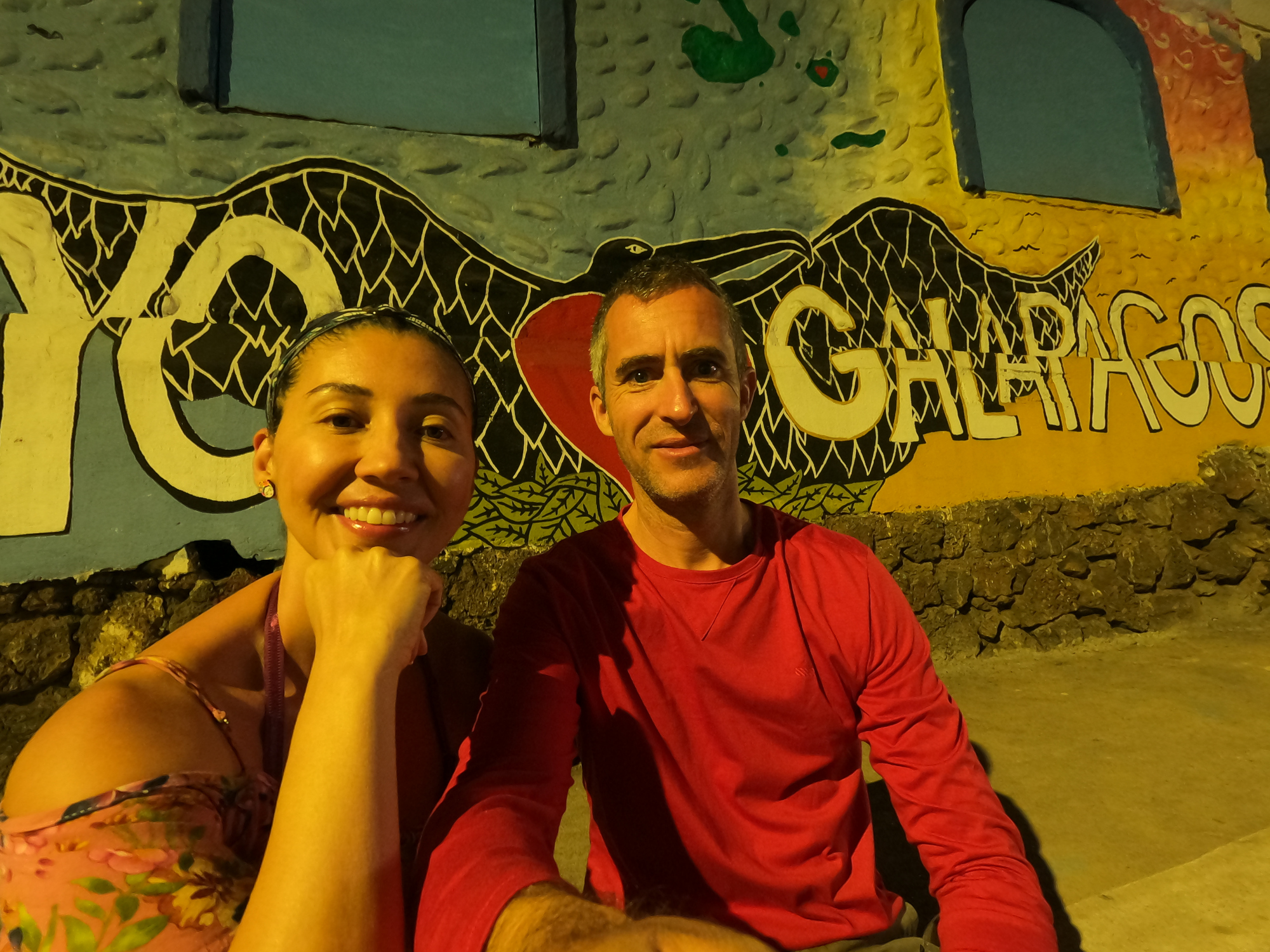
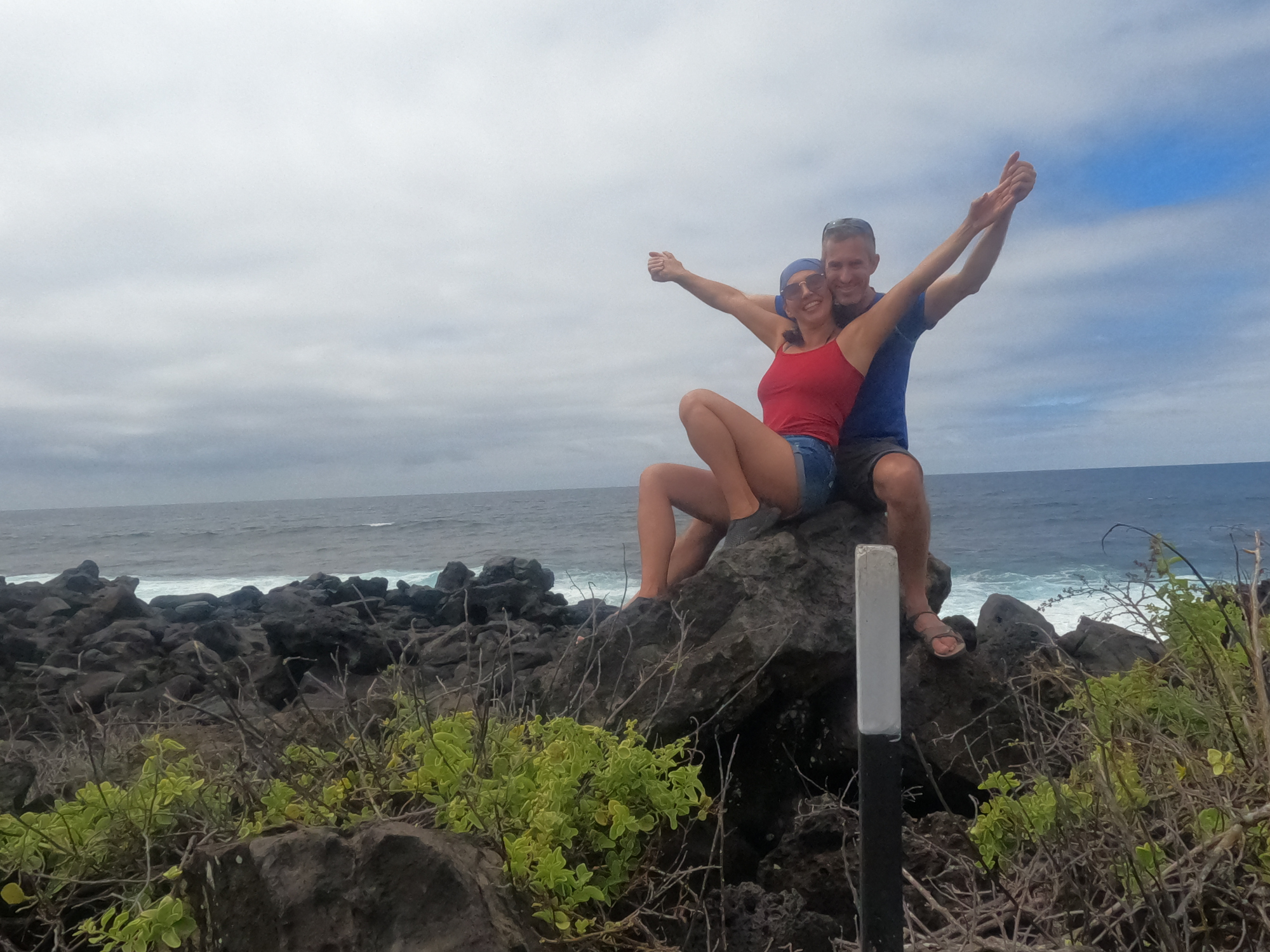
We’d been hoping to return to Australia for the last few months of this year, but with the borders still closed, that wasn’t an option. Instead, we looked around for a place we’d like to visit that was ready to start rebuilding their tourism industry. We were delighted to find that Galapagos was waiting for us.

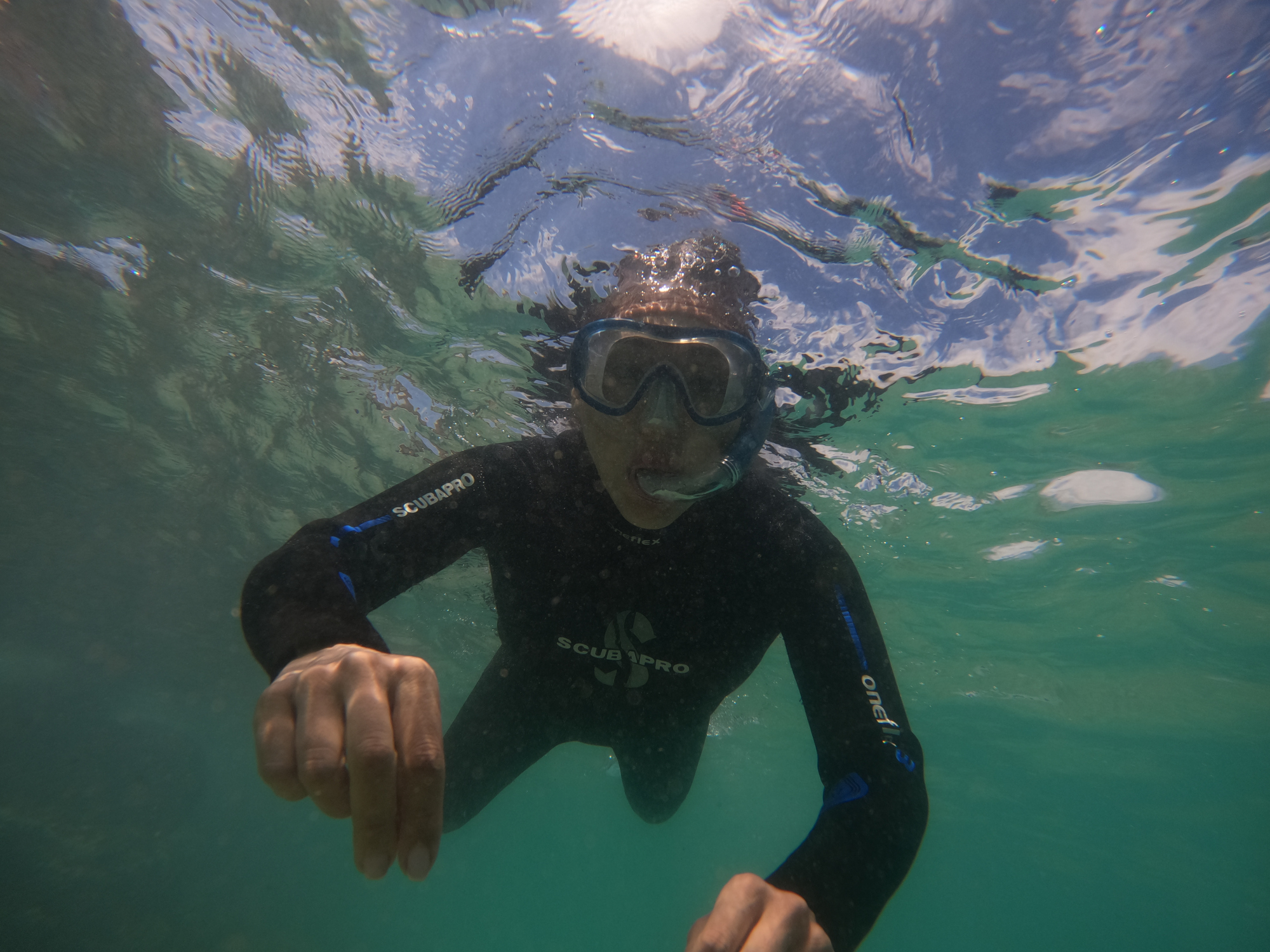
Sandra did some research and found an excellent blog post that gave us all the information we needed to plan our trip. We settled on visiting the three main islands (Santa Cruz, Isabela and San Cristobal) and five boat tours. One of those tours wasn’t possible, but four should be enough. All that remained then was to buy some snorkelling gear and an underwater camera. Oh, and to learn how to use it.

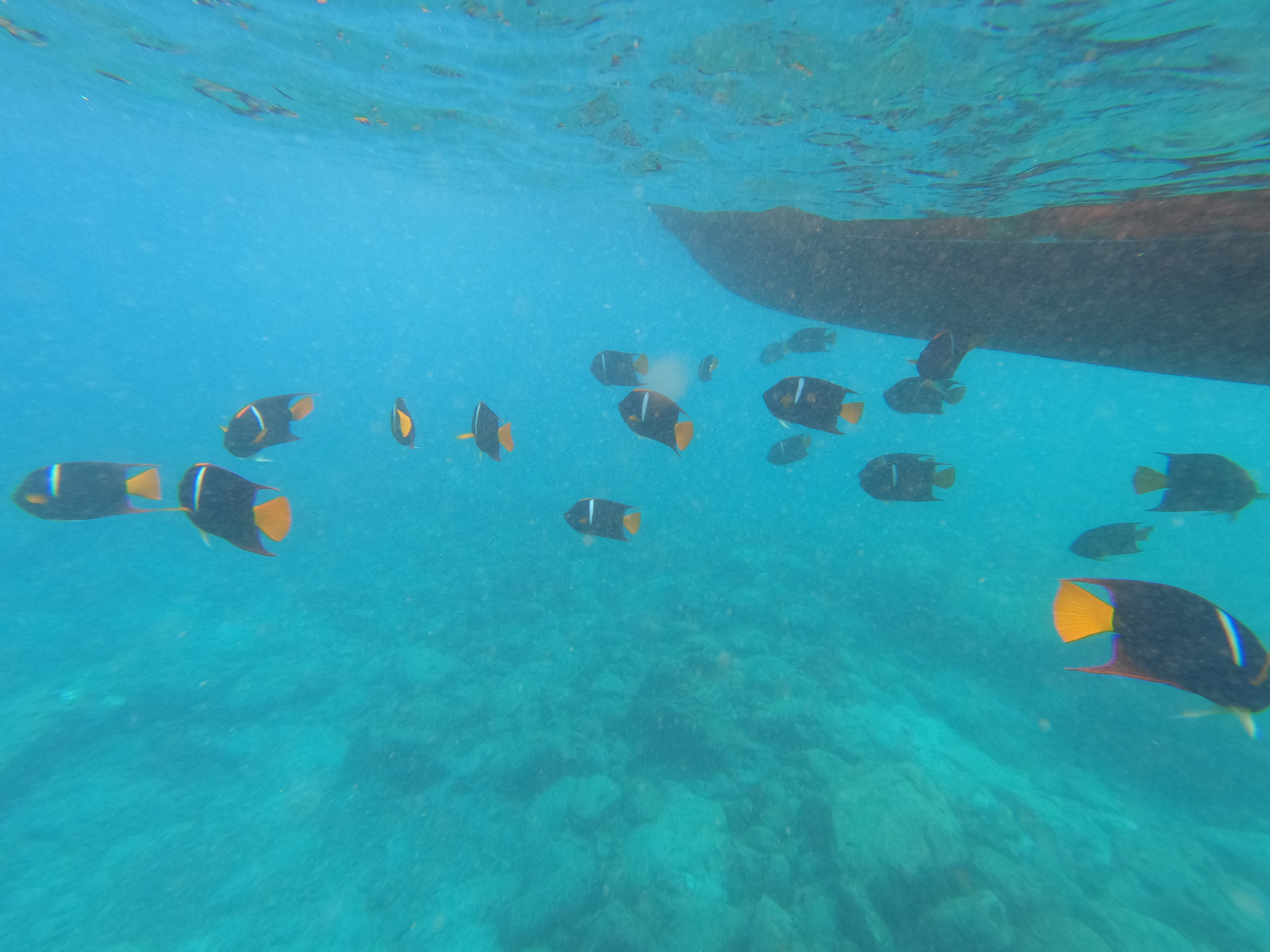
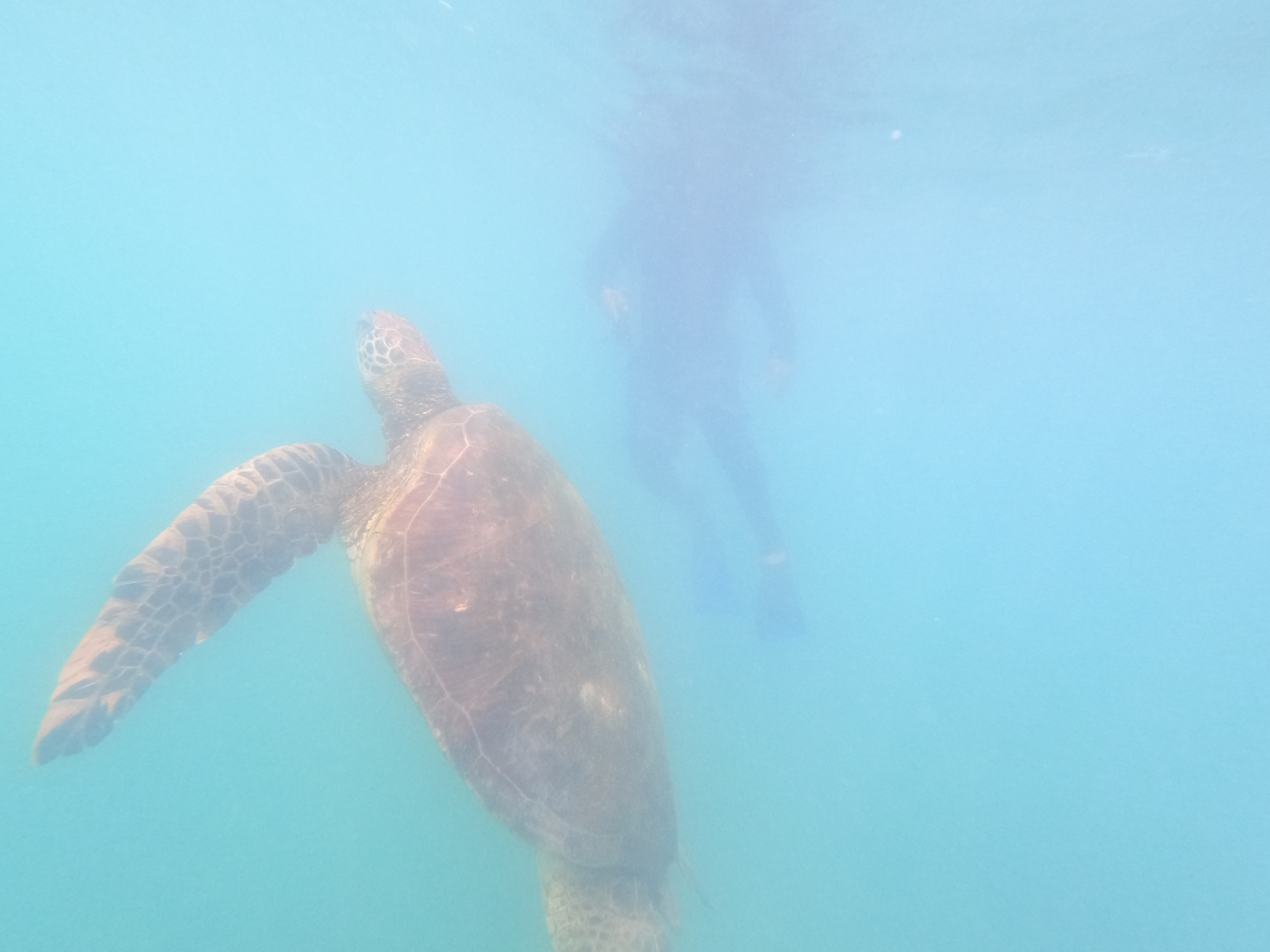
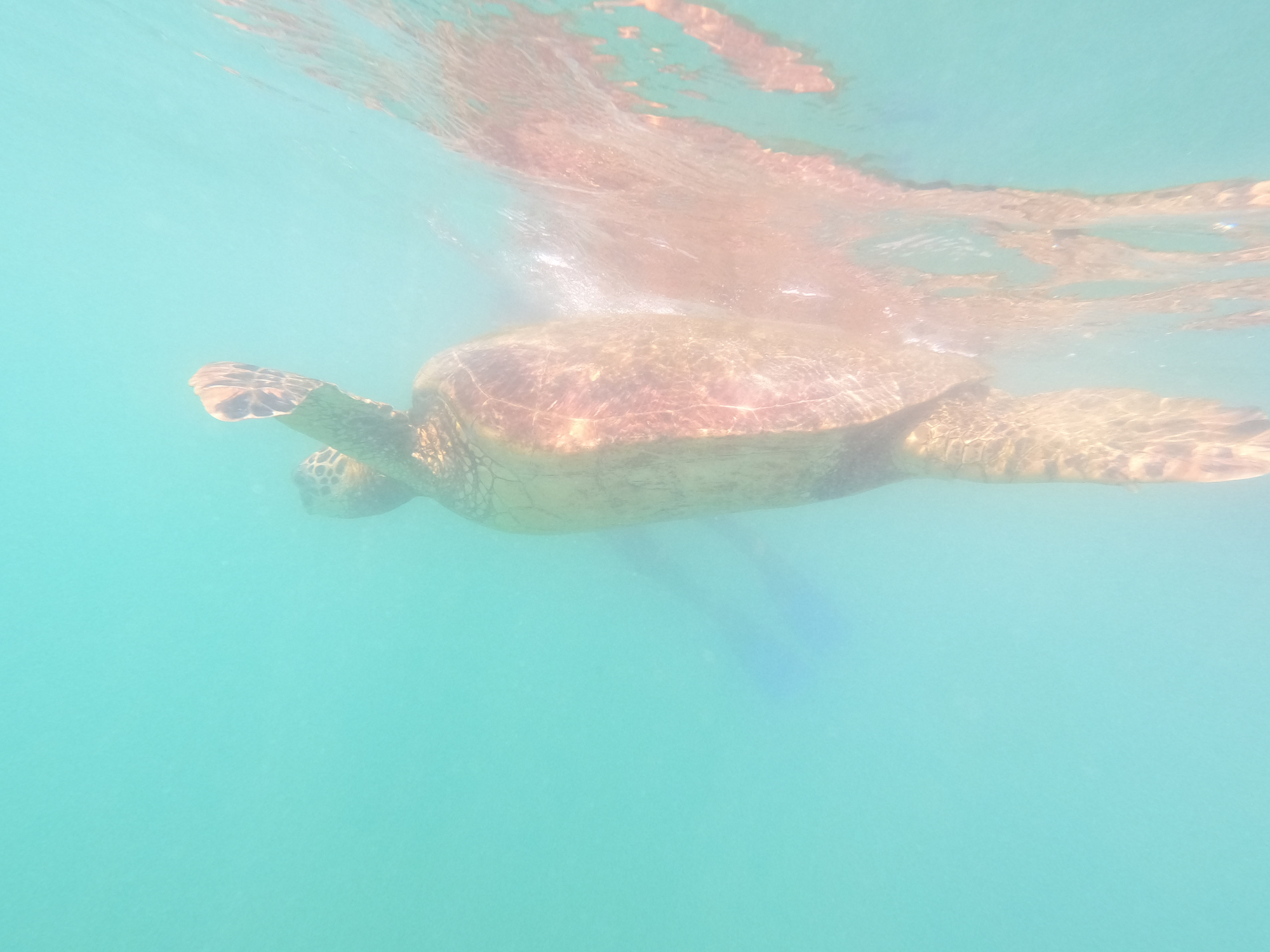
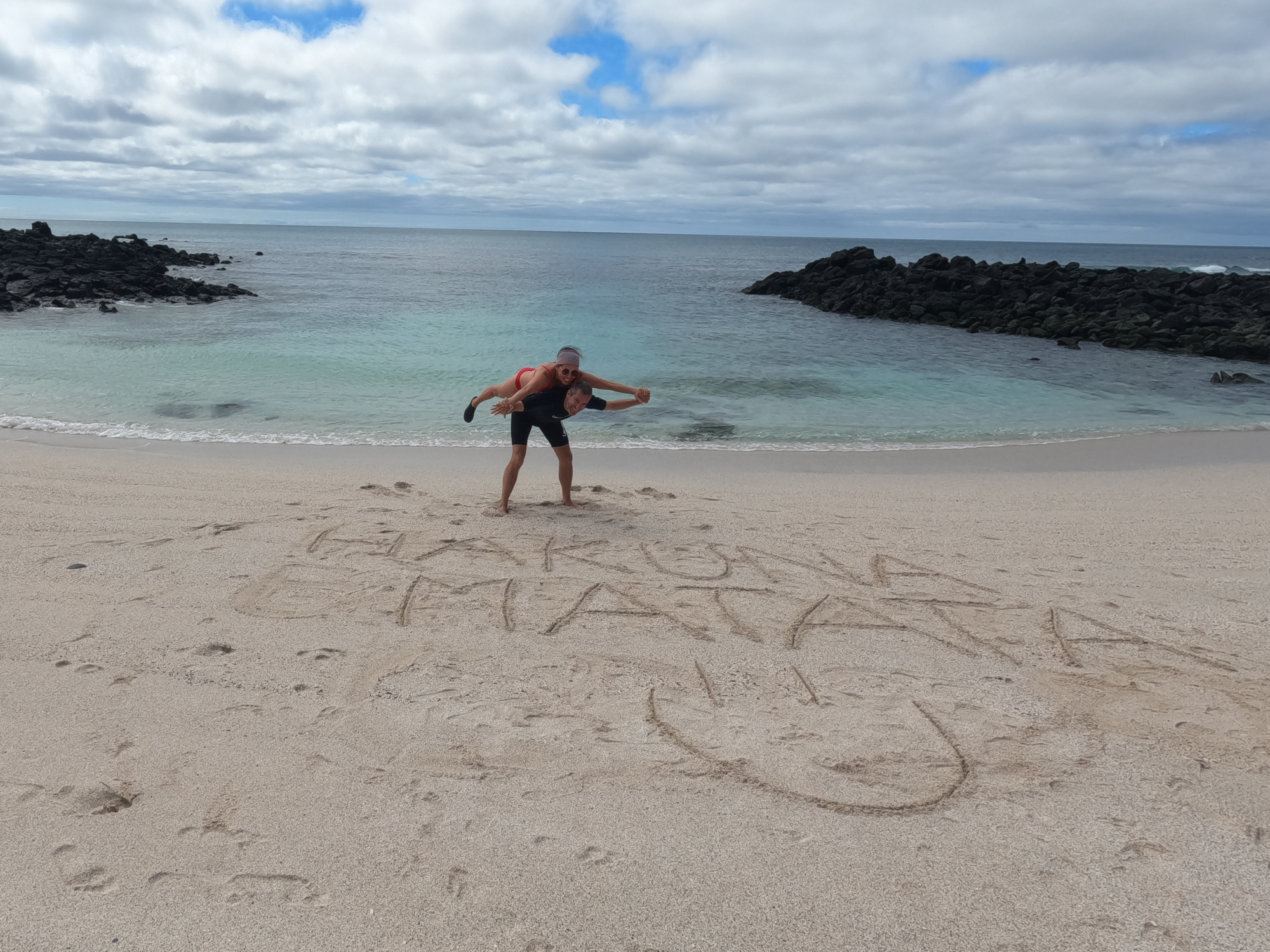
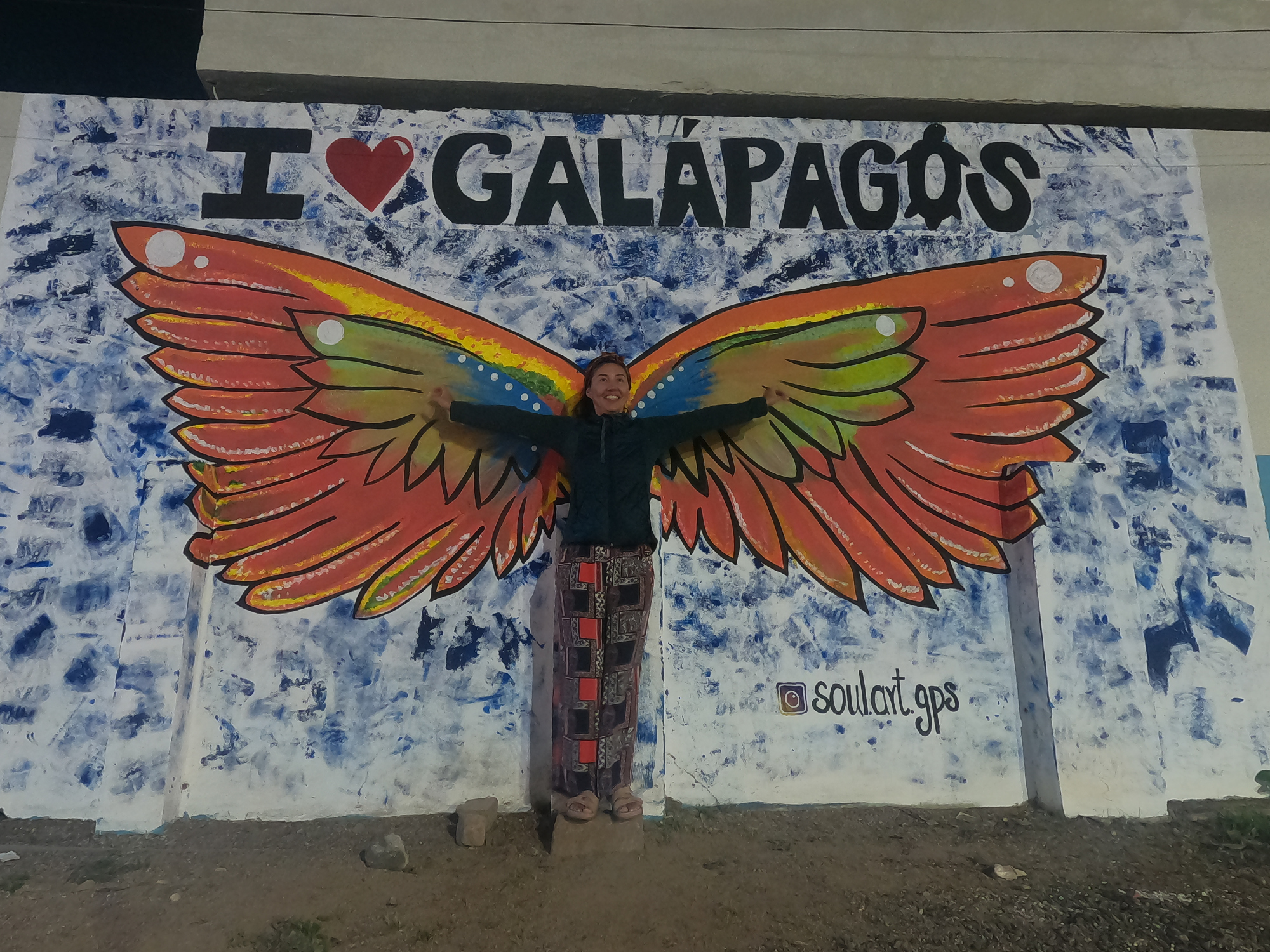
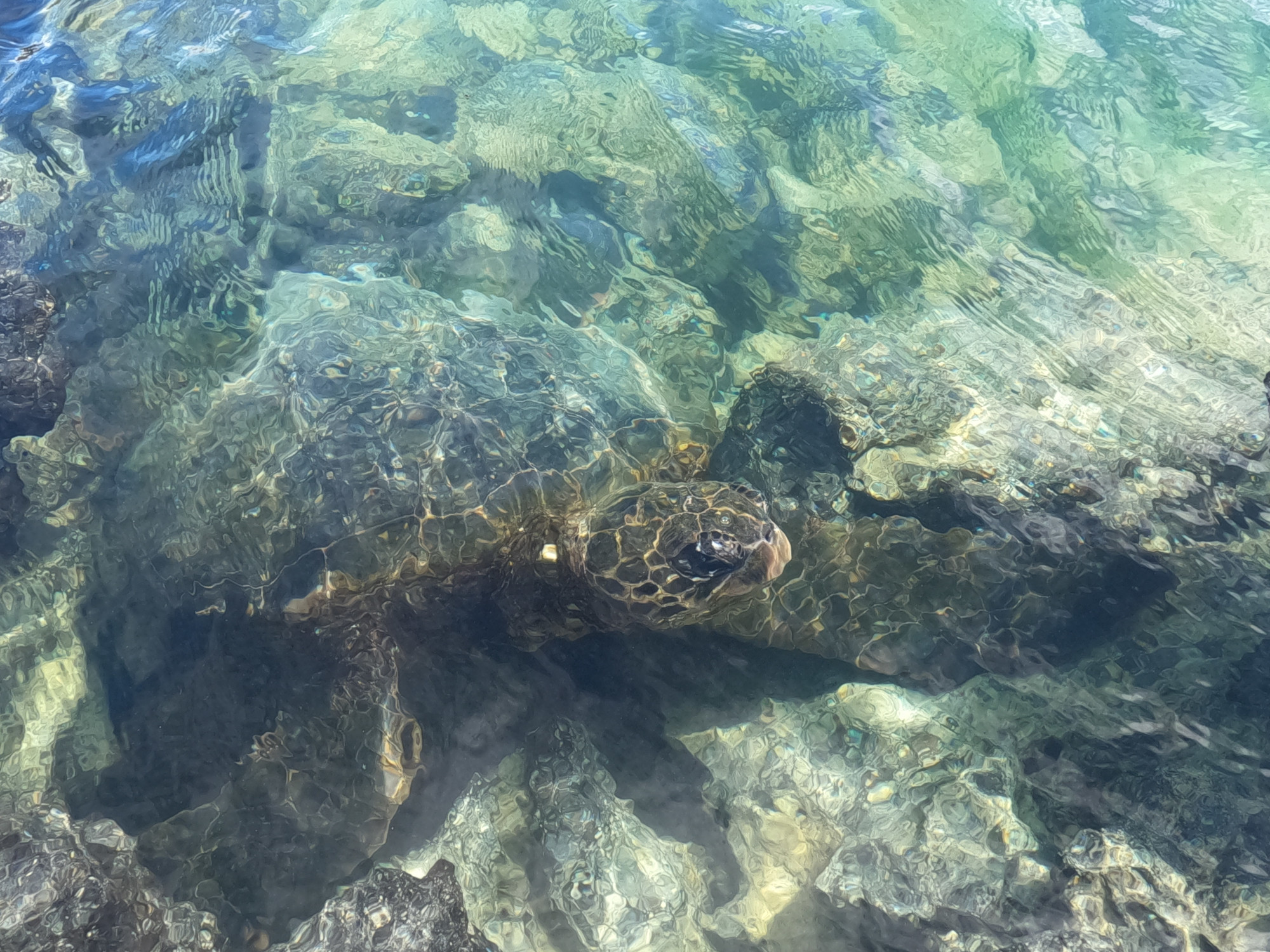
We started on Santa Cruz, staying in a house in a hidden, quiet garden, though we weren’t there much. We took two tours from Santa Cruz, in which we both found ourselves challenged. Sandra faced her fears of the sea on the first day, but pushed through them to swim with me from the beach around the rocks to a lazy turtle. That was the first of many sightings, and was very special for me. When I was 14 my family spent a week on a brigantine in the Whitsundays and I was on turtle lookout the whole week, but ended up being the only person on the ship who didn’t see one. I ended up seeing about 50 in the Galapagos Islands.

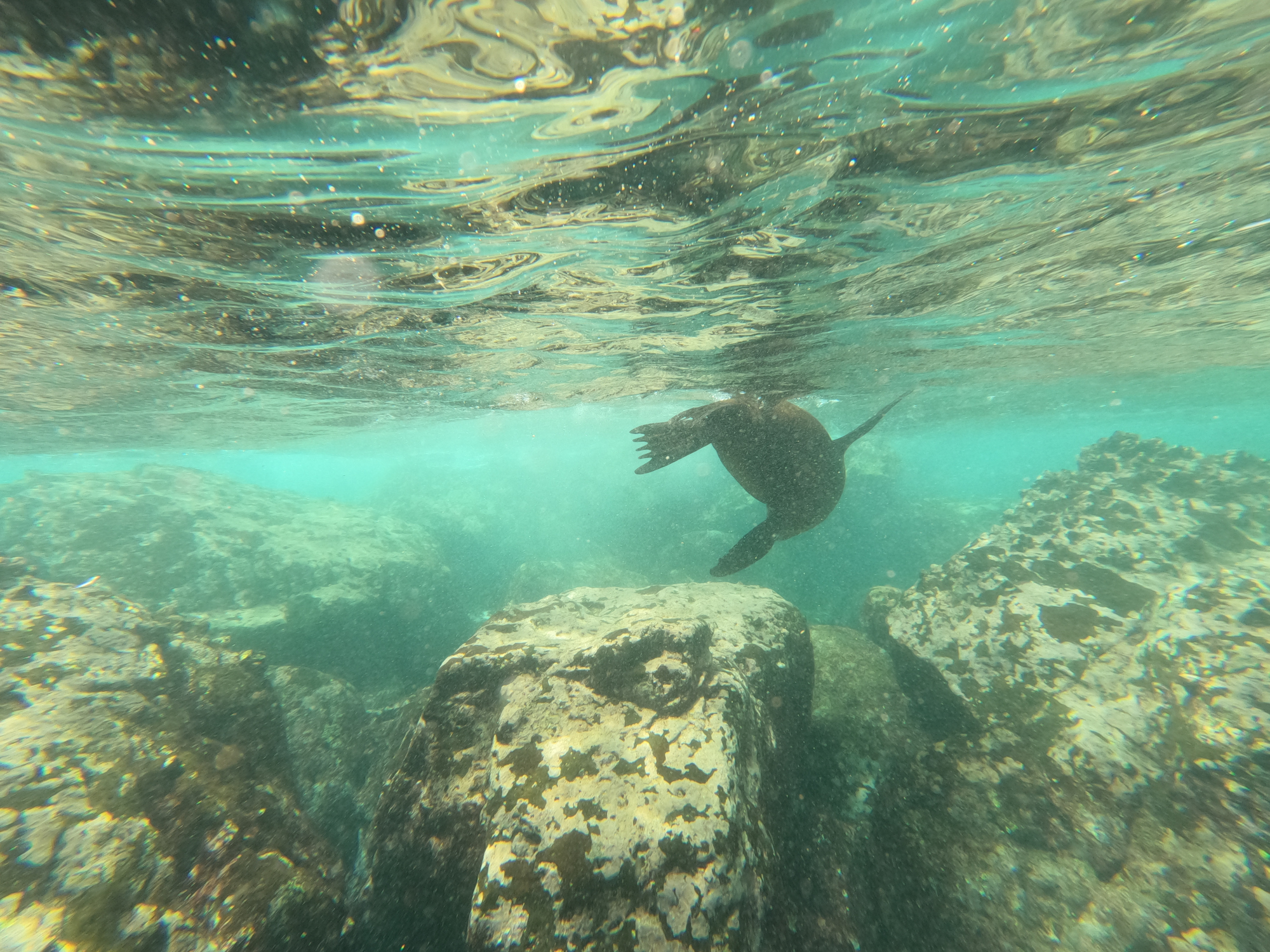
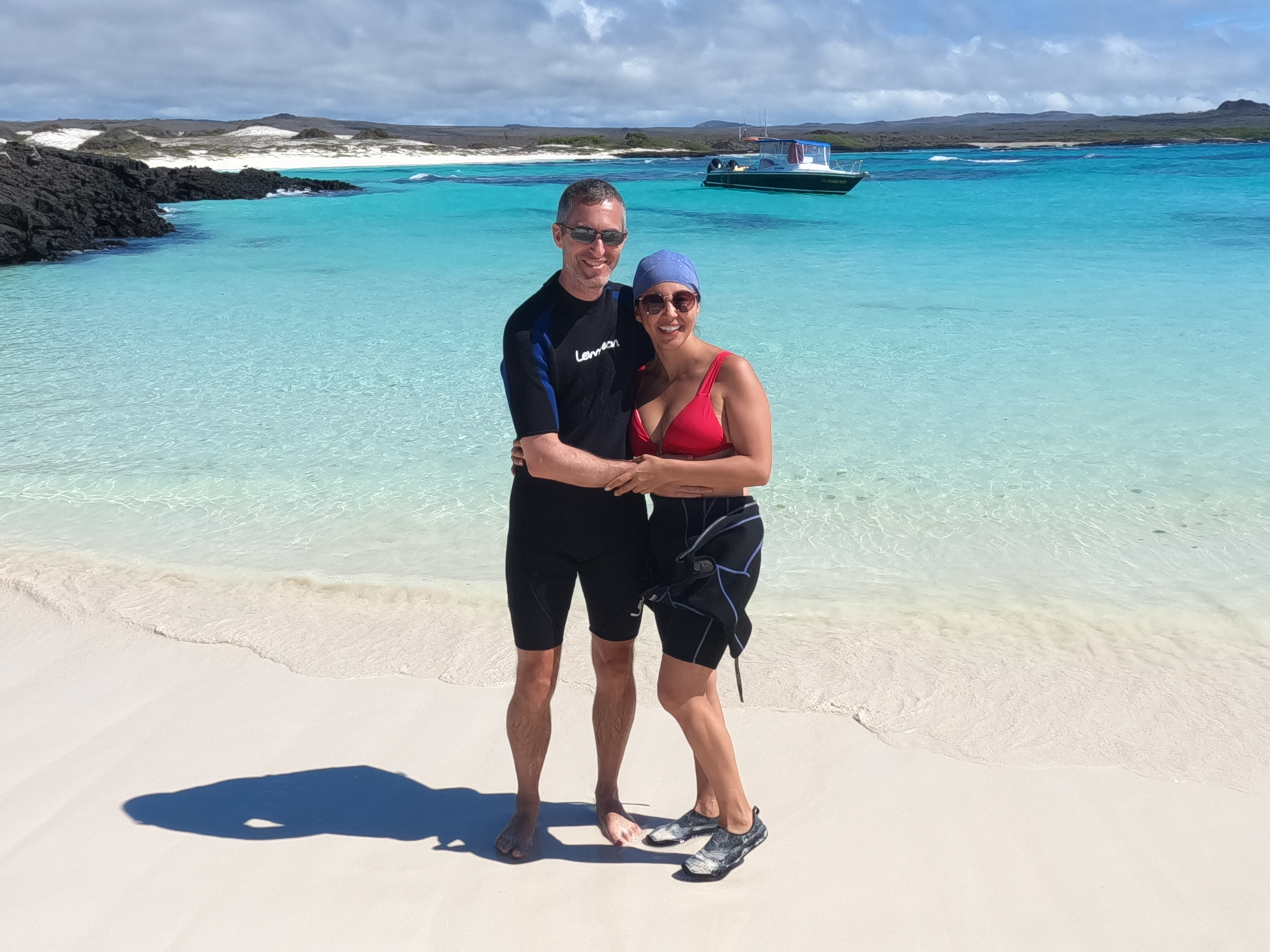
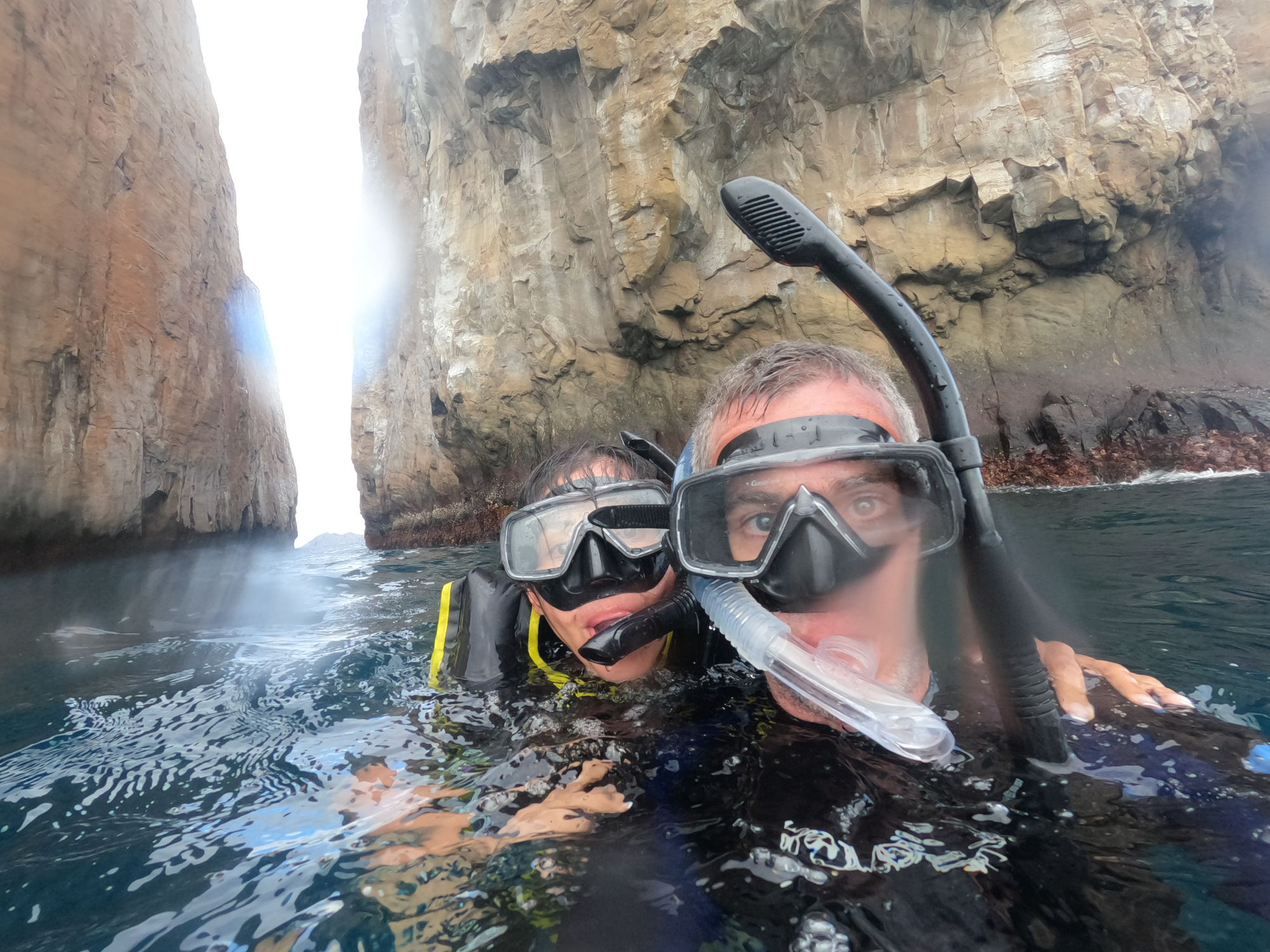
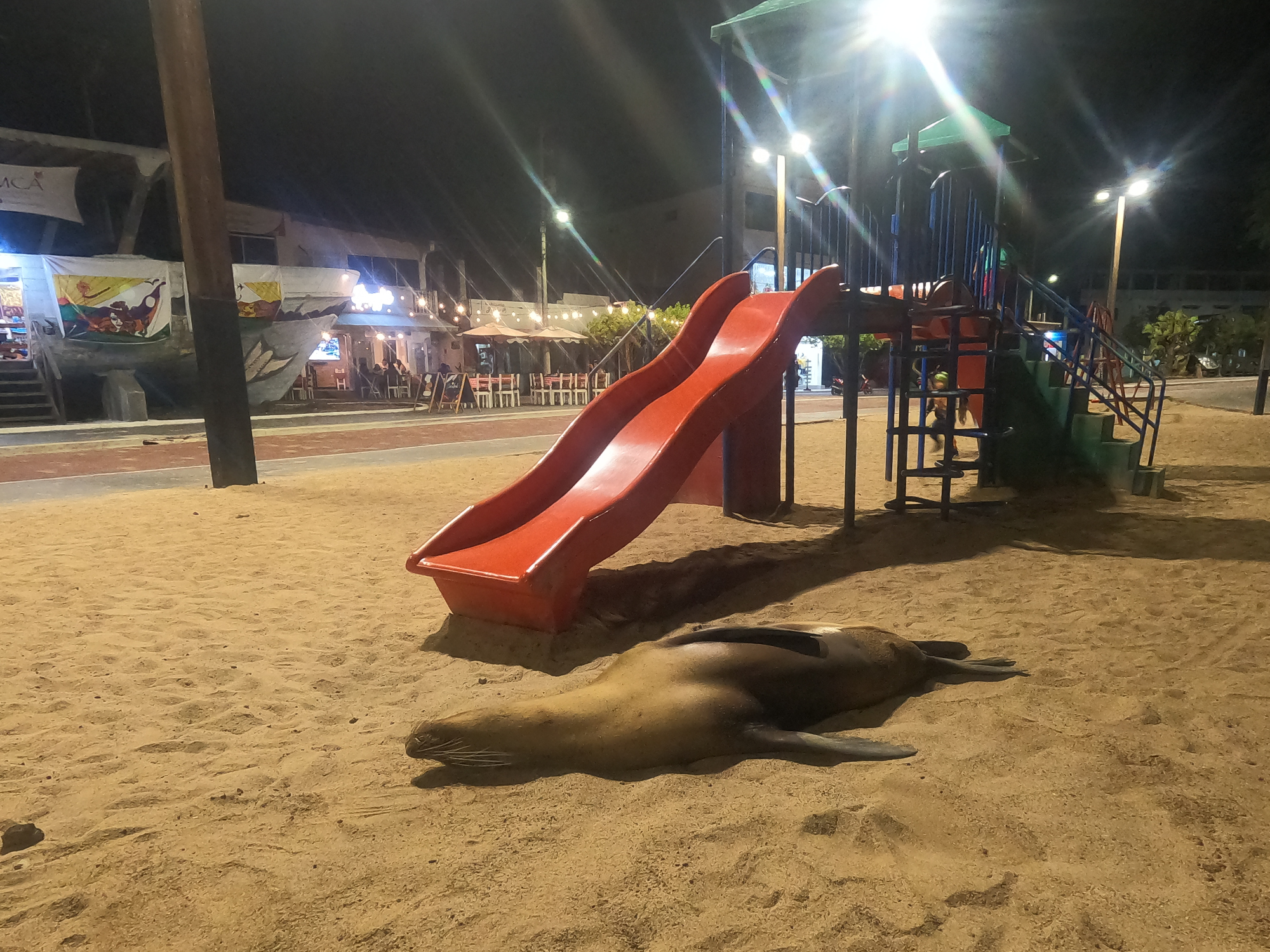
The second day, we went swimming with sea lions. They were on the shore when we jumped into the water, but soon came out to play around us. One kept trying to grab the rope attached to a life buoy and to swim away with it. It cracked me up for about 5 minutes. Our next dive spot on the same day was in a bay with sandy bottom and crystal clear water. We could stay next to the boat with the sea lions or swim 200m to where the turtles were. I, of course, chose to go to the turtles. I guess I tried to swim too far too fast and I ended up hyperventilating. Then the depth, the lack of anywhere to rest, the wet-suit around my throat, my gag reflex at the snorkel all overwhelmed me and I was extremely glad when Sandra saw my state and called for the guide to bring the life buoy when I was still 40m from the boat. By this stage, Sandra had asked to wear a life jacket in the water, which gave her the confidence to relax.

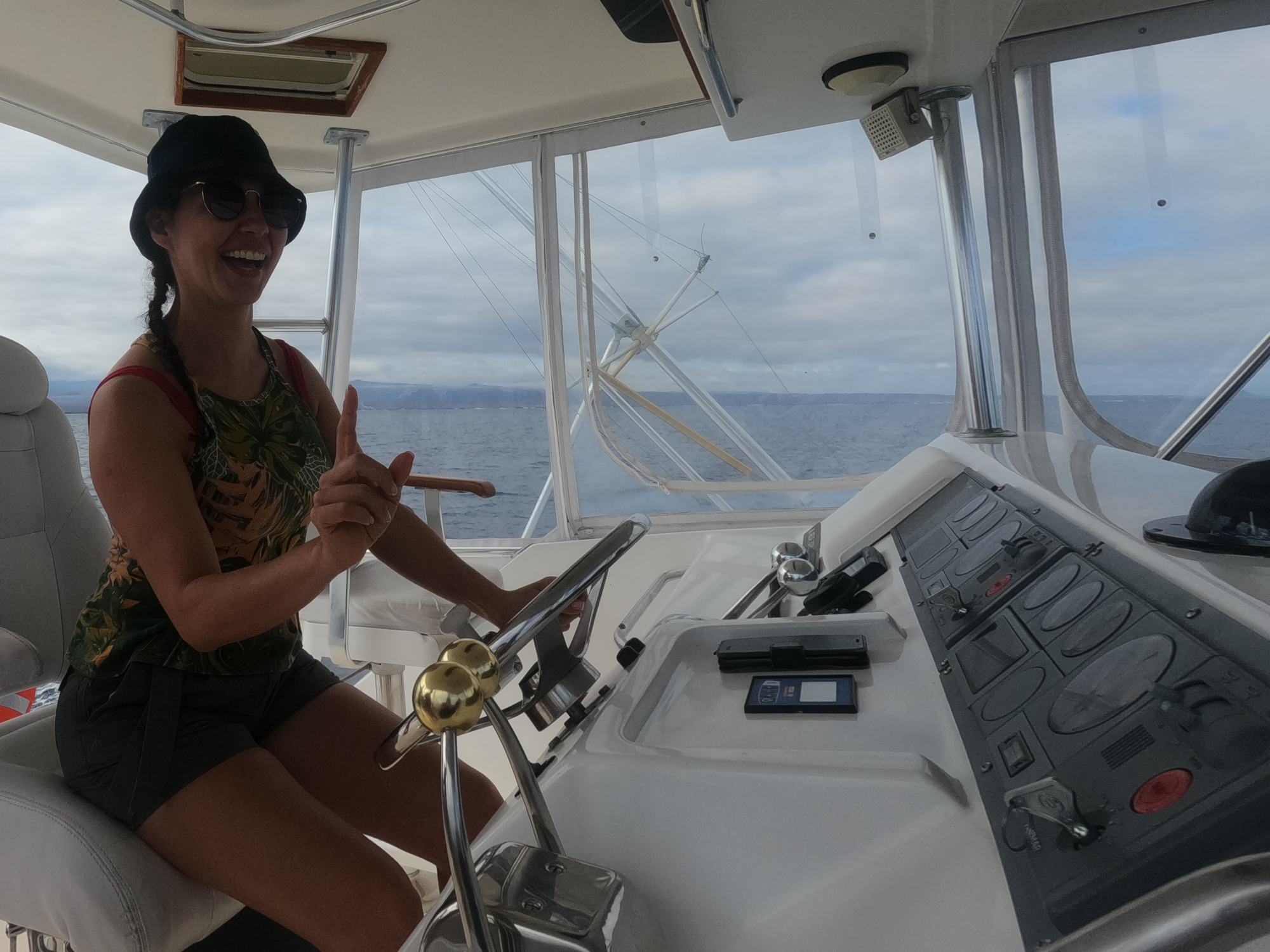
The 2-hour trip to Isabela wasn’t fun as the boat bounced over the top of all the waves, but we made it and I loved the rustic nature of the town with streets of sand and nature was much closer. By this time we’d realised that the Galapageños are the nicest people in the world. Despite the hardship they’d endured through the pandemic with, essentially, the loss of their entire income, they were always friendly and never pushy with tourists.

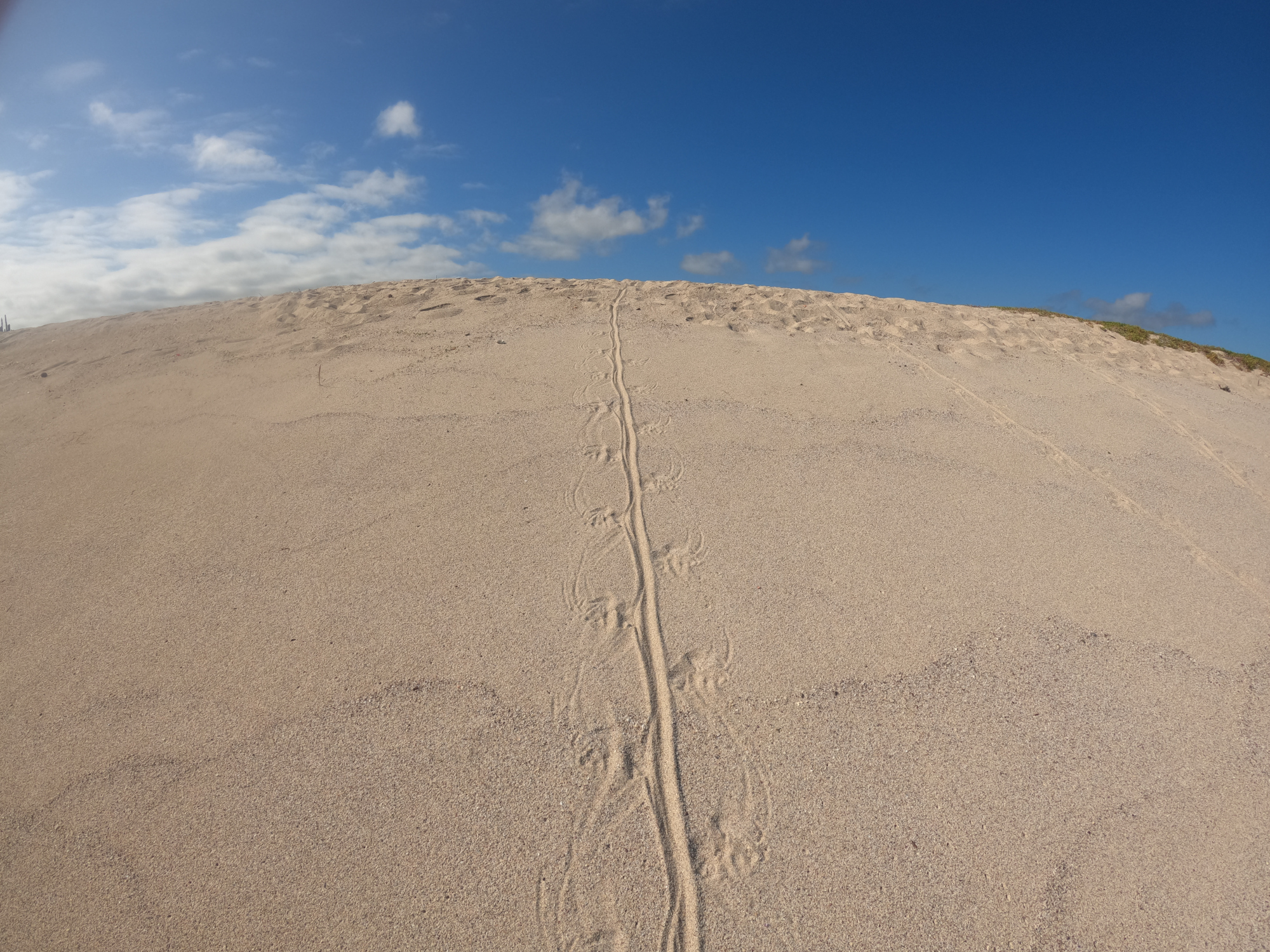
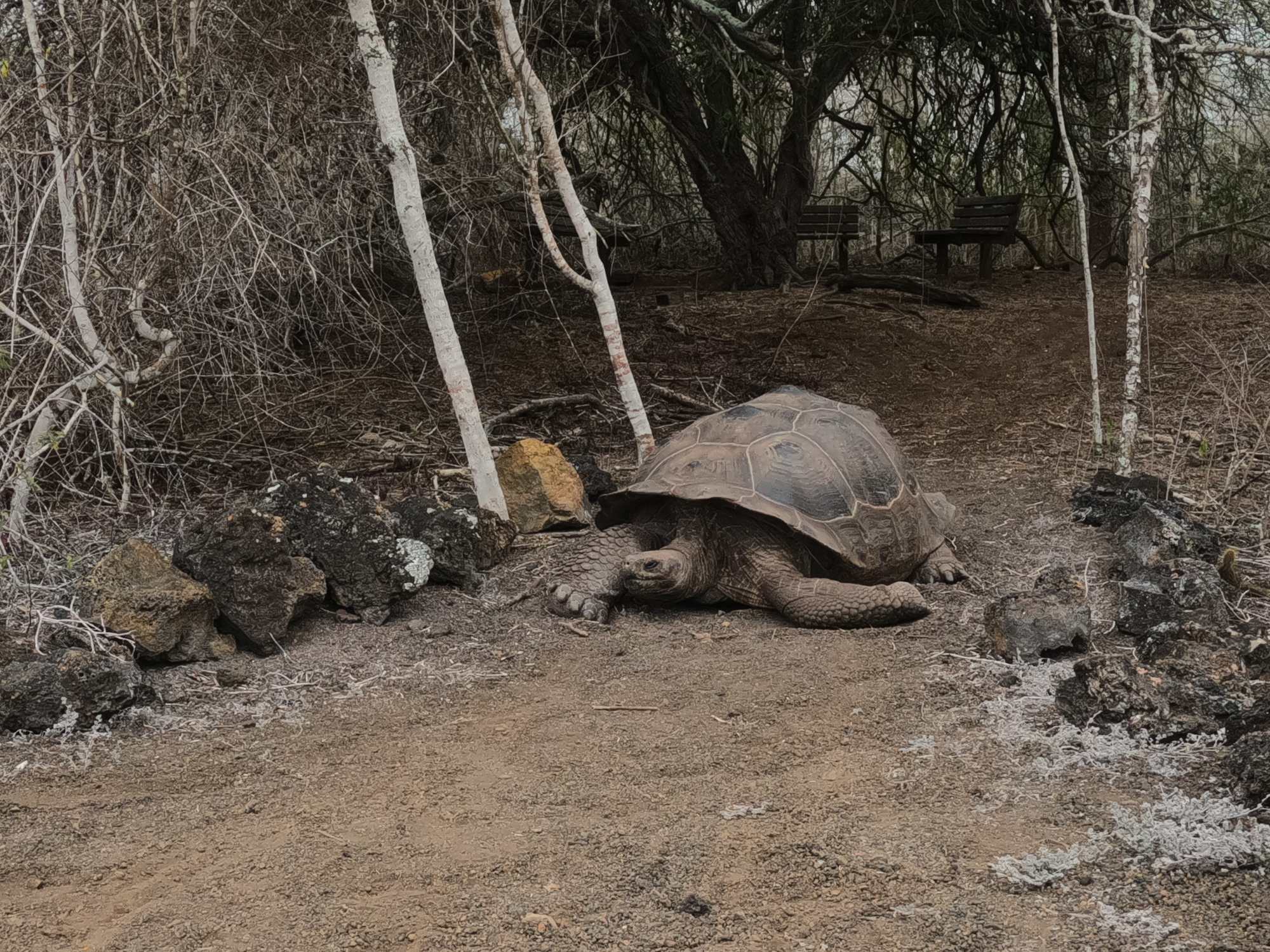
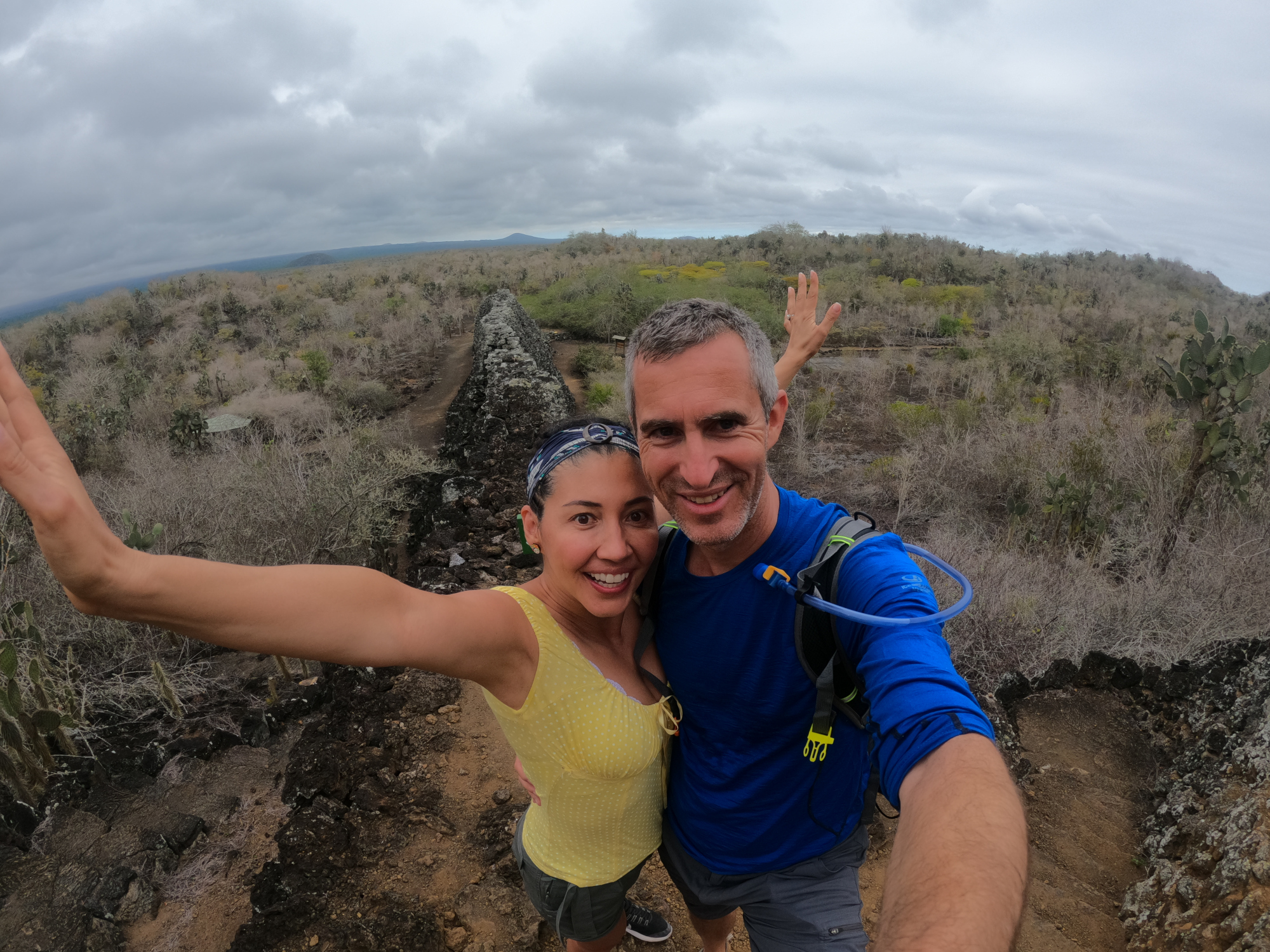
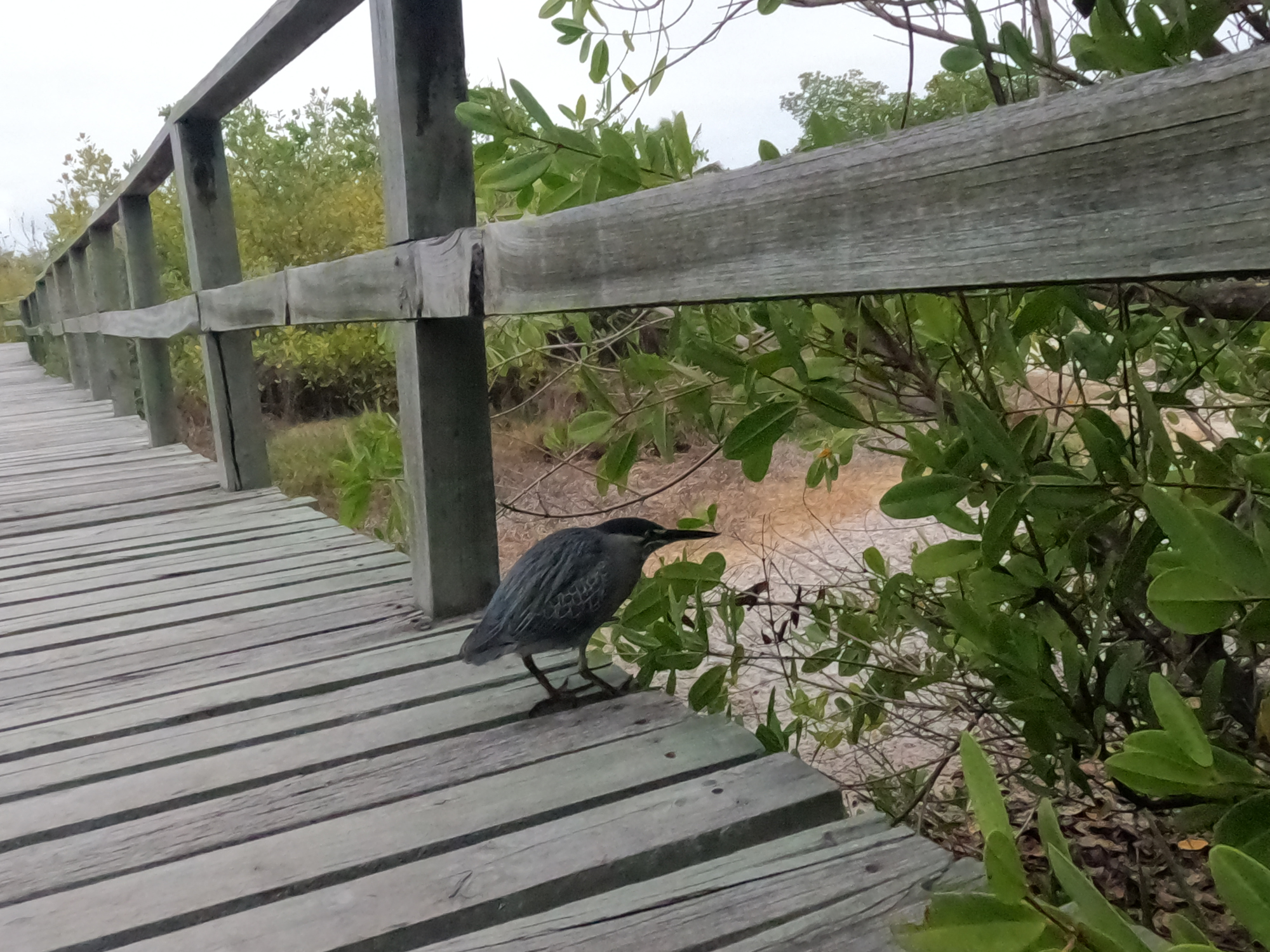
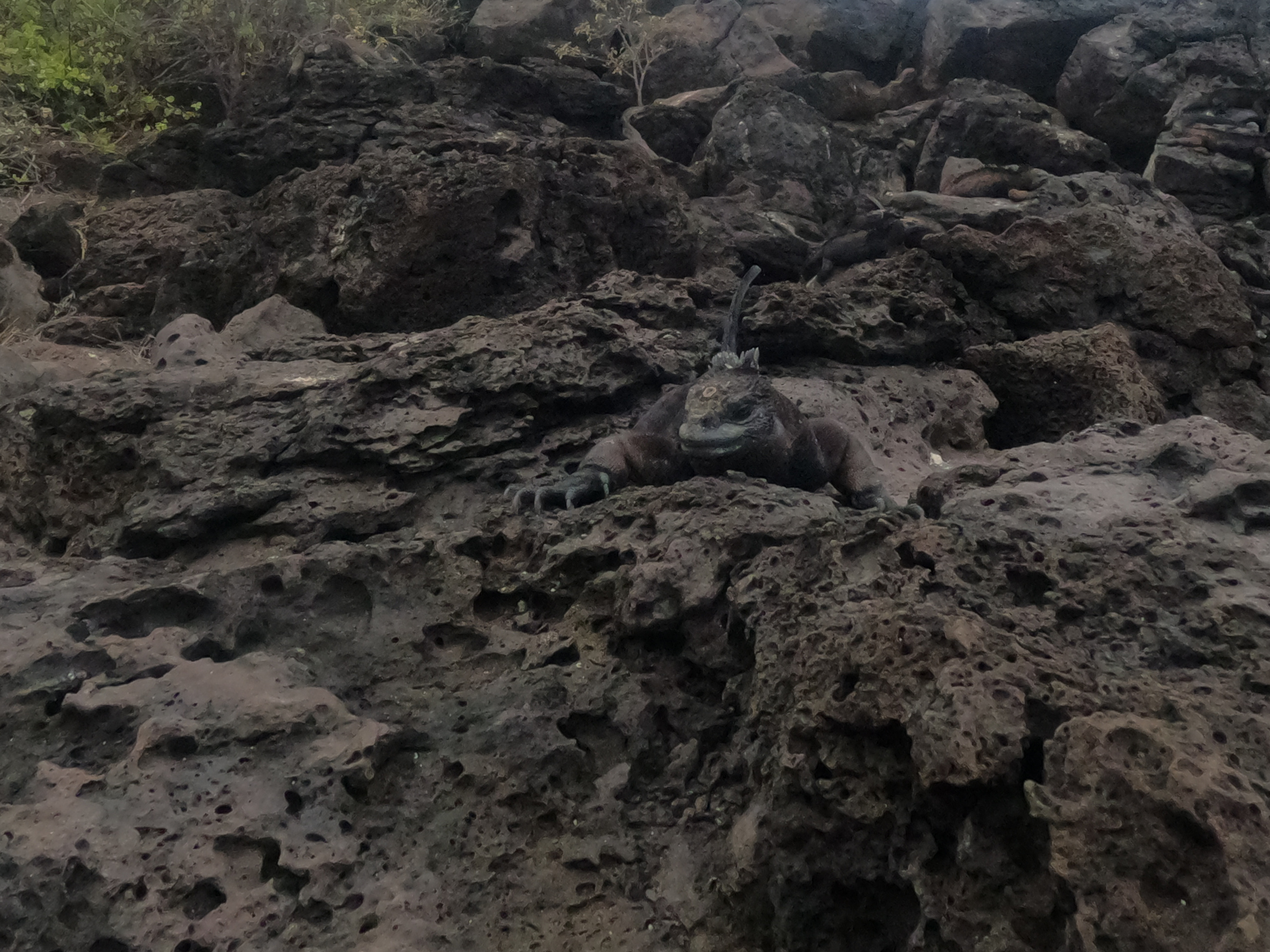
With an afternoon to spare, we rented some bikes and headed out to see the Wall of Tears. On the way, we found a couple of giant tortoises and a beach full of iguanas. The wall itself was an impressive story of misery. 7m high, 100m long and a few metres thick, it served no purpose other than to give convicts something meaningless to do.

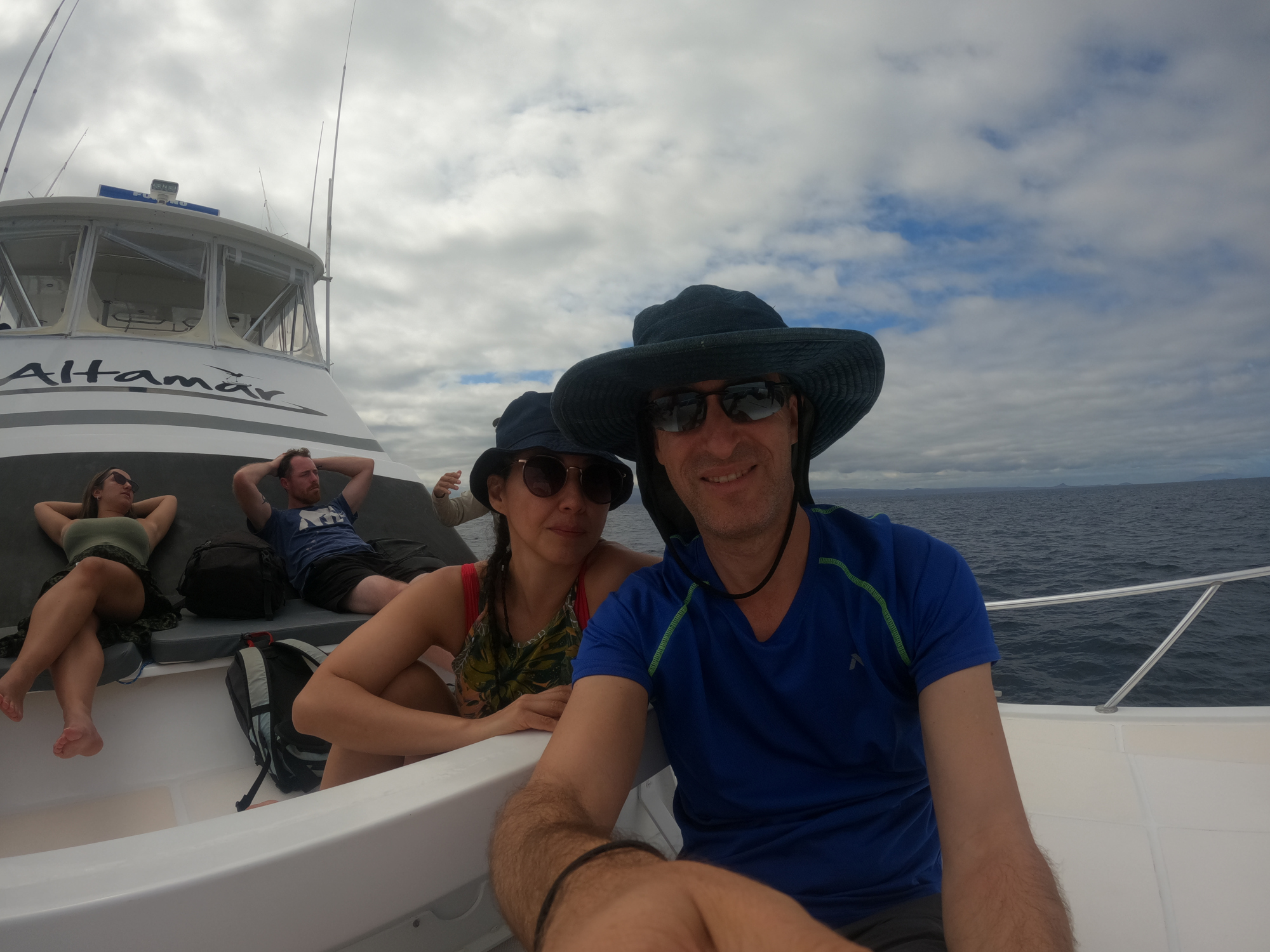
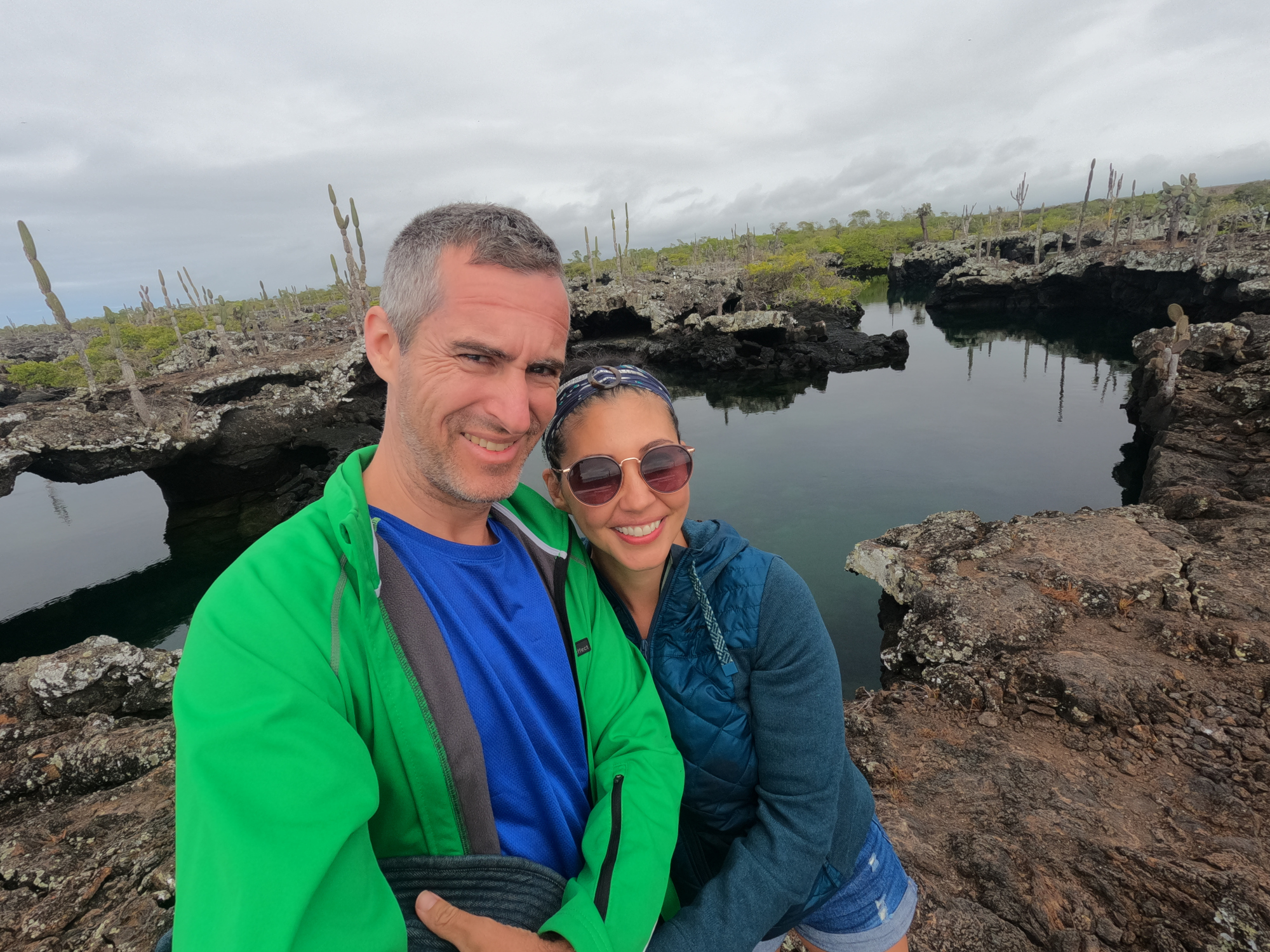
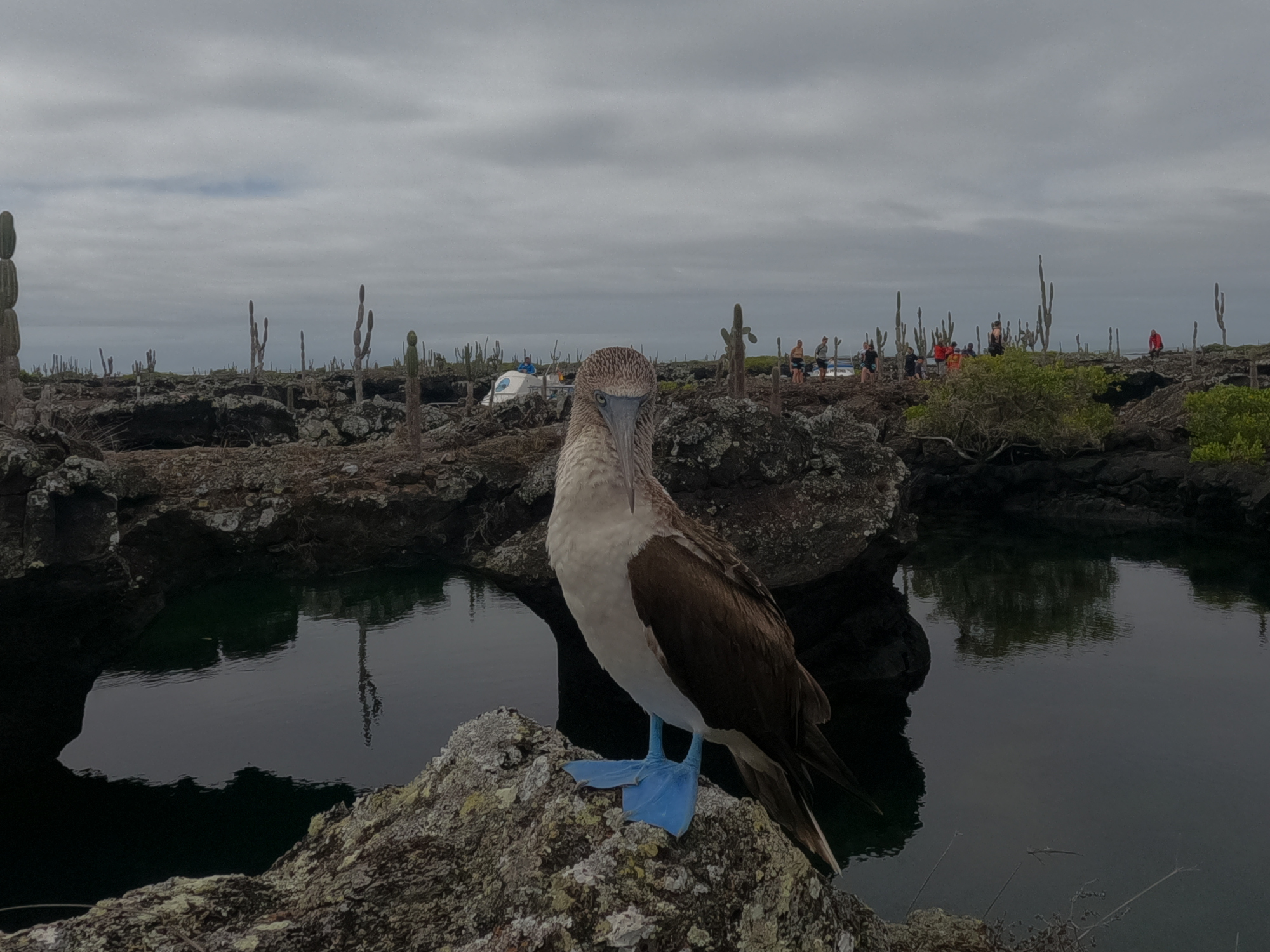
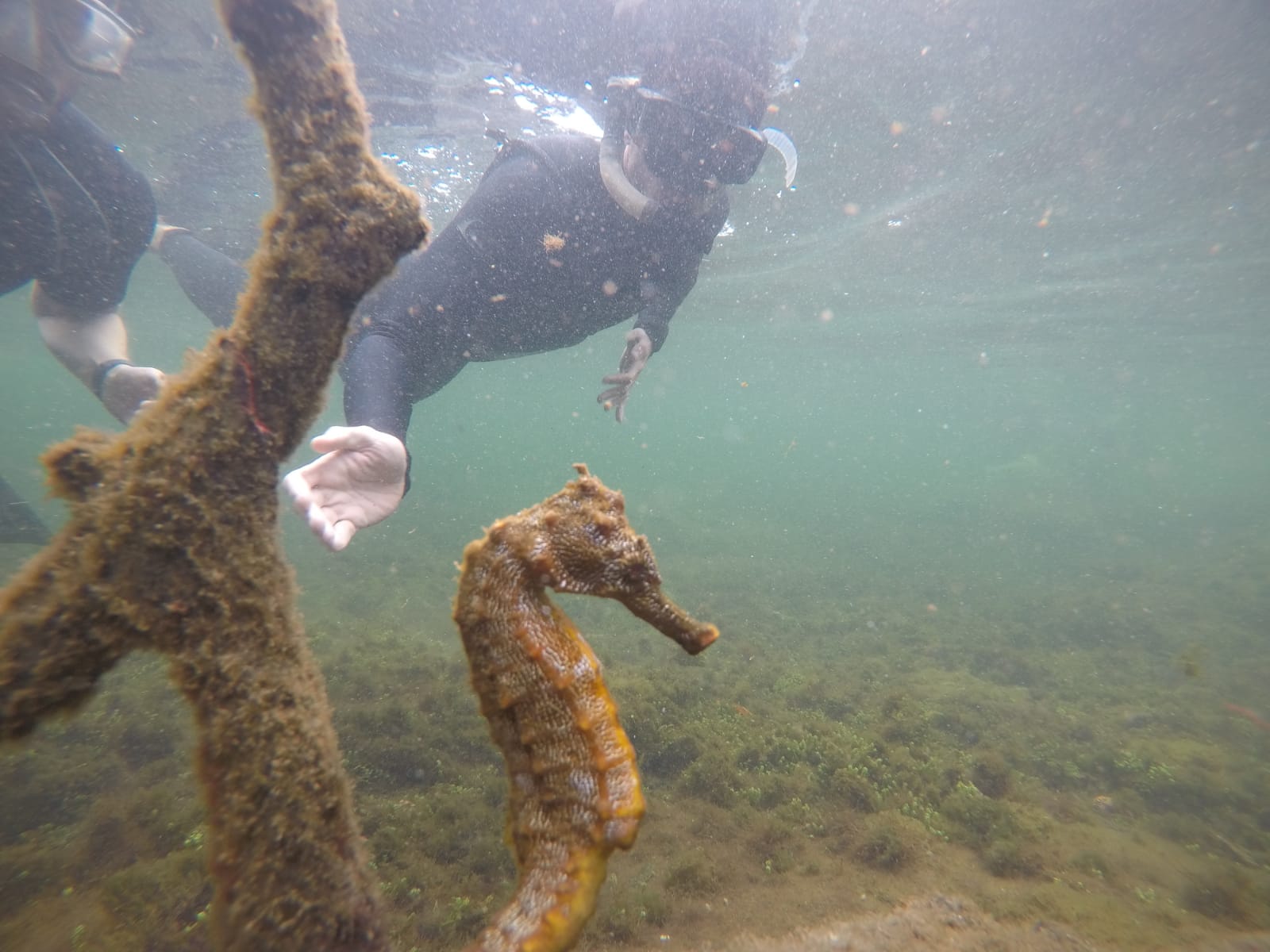
Our only Isabela tour was to the impressive lava tunnels. When a volcano erupts and lava flows, the outer surface cools more quickly and hardens, while the hot lava continues to flow inside and eventually drains. The resulting tunnels mostly collapse, leaving interesting formations with occasional bridges. Here we saw a blue-footed booby up close, before getting in the water for a shallow, warm swim around the submerged tunnels. We got a close up view of a seahorse, more turtle time and even an obscure view of a manta ray and a shark. The manta rays were more impressive from the boat in the open water, though, jumping (apparently to shake off parasites). We approached one that was gliding in the open water and on one occasion both wingtips breached the surface about 3m apart. It was huge!

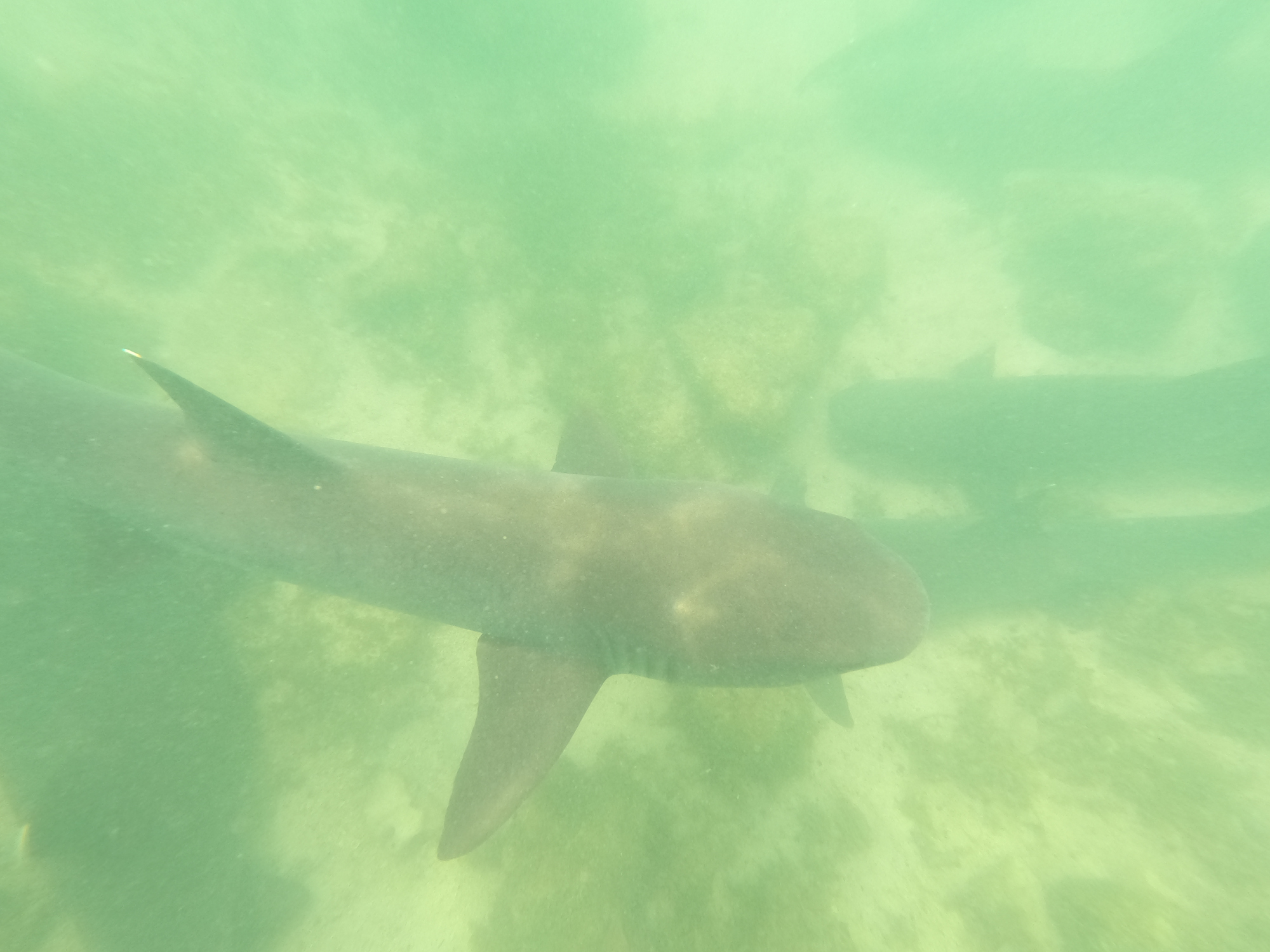
Two horrible boat rides later we were on San Cristobal, which was a nice balance between the mild commercialism of Santa Cruz and the rustic feel of Isabela. We had three days here and only one tour. We were looking forward to the rest, but our tour turned out to be the highlight of the trip. It took us all around the island, starting with more lava tunnels and boobies, but here we swam with about 50 sharks. Apparently the local sharks have no interest in eating humans, but it was a nerve-wracking experience to suddenly find a shark leave its sleeping spot on the sand to swim a couple of feet beneath us. We also got our best close-up experiences swimming with turtles.

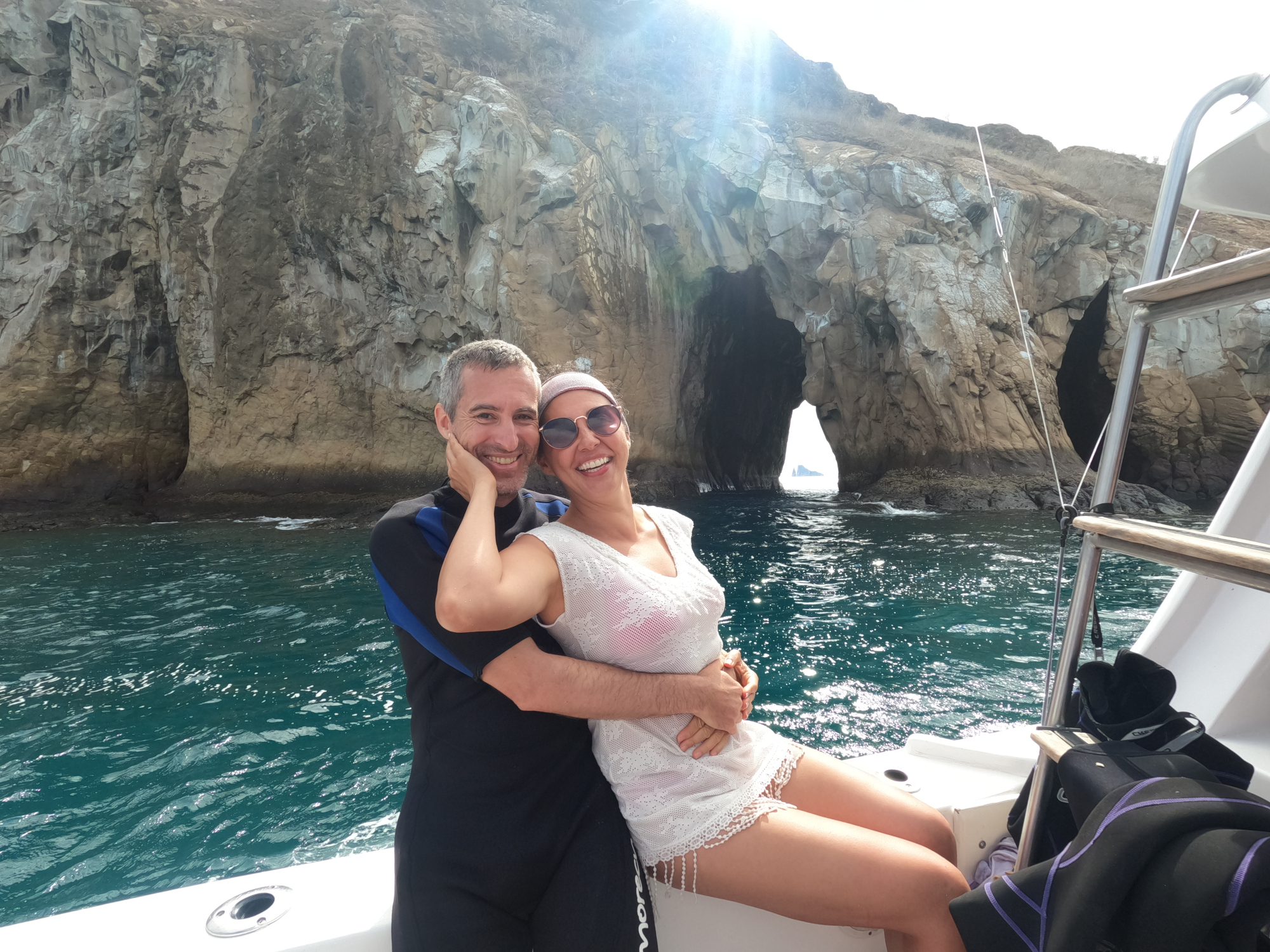
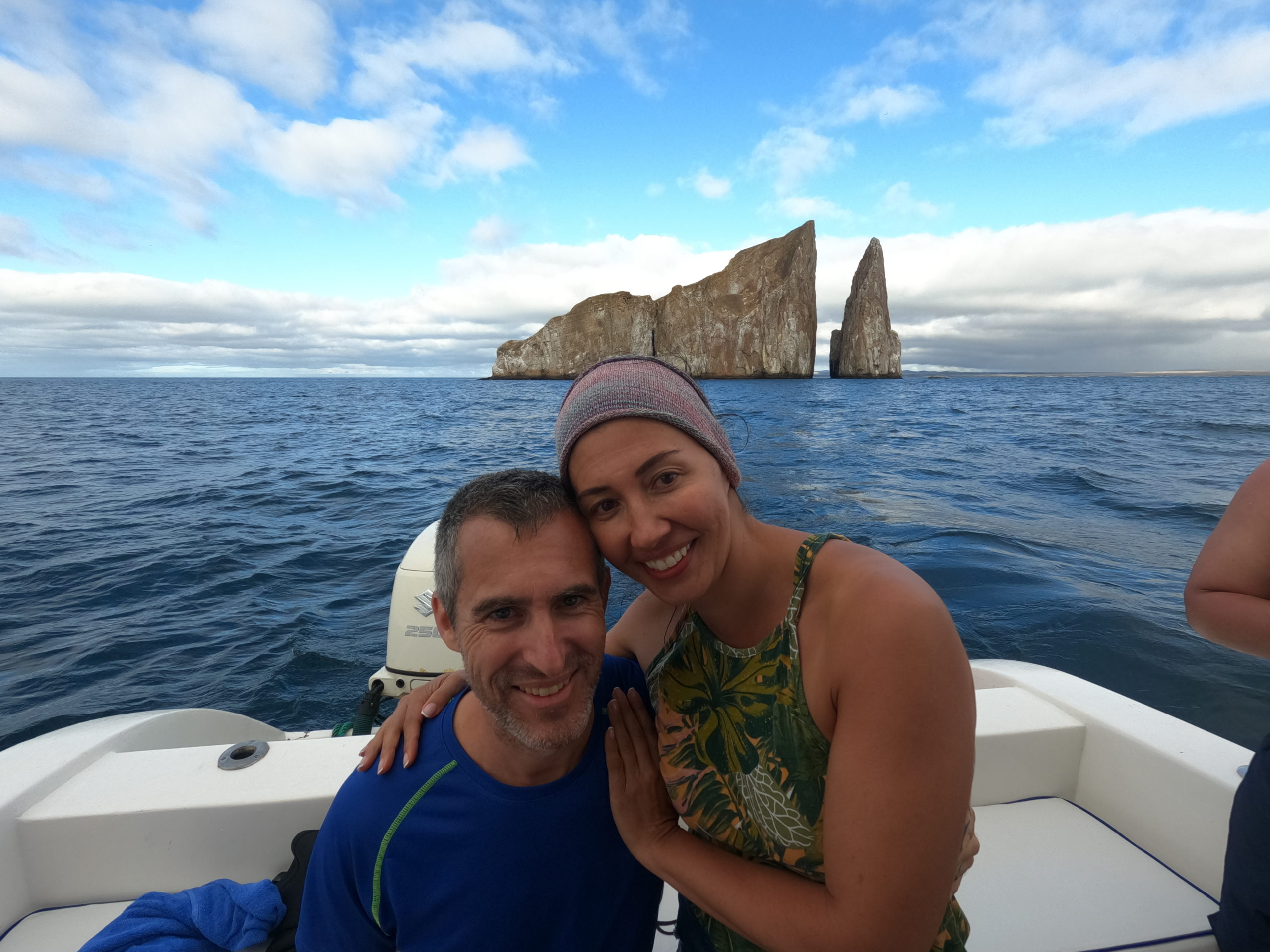
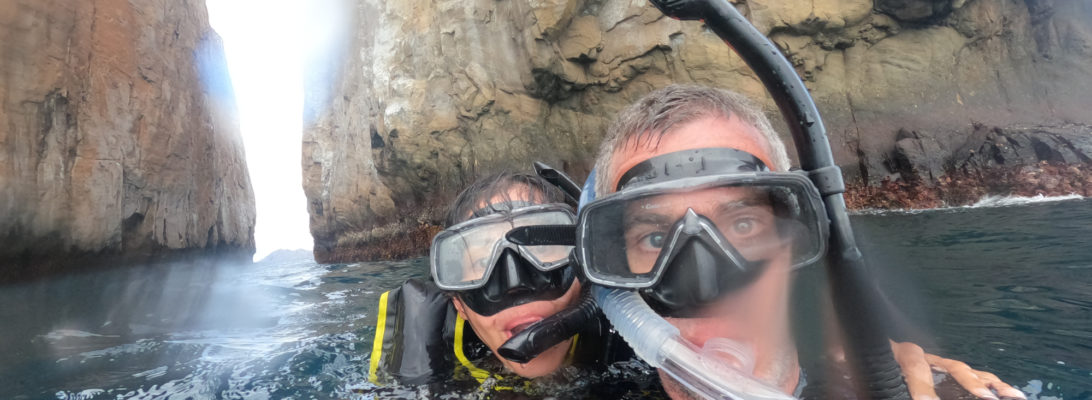
Our last dive was in open water, through the crack of Sleeping Lion rock. At its shallowest the bottom was 20m down. The water was murky and full of sharks. Sandra was the first to brave the water, but we were both among the first back onto the boat, where we clutched hot drinks and a sugar hit. The Galapagos might be right on the equator, but it doesn’t feel like it. The air temperature didn’t get much above or below 20C, and the water demanded wet suits. Apparently this changes between December and May, but for 6 months it’s water some penguins feel comfortable in.

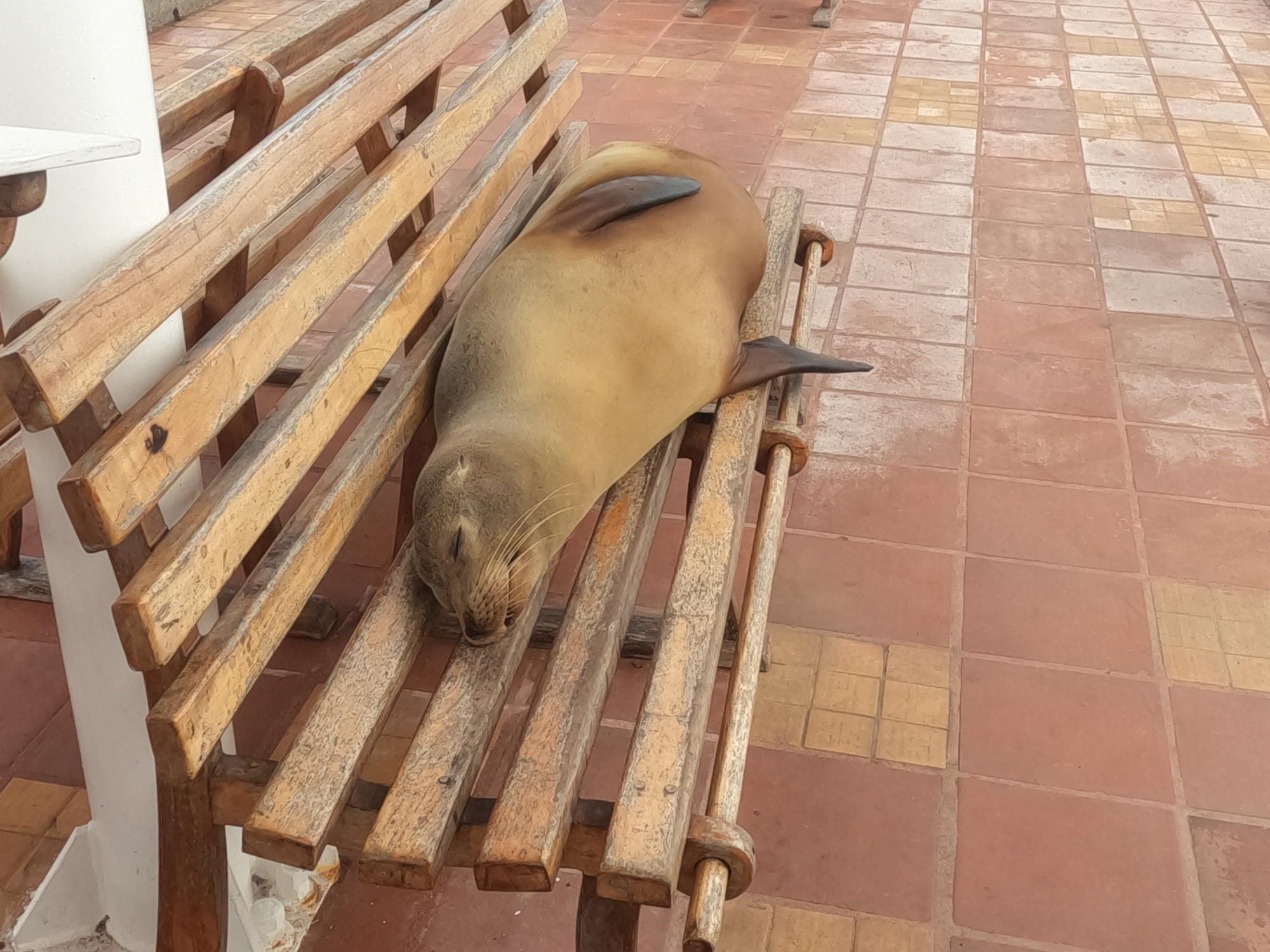
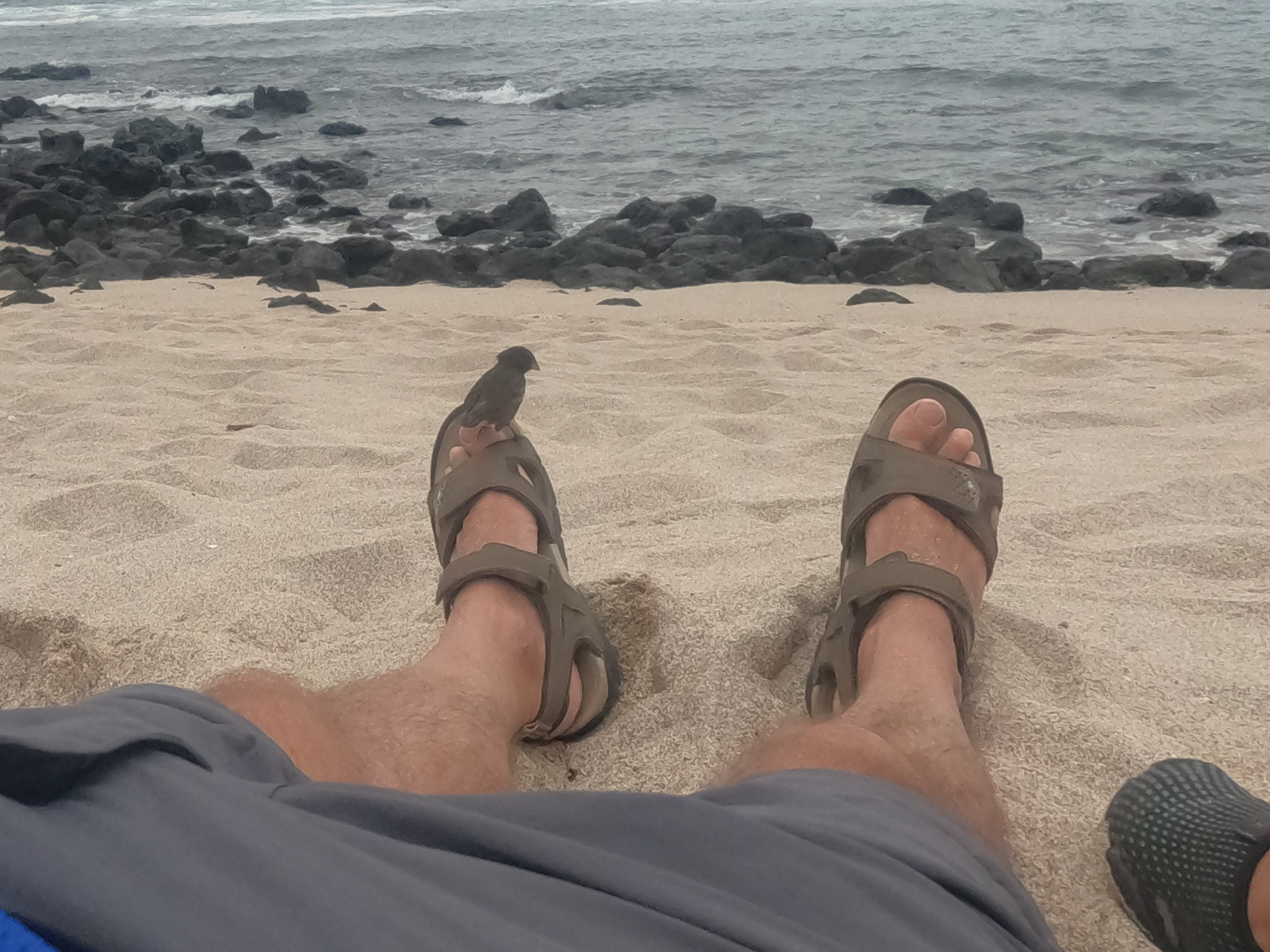
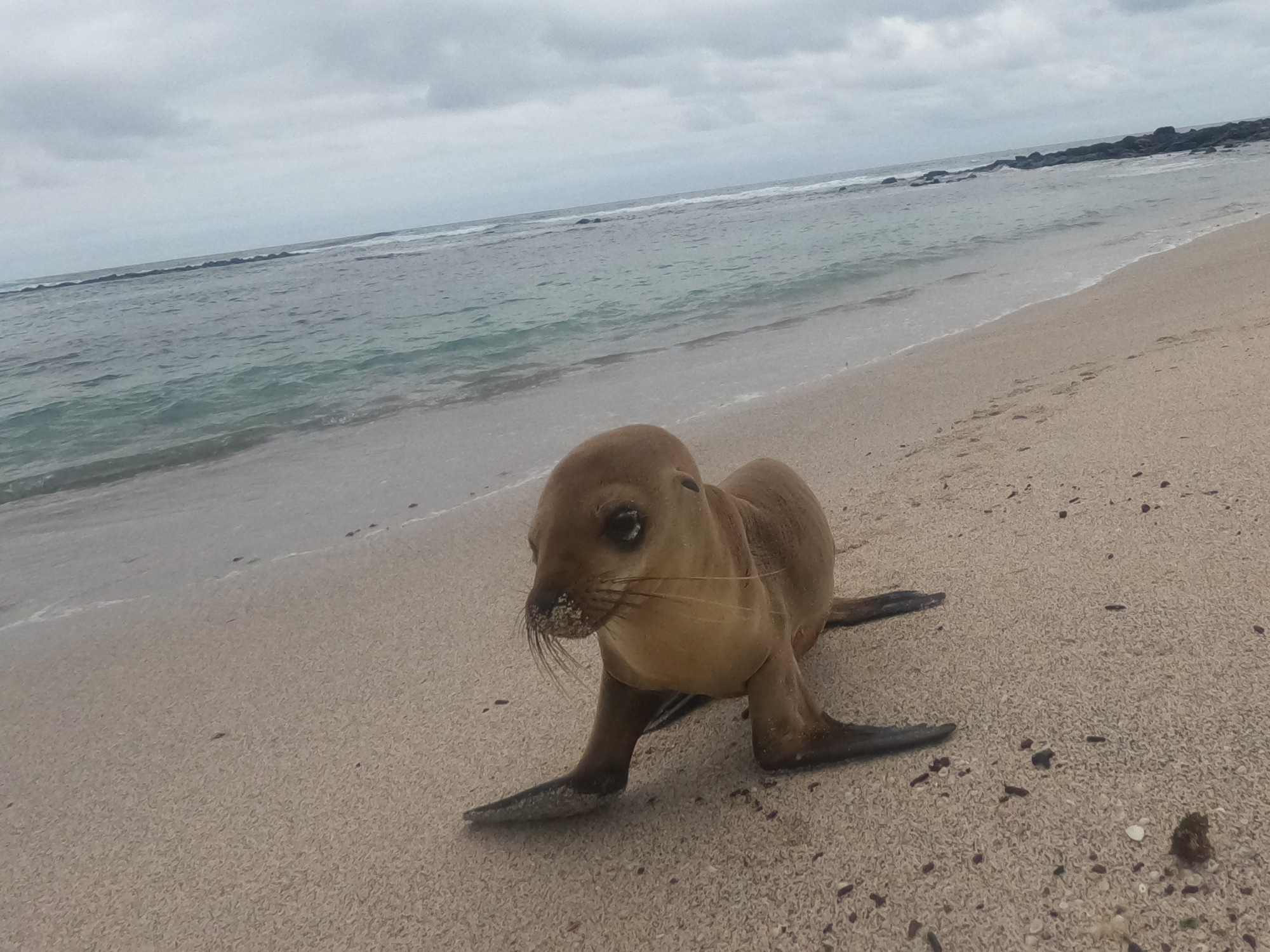
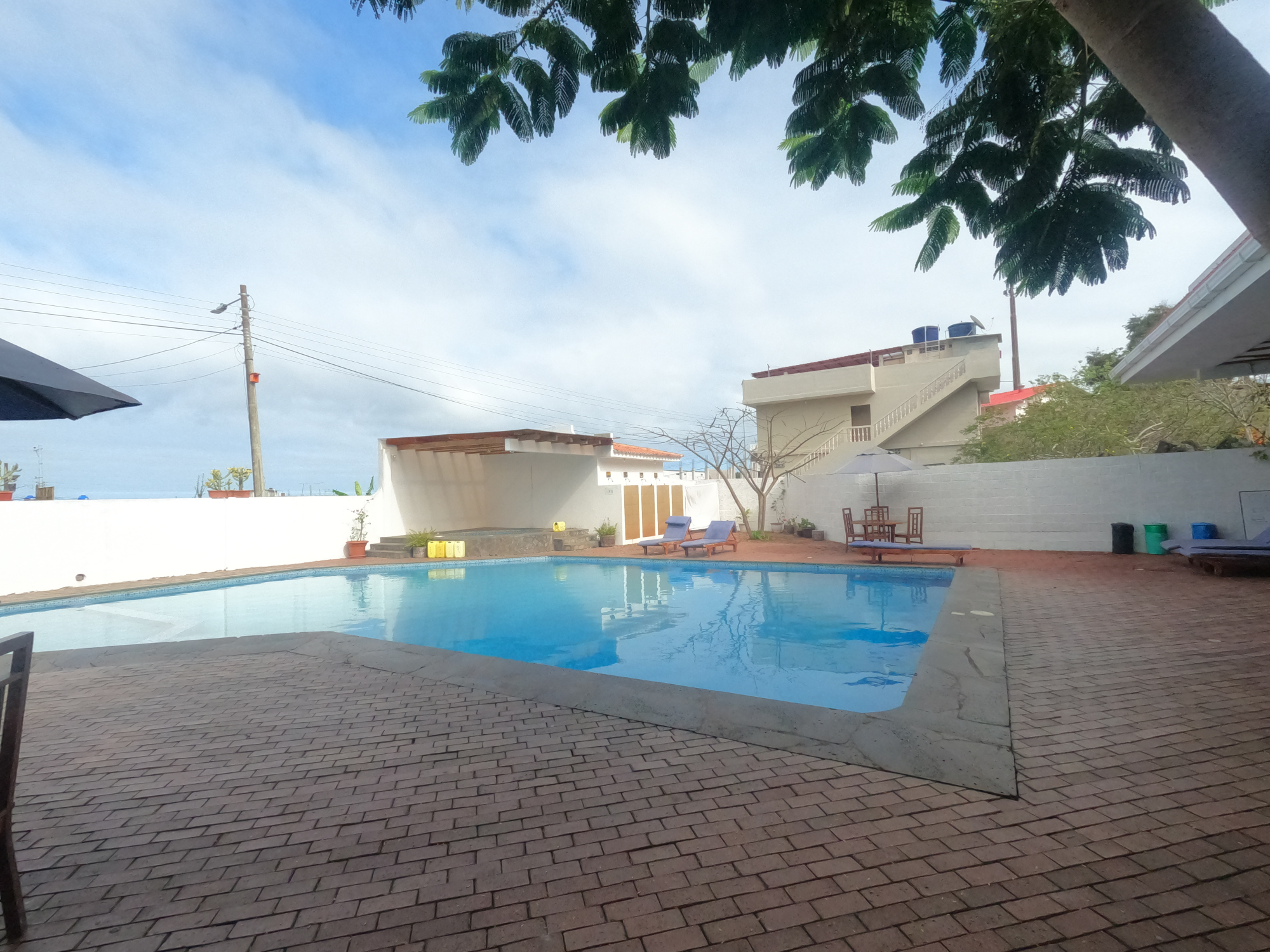
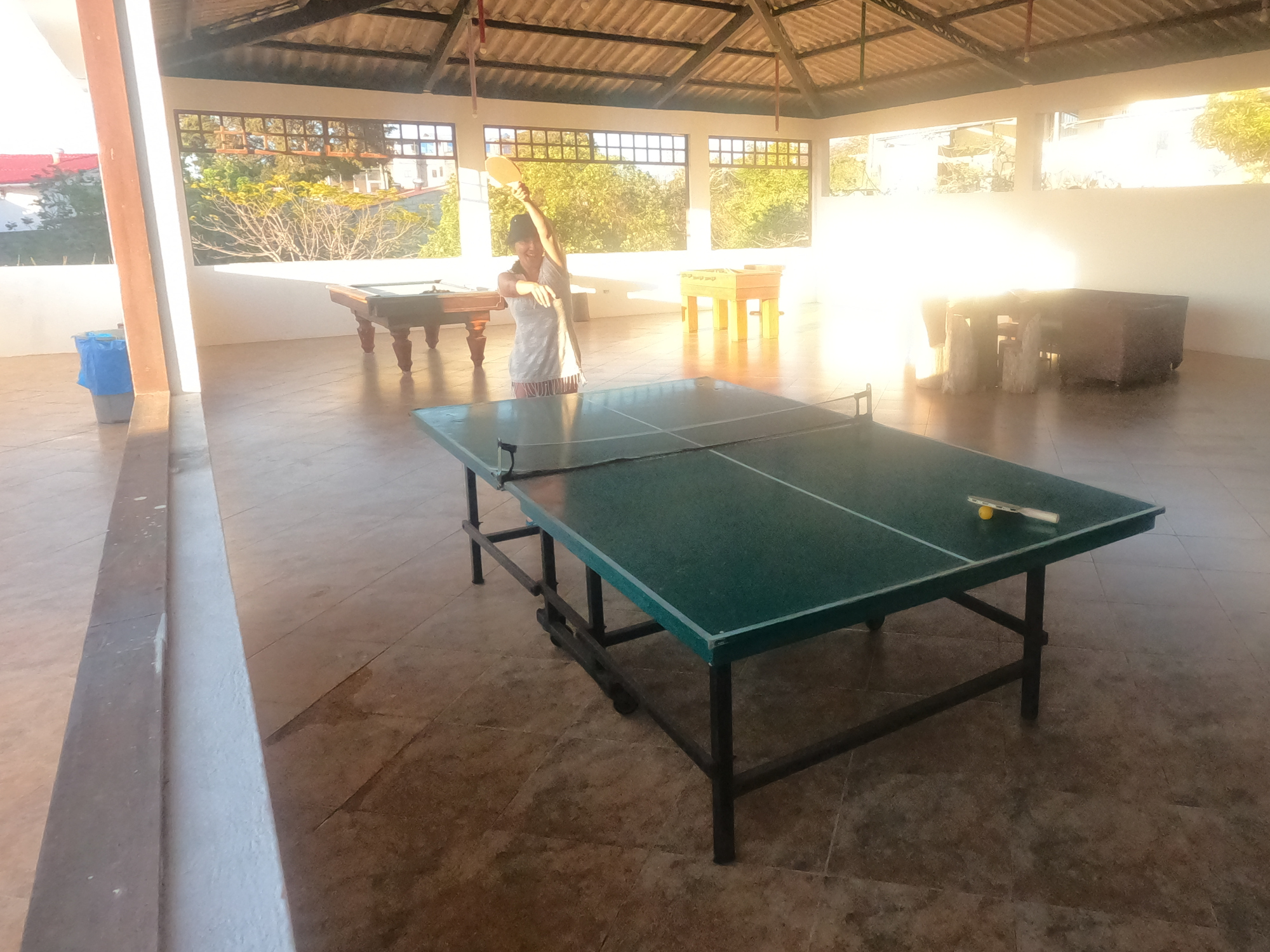
We spent a day barely leaving the hotel pool and games area before borrowing bikes again on our last day and heading for a beach dominated by sea lions. The guide there told us not to touch them because they’d be rejected by the rest of the herd, even by their mothers. We had to retreat a couple of times because babies became curious. Sandra got an awesome video of one mother herding its baby away from us.

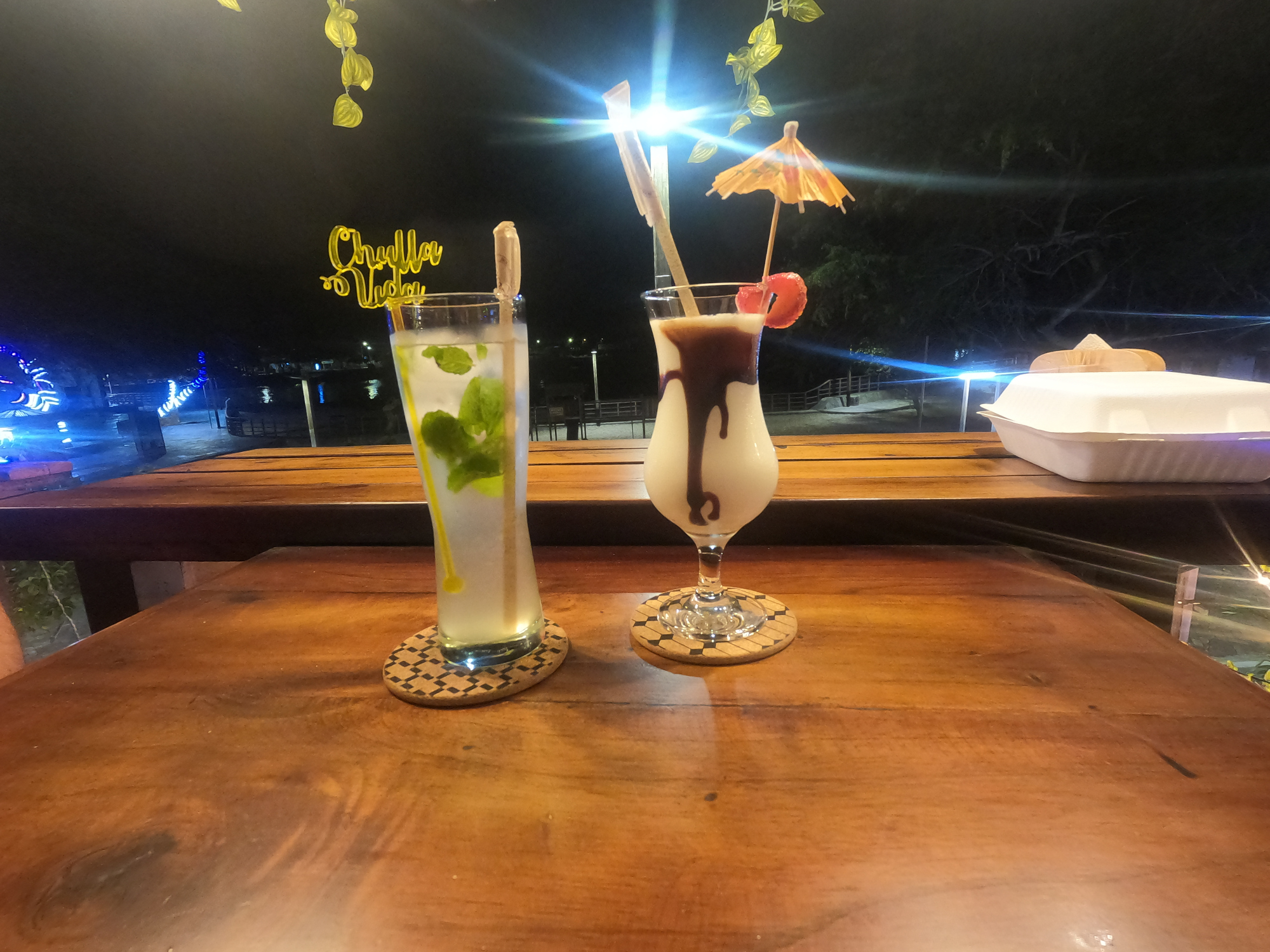
We celebrated the trip with cocktails on the last evening, and went into a coma for the trip home. I was very nervous since I was coming back to Colombia as a tourist after letting my volunteer visa expire. The idea was that I couldn’t change my visa type so coming back as a tourist reset my status, but I wasn’t sure they’d allow it after being in the country for most of the year already. When the immigration officer withheld my passport and sent Sandra on my heart rate rocketed, but it seems she just needed her superior to process it properly. After making me wait for 15 mins, they let me through without any questions. And then we were home for a weeks rest.

We thoroughly enjoyed our trip. Even though it challenged us both, the people and animals made it worthwhile.

Minca y Palomino

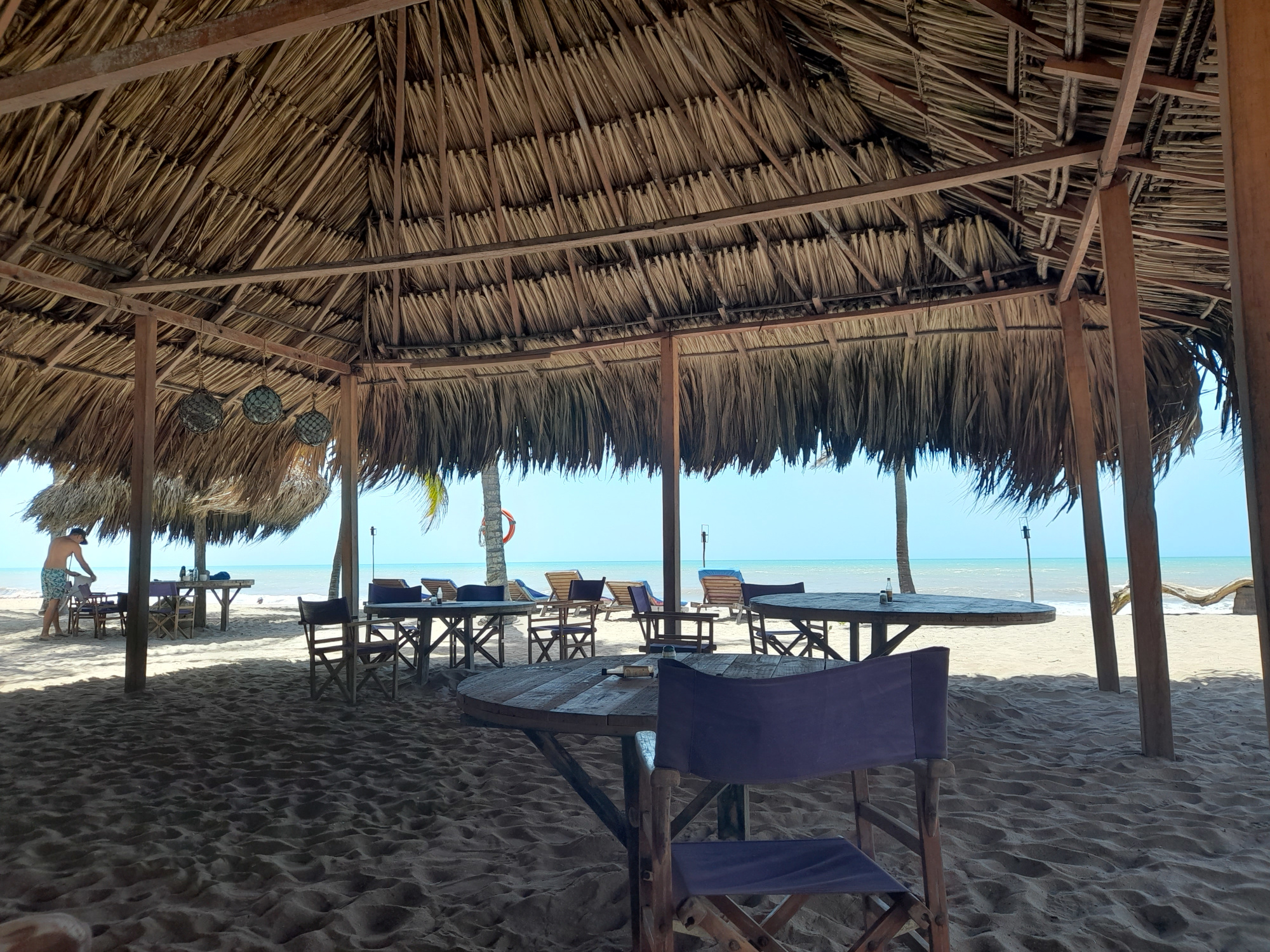
After mini-lockdowns kept us home most weekends during the first half of the year, Sandra and I wanted to escape to somewhere nice for our anniversary. We discussed going somewhere like Jamaica, but the idea of going to such a place and having to wear a mask all the time didn’t appeal. Nor did the restrictions on where we could and couldn’t go. After much investigation, we settled on the Carribean coast.

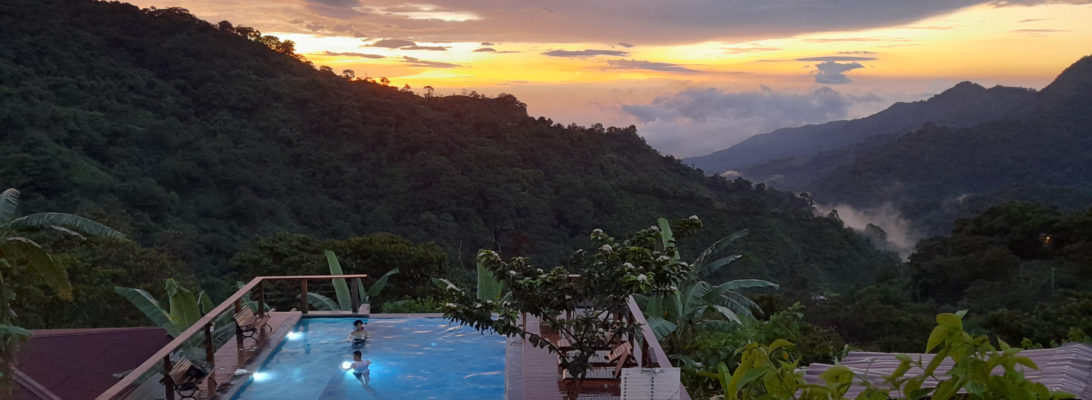
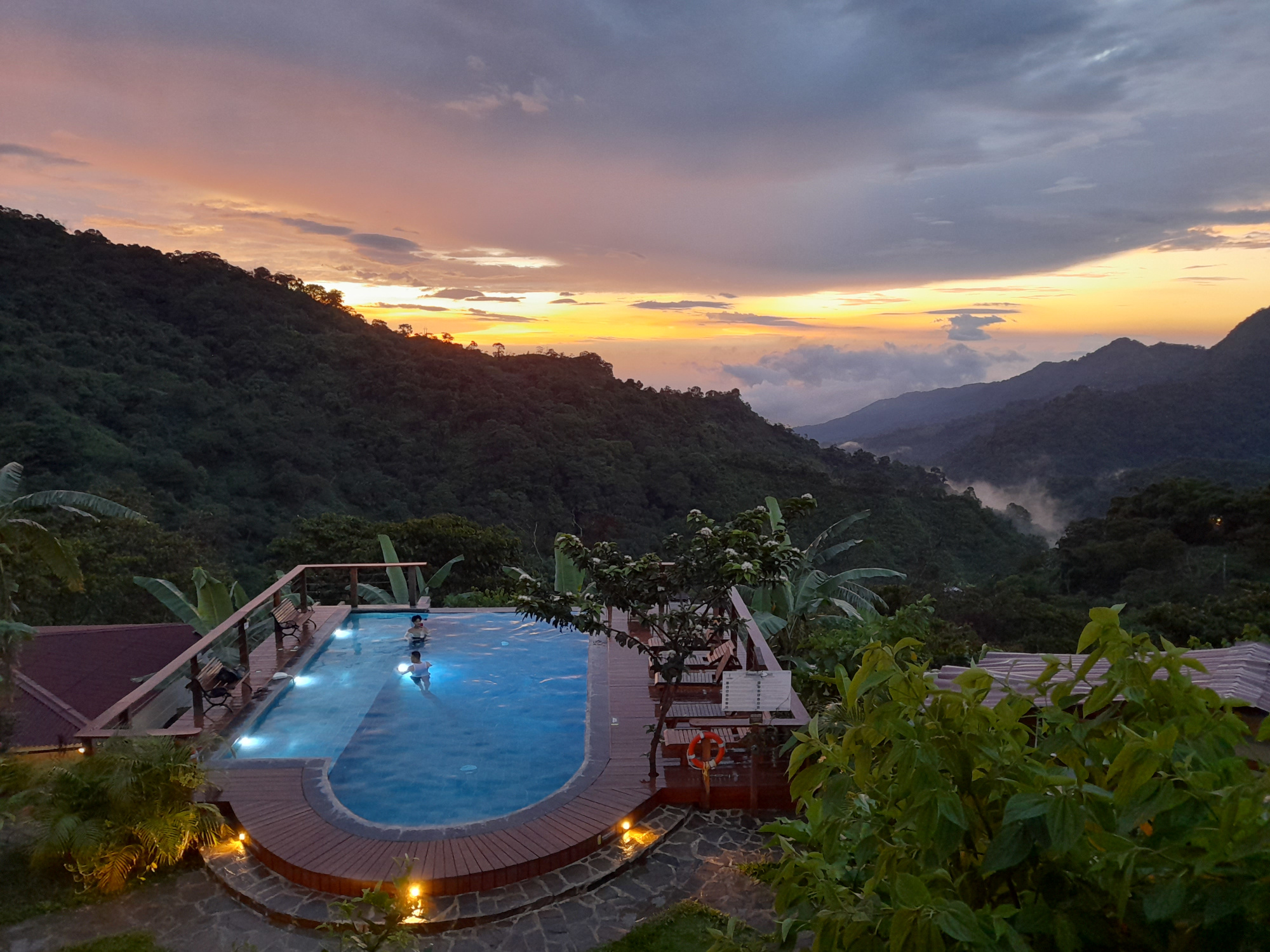
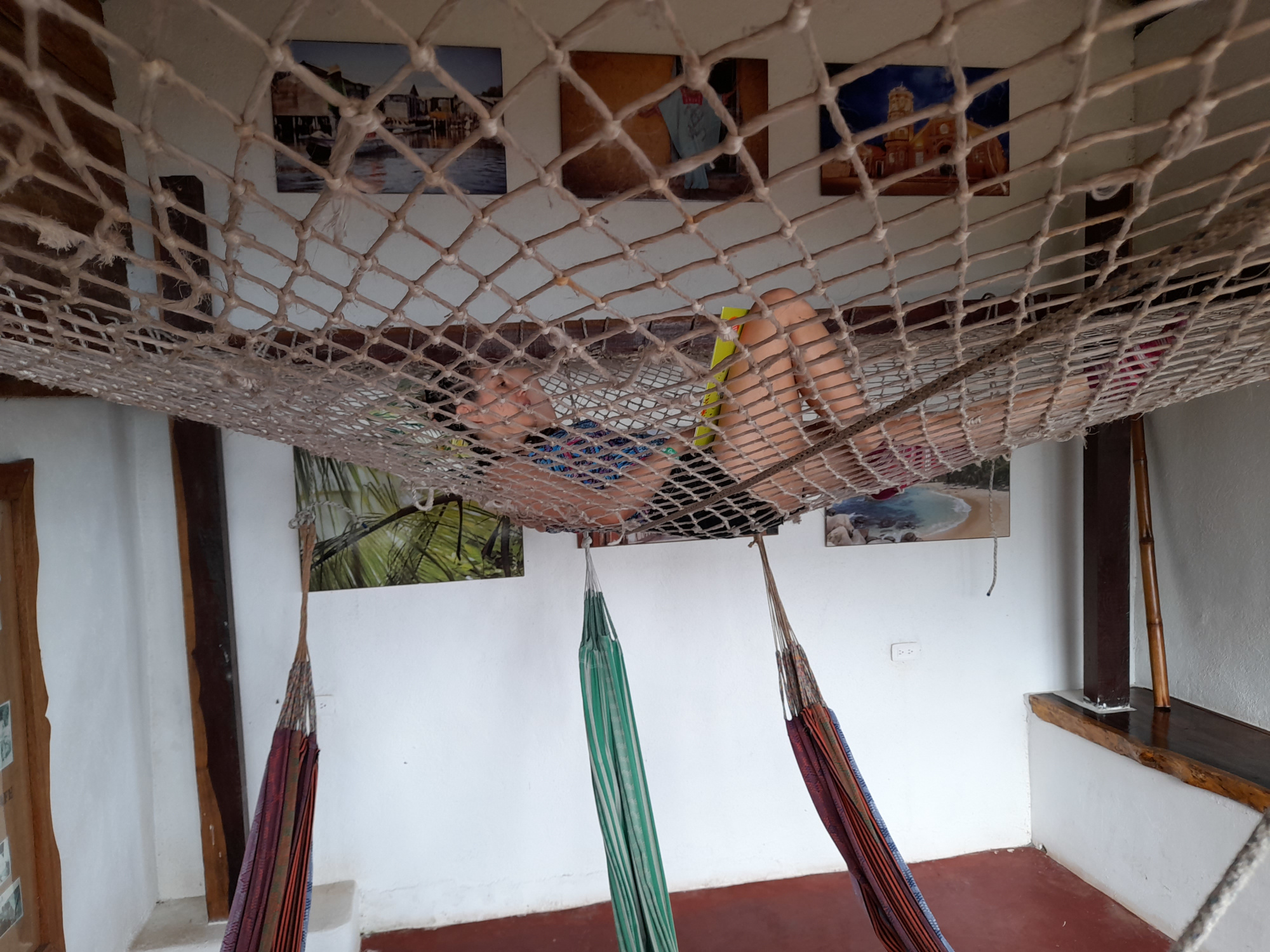
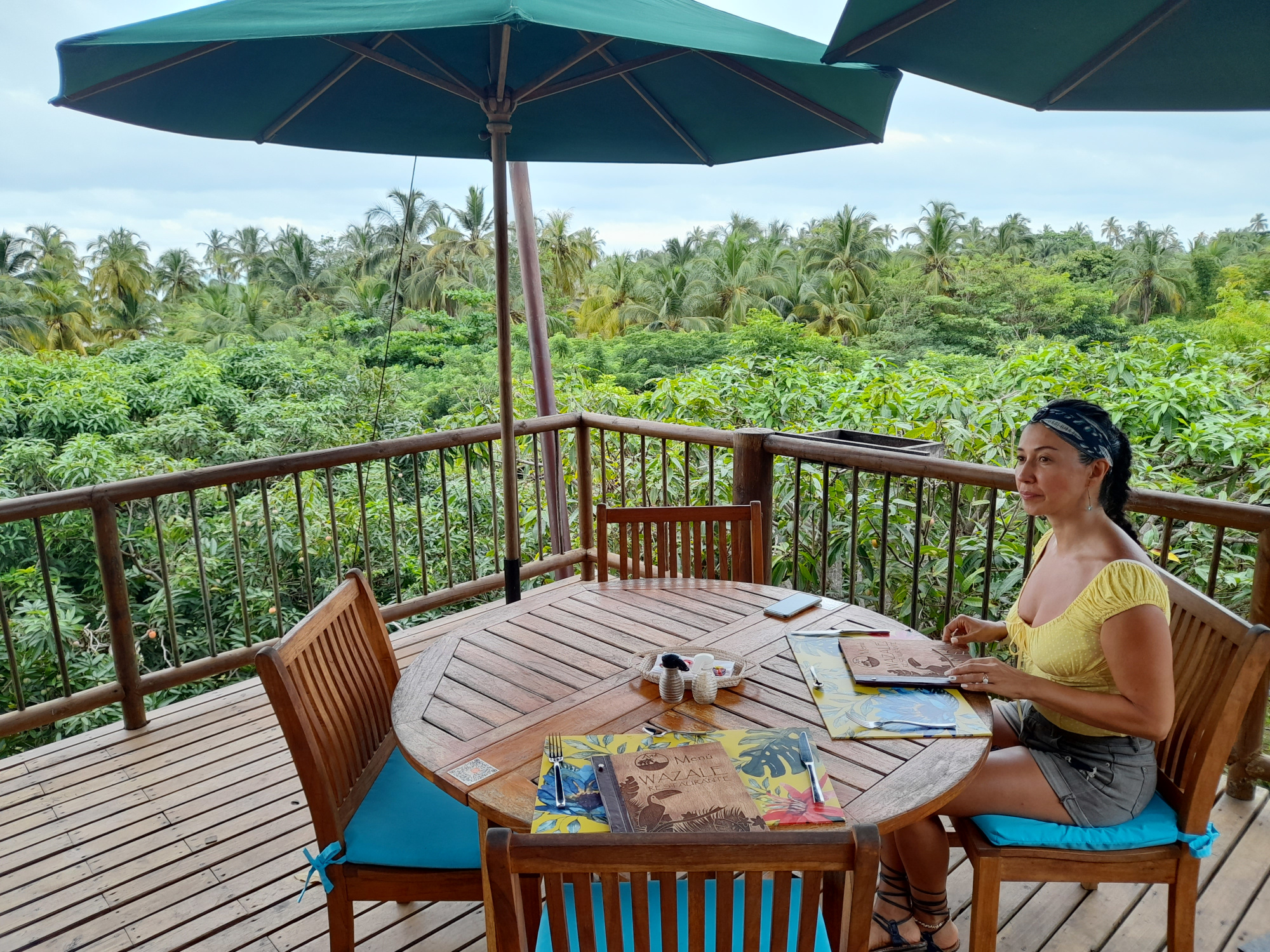
Our trip began in Minca, in the mountains above Santa Marta. It’s a very small town that draws tourists because of the cooler climate, jungle setting and its coffee and chocolate plantations. The idea was to spend some time walking through the jungle, enjoying the nature, but the rain had caused a landslide on the track to the river and made walking less appealing, but that didn’t matter because the hotel was stunning. We happily spent three days by the pool, playing games in the restaurant and lazing in hammocks. In the few hours we spent in town, we discovered a bakery run by a Swiss guy who made a small selection of delicious products that were flavoursome rather than sweet. Highly recommended.

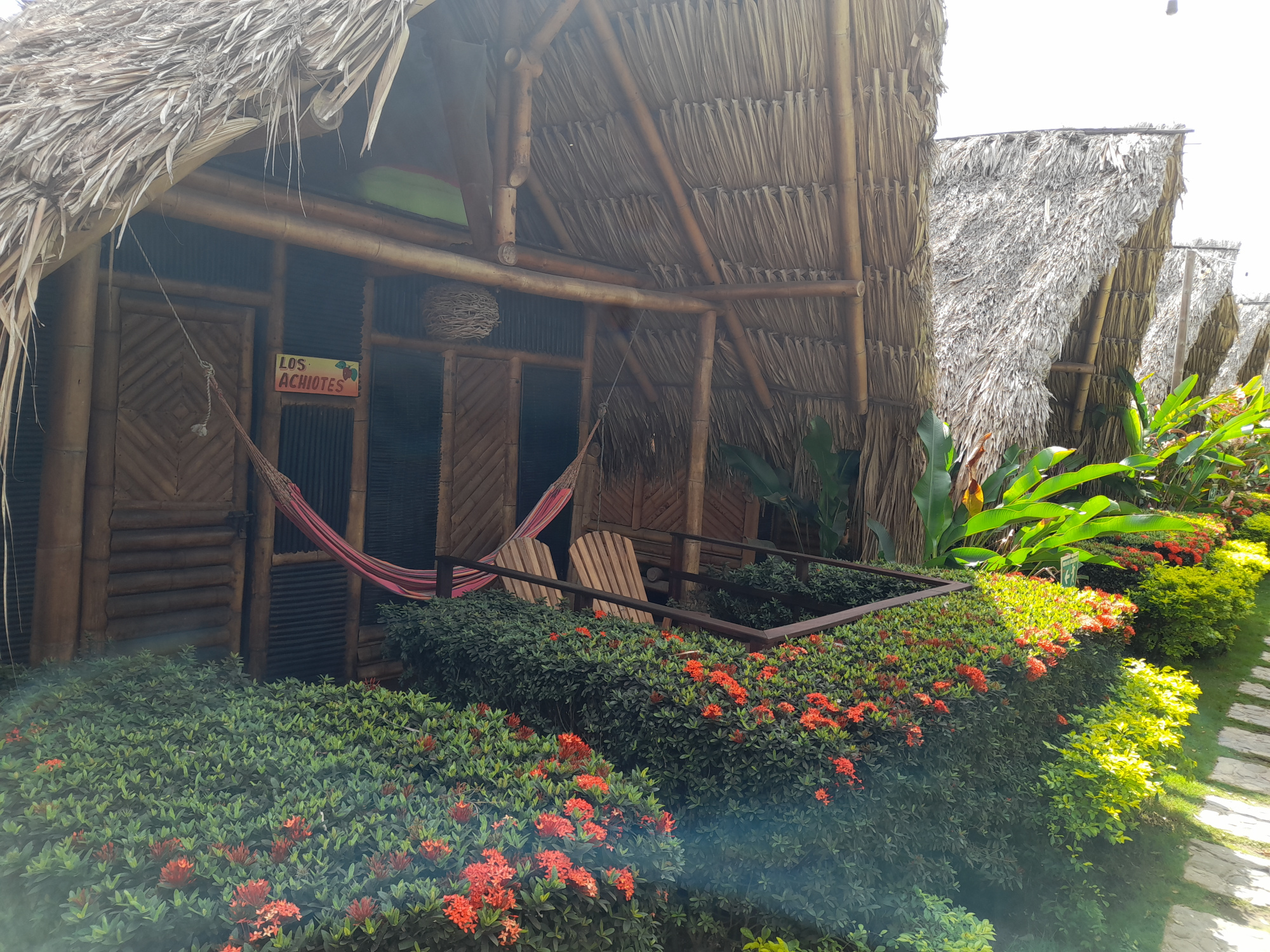
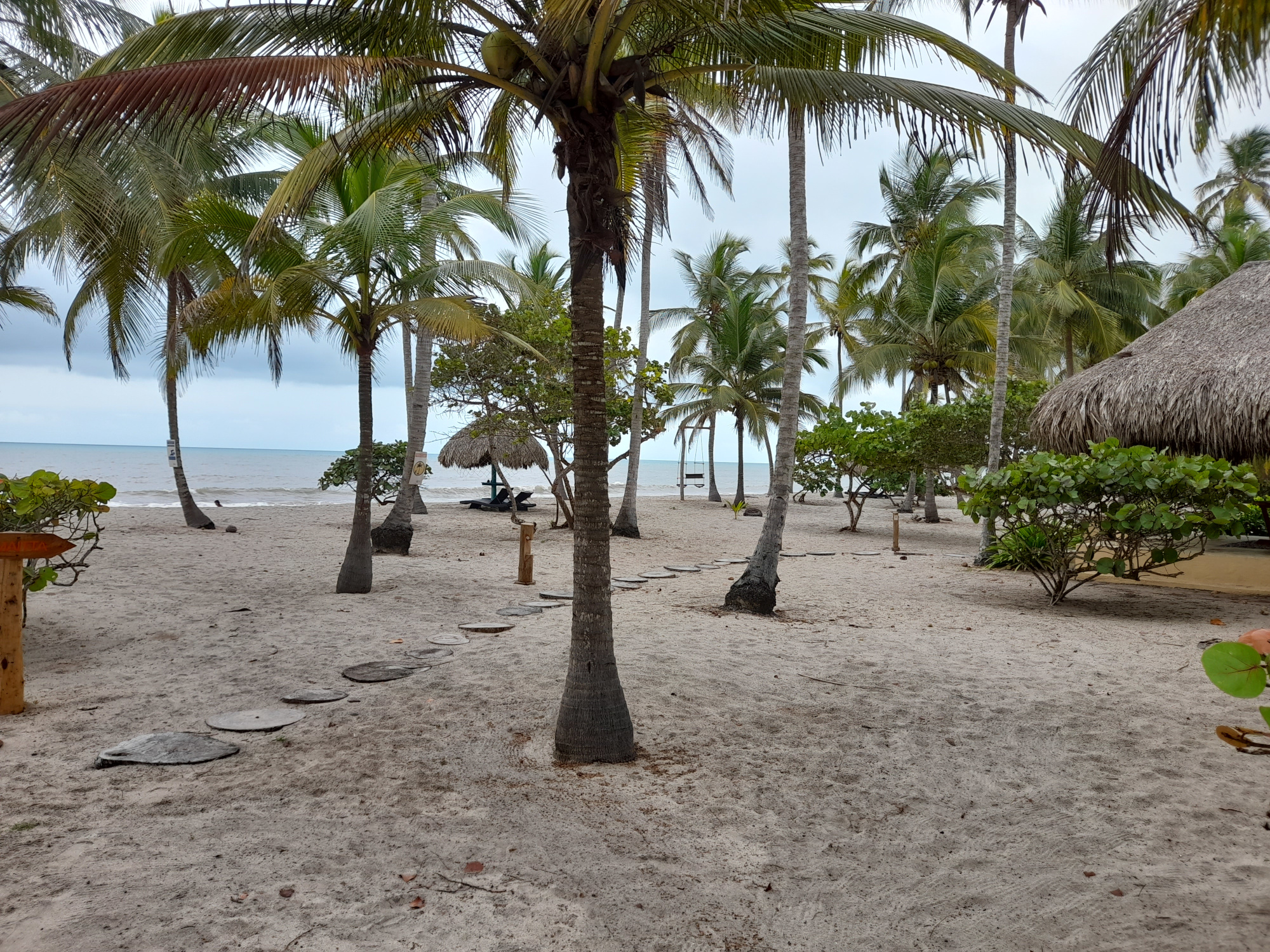
We then spent 5 days in Palomino, a two-minute walk from the beach. Again, our plans to spend time in Park Tayrona, but that didn’t work out. We looked at the activities available around the hotel and decided that 2 hours was too long for tubing, and that visiting indigenous communities would be intrusive, so we mostly stayed around the hotel. Aside from a frog beside the basin scaring Sandra, our bungalo was very comfortable. the pool fresh and the hammock as good as always. We celebrated the actual anniversary with a horse ride through the jungle and pina coladas in the pool. It turned out to be the best horse ride I’ve had in many years and Sandra enjoyed her second experience on horseback.

We came home very relaxed.

Guatapé

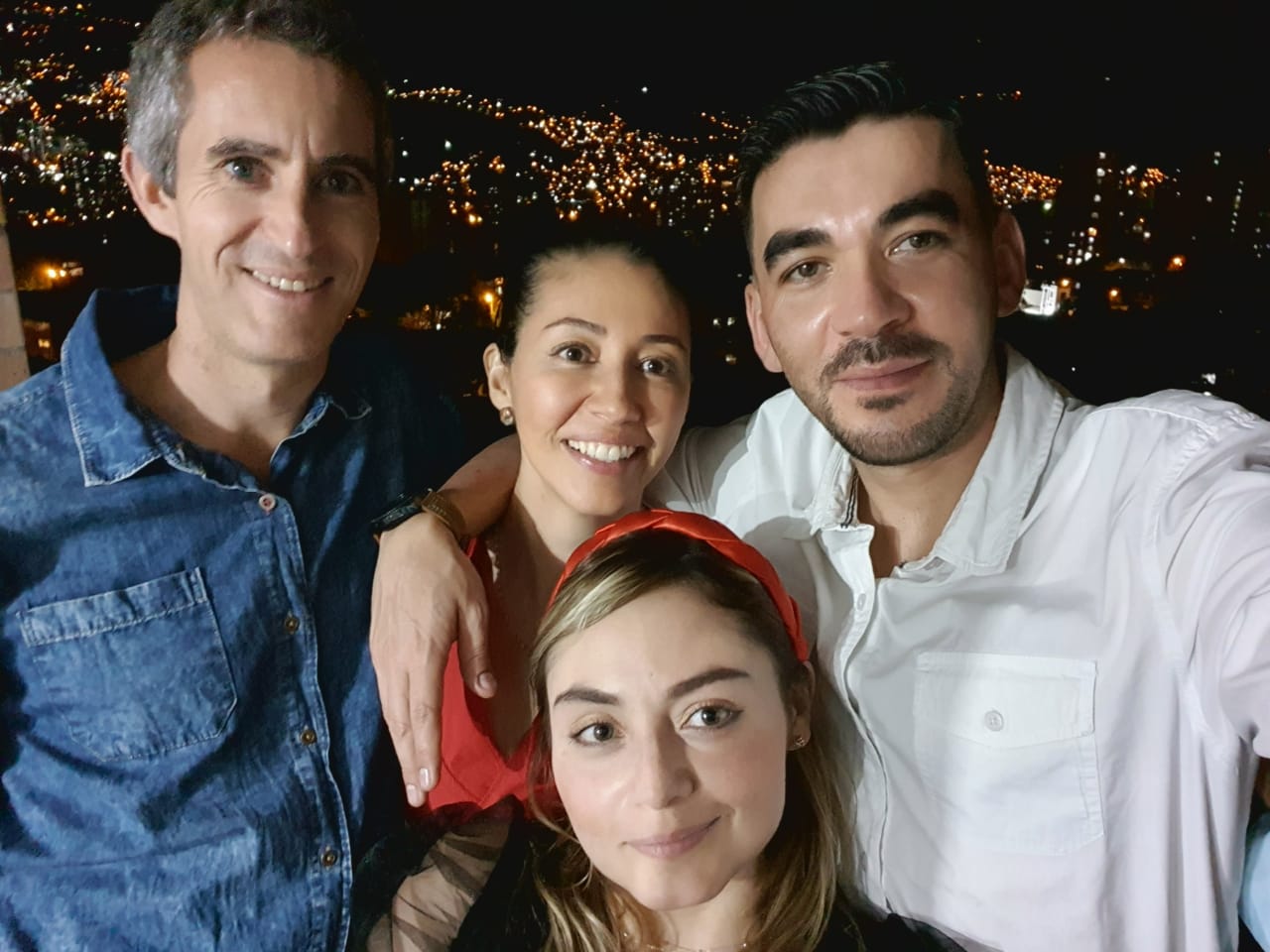
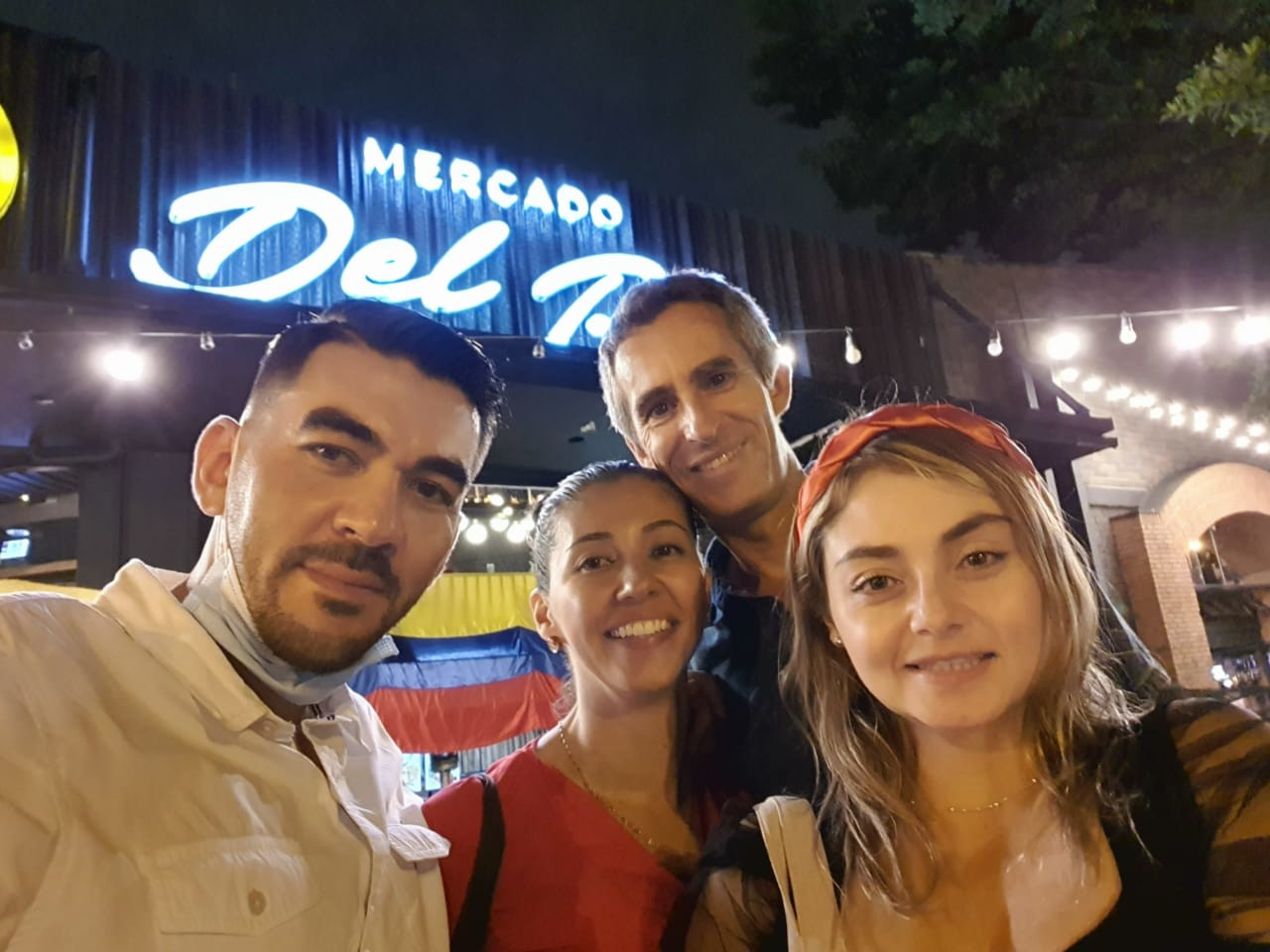
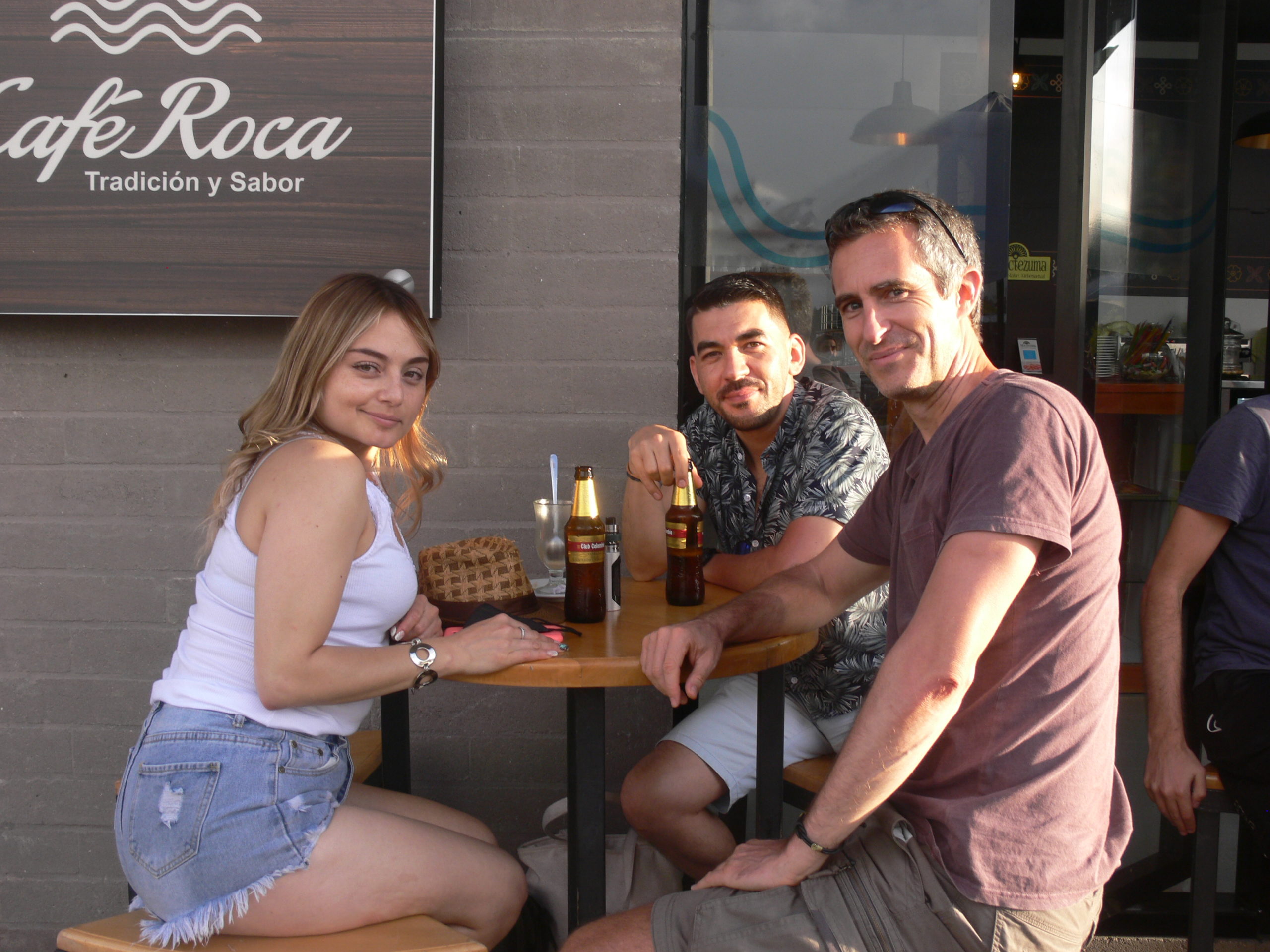
Sandra’s brother Andres came to Medellin with his new girlfriend Johanna, and we decided to all go to Guatapé together for a weekend. They arrived on Friday evening and briefly visited our flat before we went for an Indian dinner at Mercado del Rio.

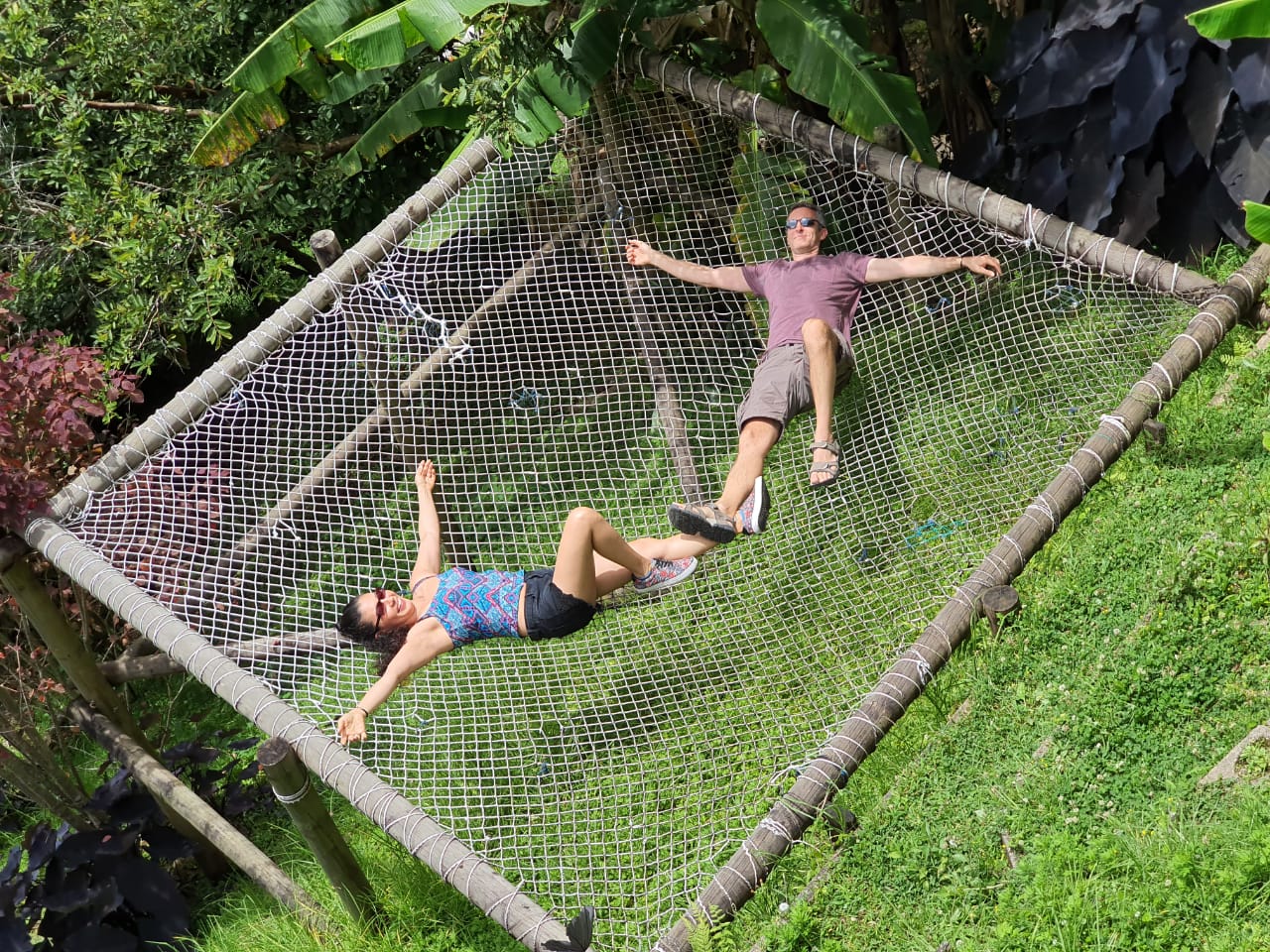
Early Saturday morning we left for Guatapé, a few hours drive from Medellin. We stayed in a B&B just before town. It had an incredible view of the water from its back yard, and a giant net for relaxing in.

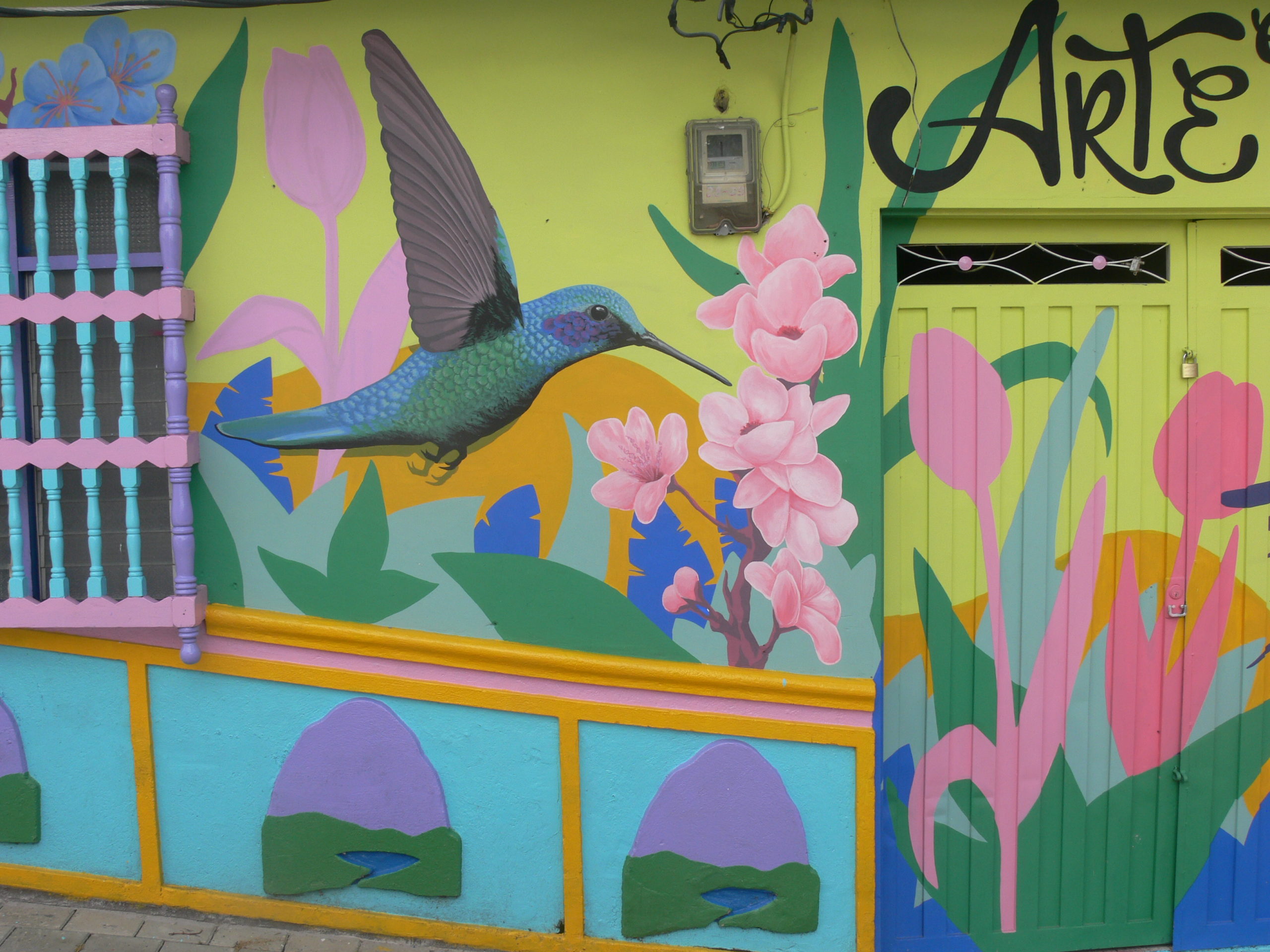
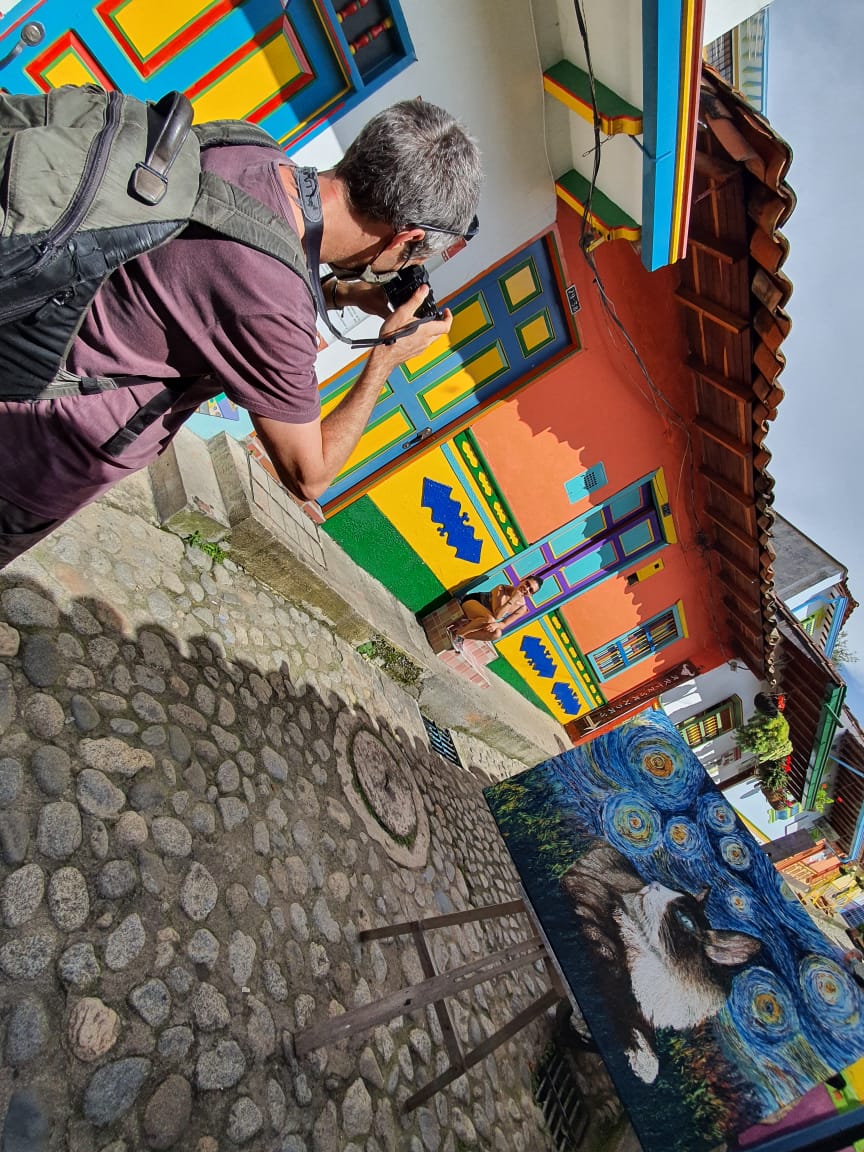
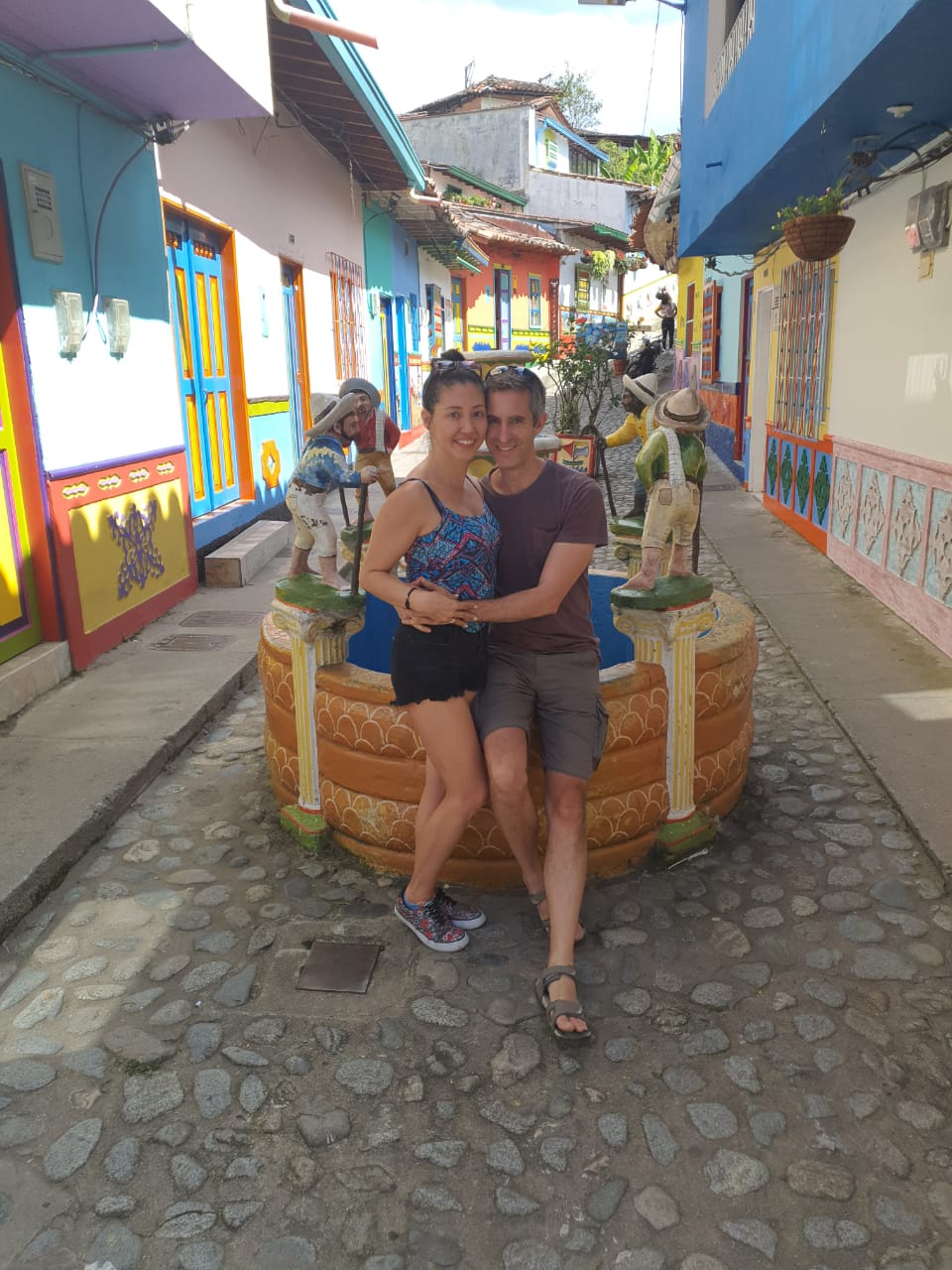
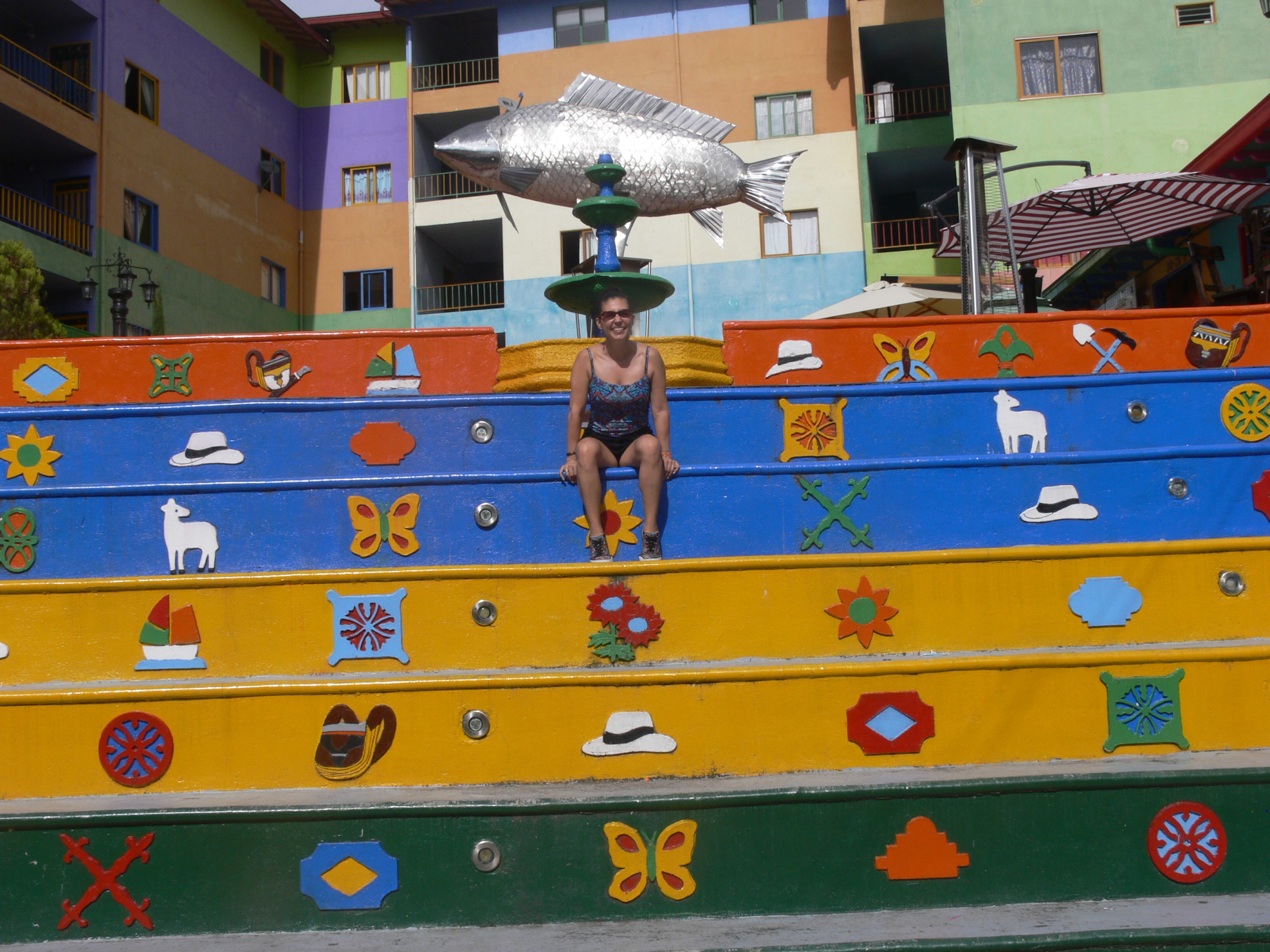
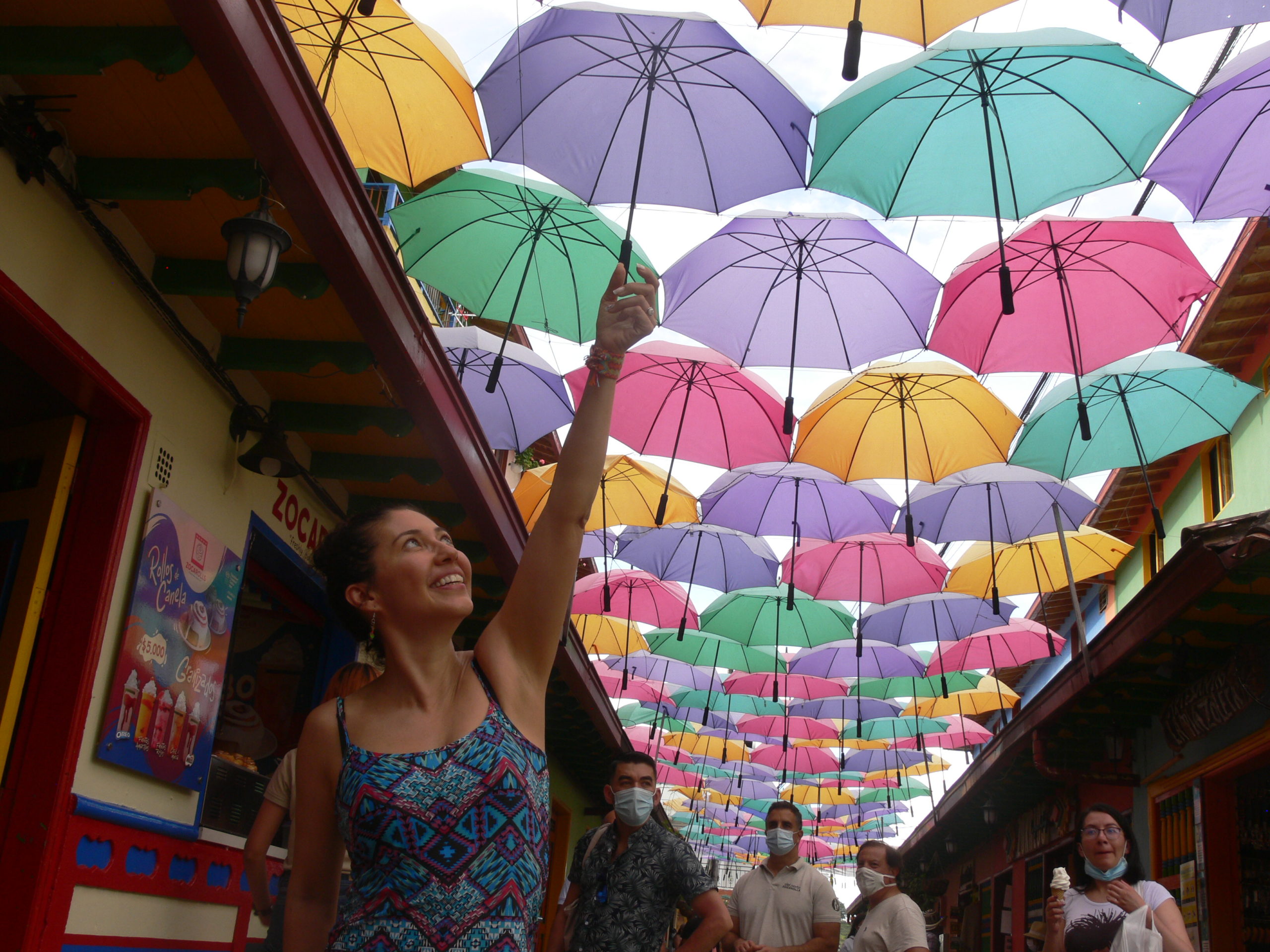
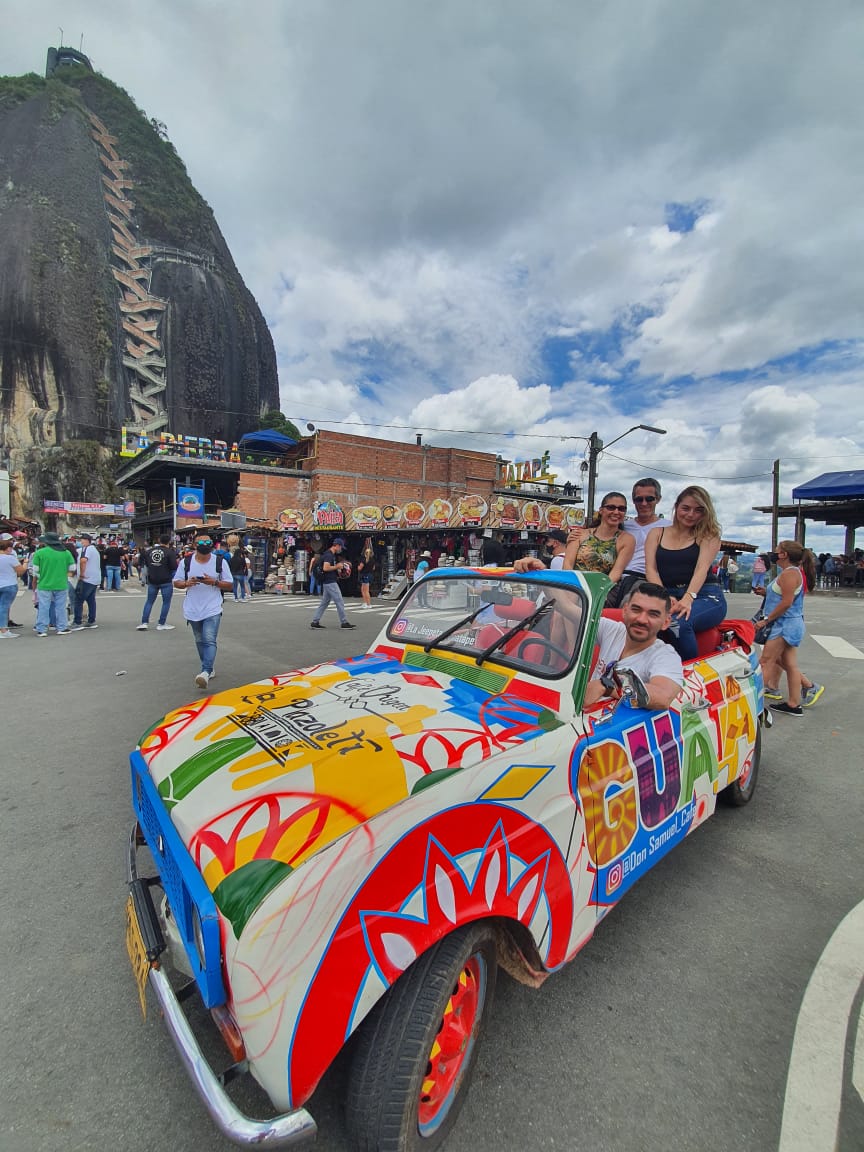
We spent the afternoon wandering around town, enjoying the vibrant colours and the 3D murals that decorate many of the Colonial towns around here. Guatapé is the most tourist-filled town in Antioquia, and has plenty to entertain including breweries on the waterfront.

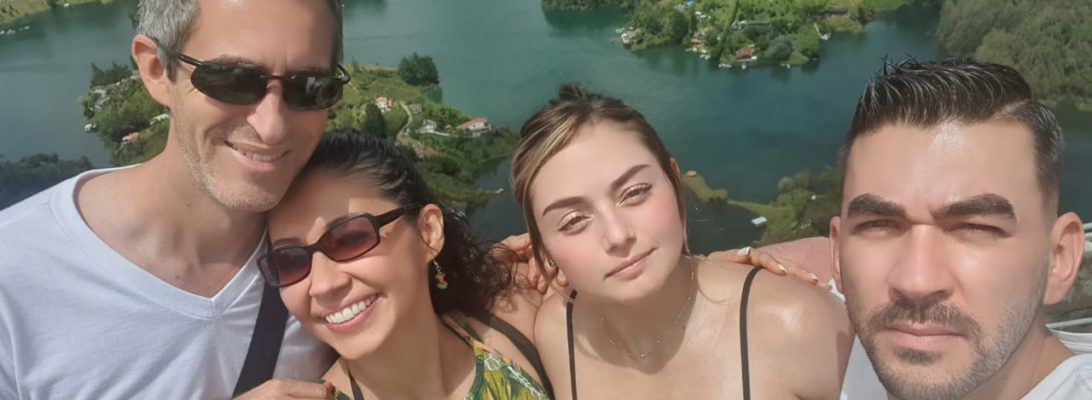
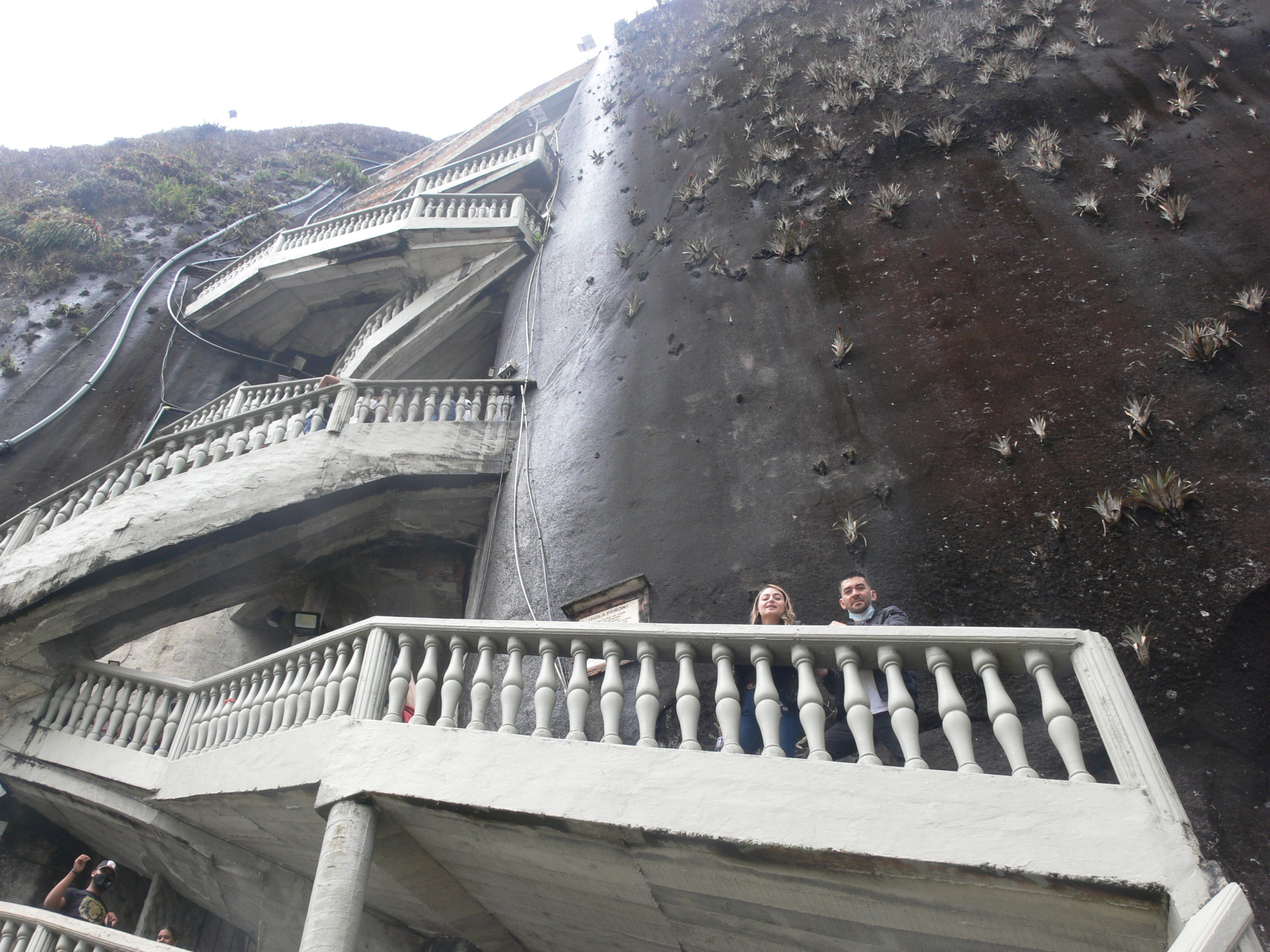
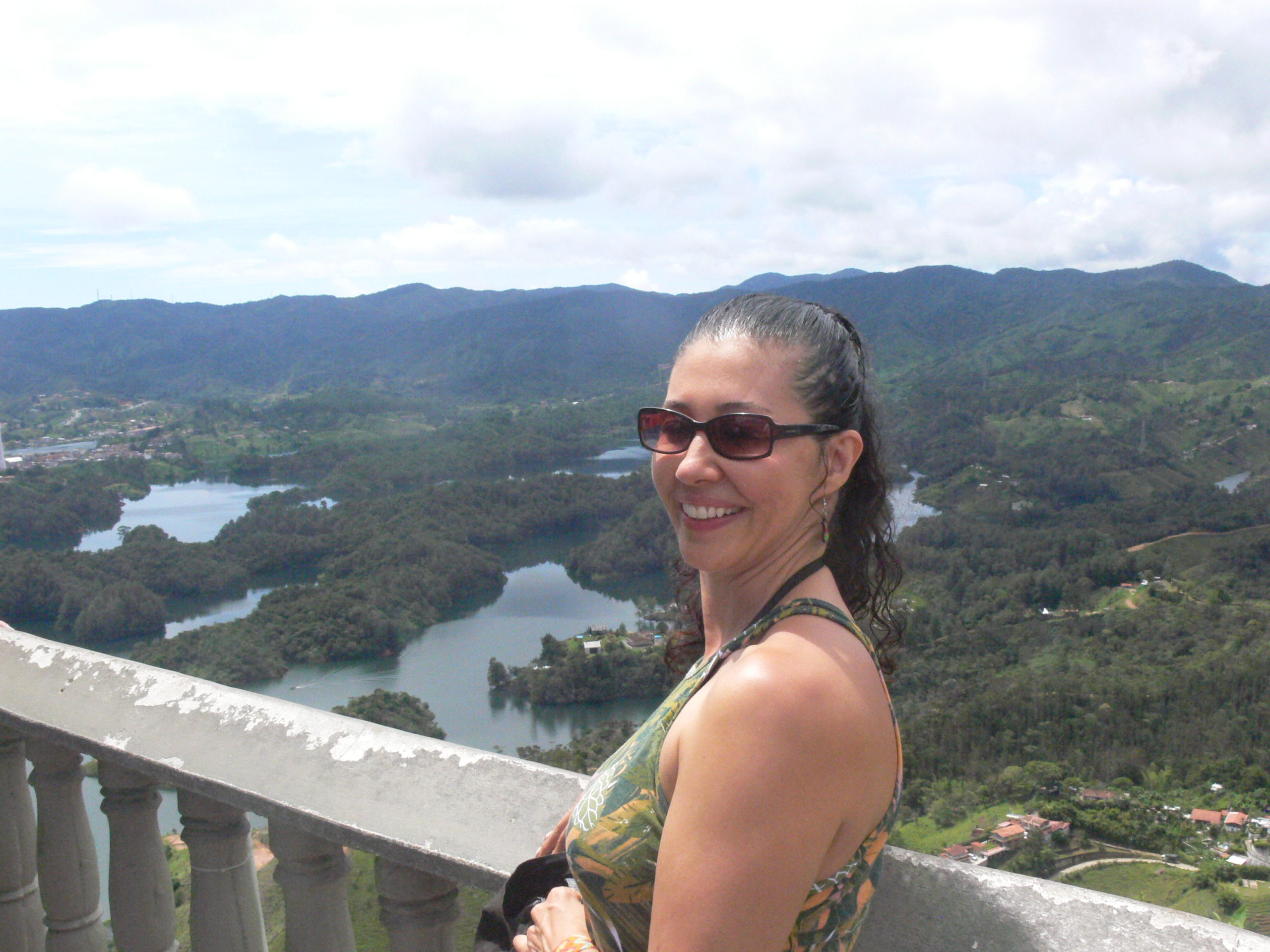
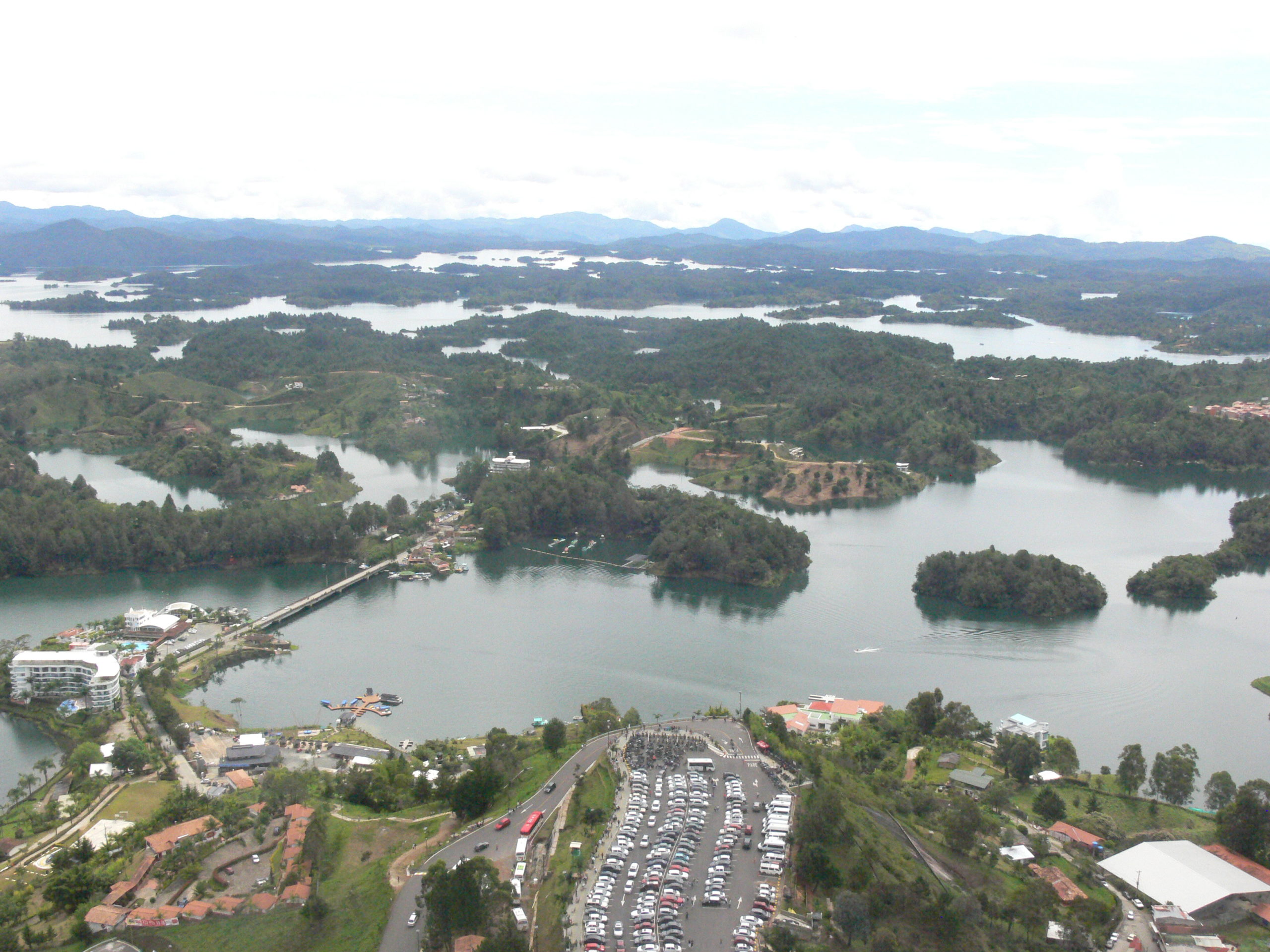
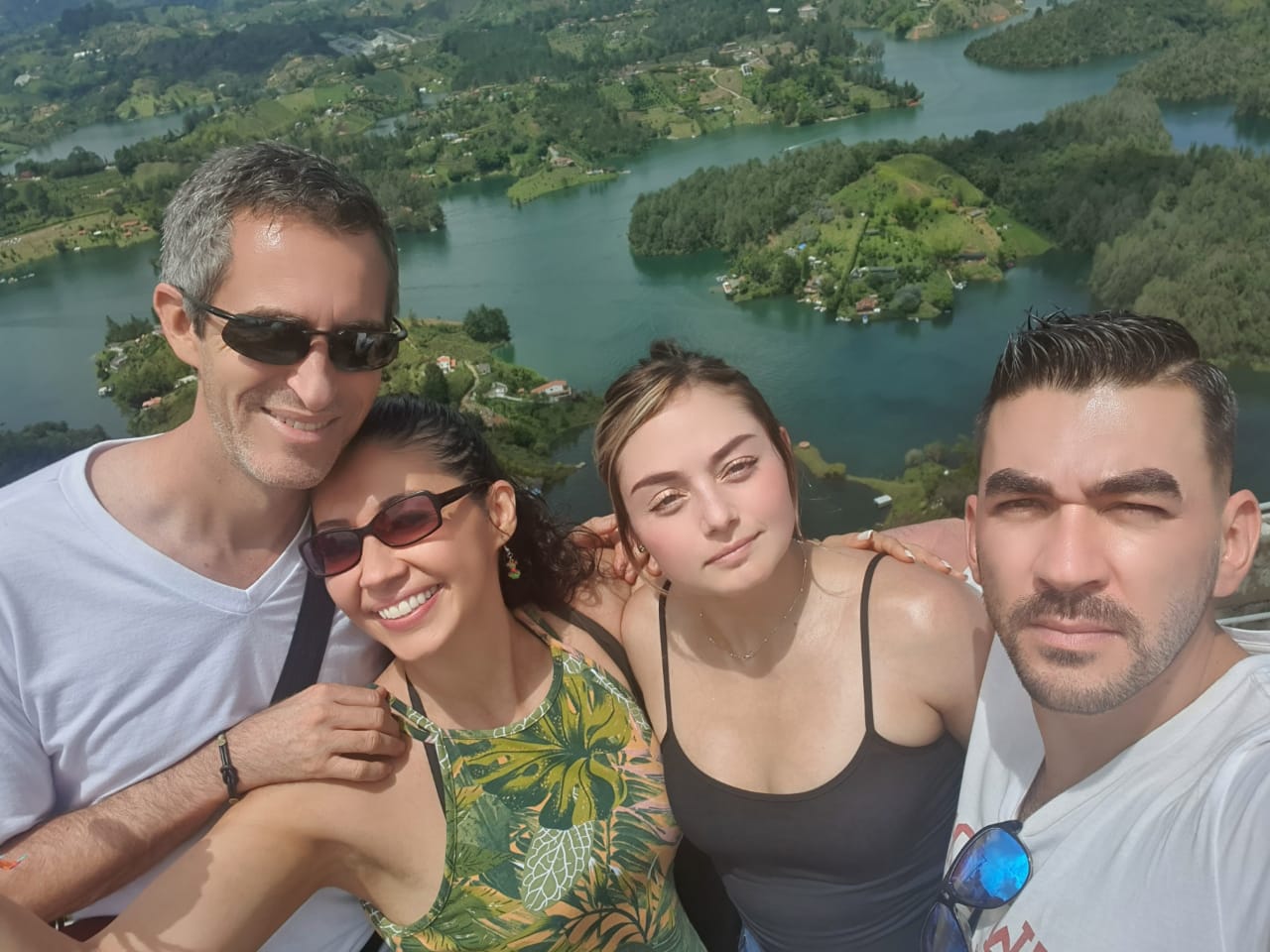
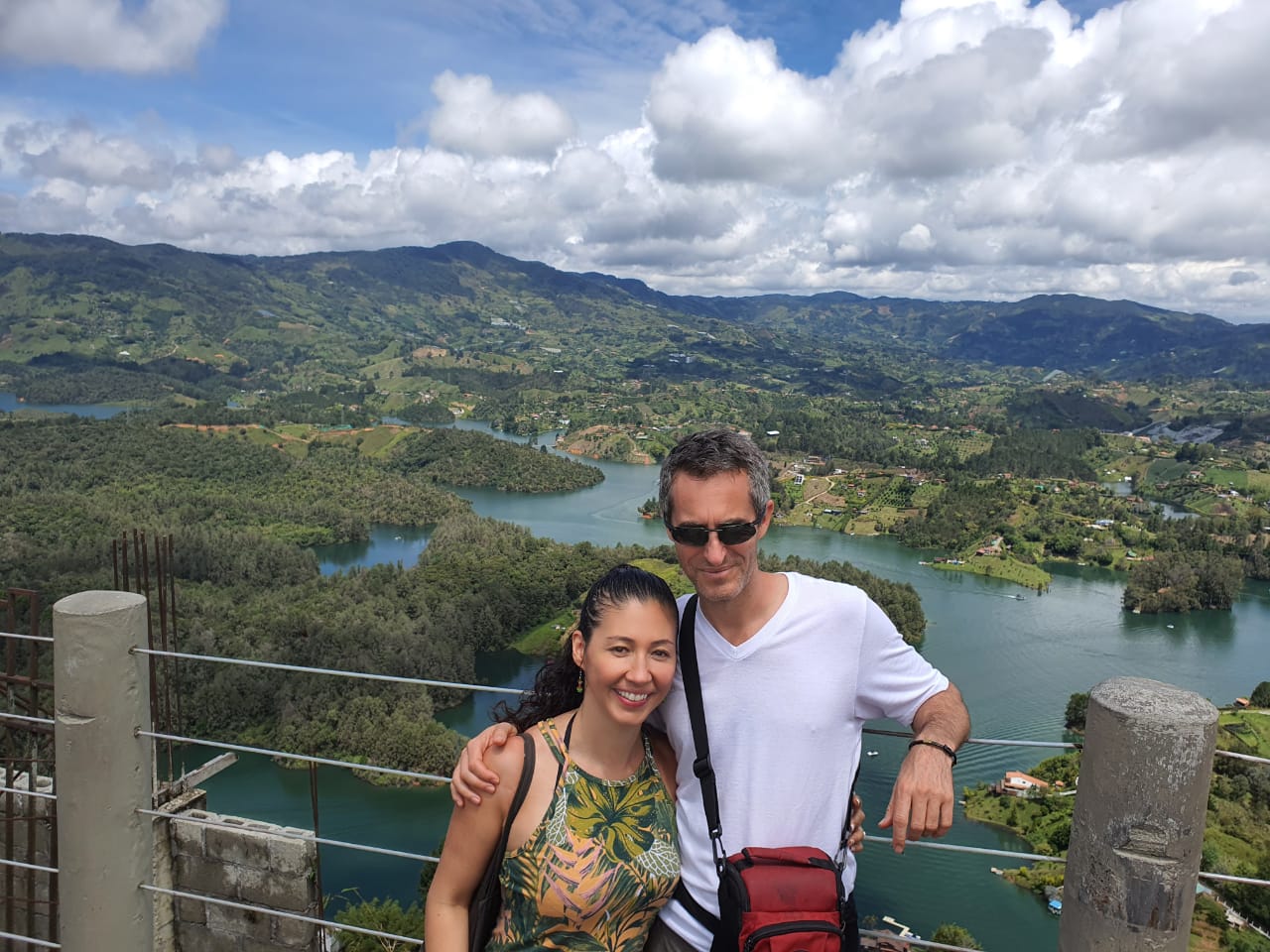
On Sunday morning we all made the trek up the 800 steps to the top of the famous rock spire. Last time I’d been up here it was pouring rain, so the merely cloudy skies this time were a relief, and they couldn’t hide the stunning views of the lake meandering among the mountains. It was a beautiful weekend and a great time for me to get to know Andres better.

If we’d been thinking more clearly, Sandra and I would have taken a bus back to Medellin and let Andres and Johanna leave for Bogota directly from Guatapé, but instead Andres drove us back, adding a few hours to his long, long drive.