[pgc_simply_gallery id="952"]
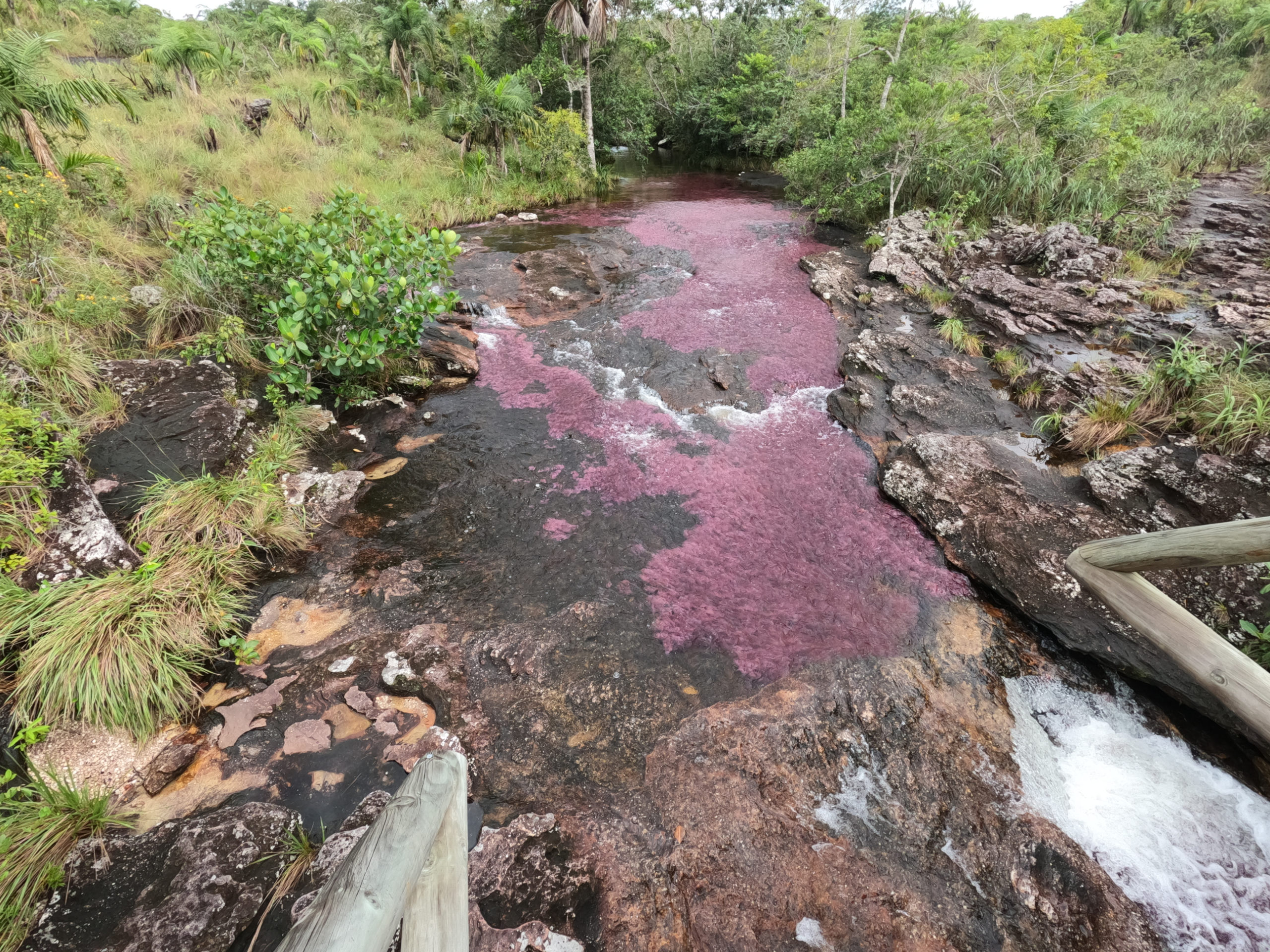
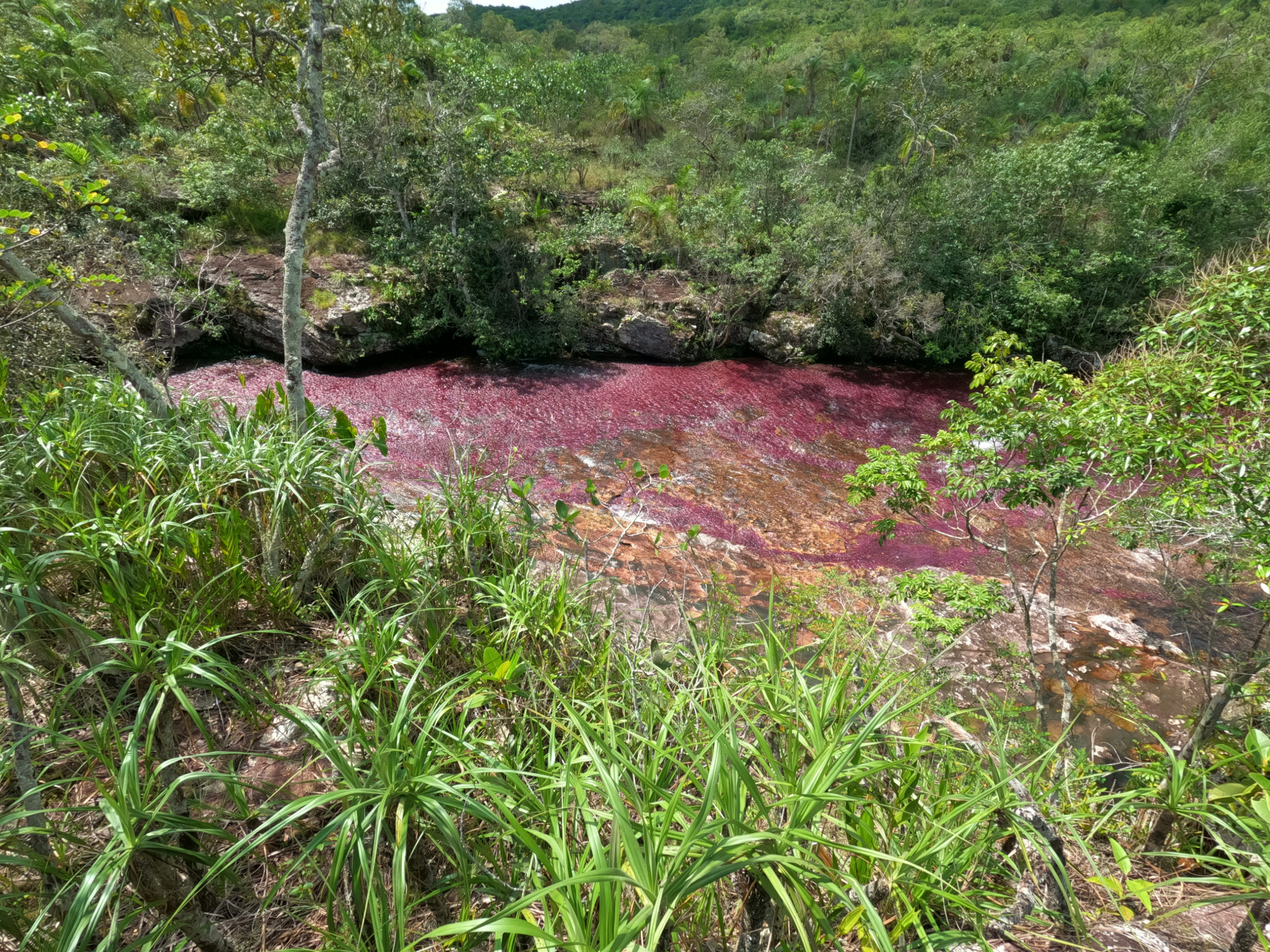
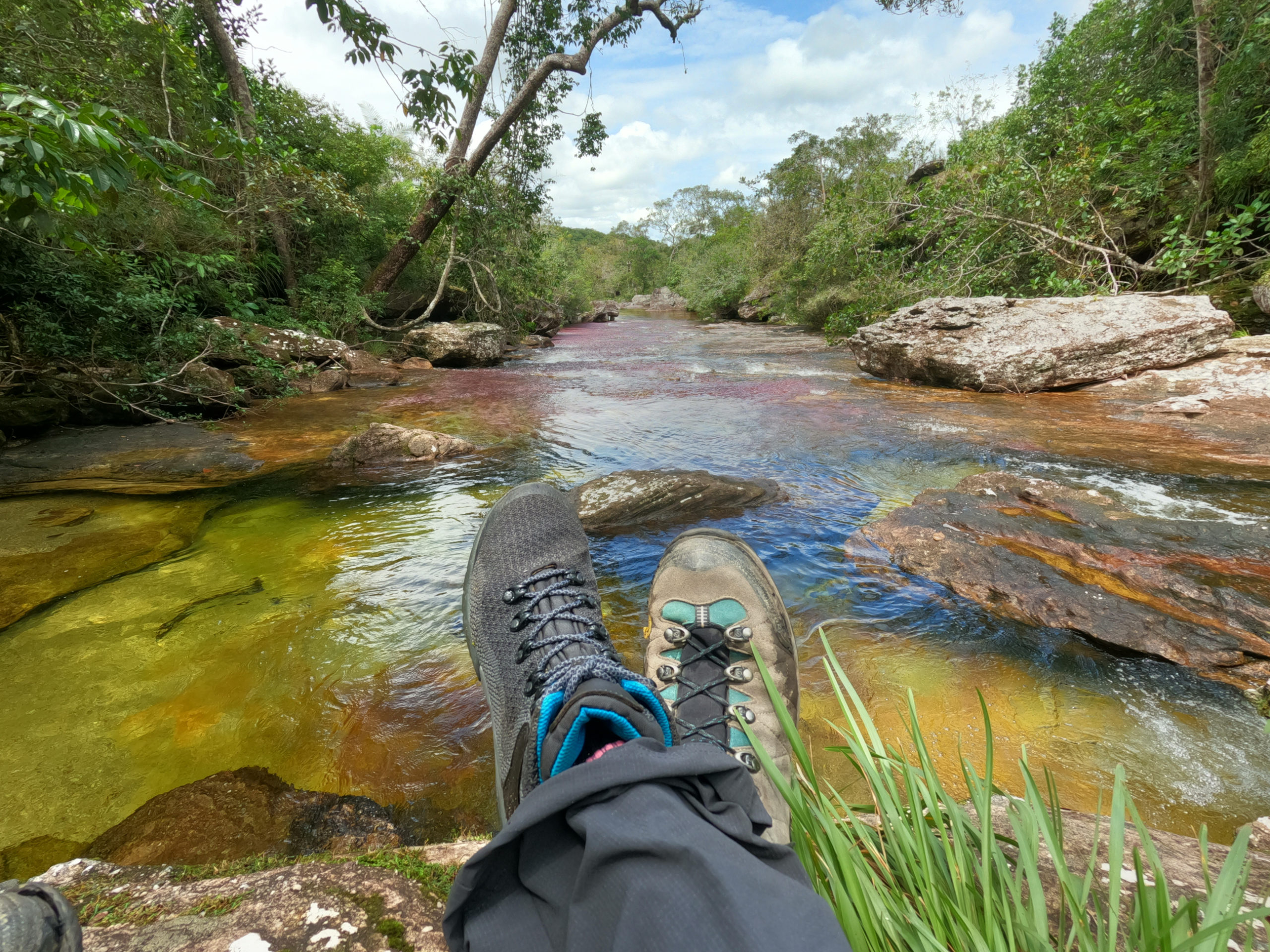
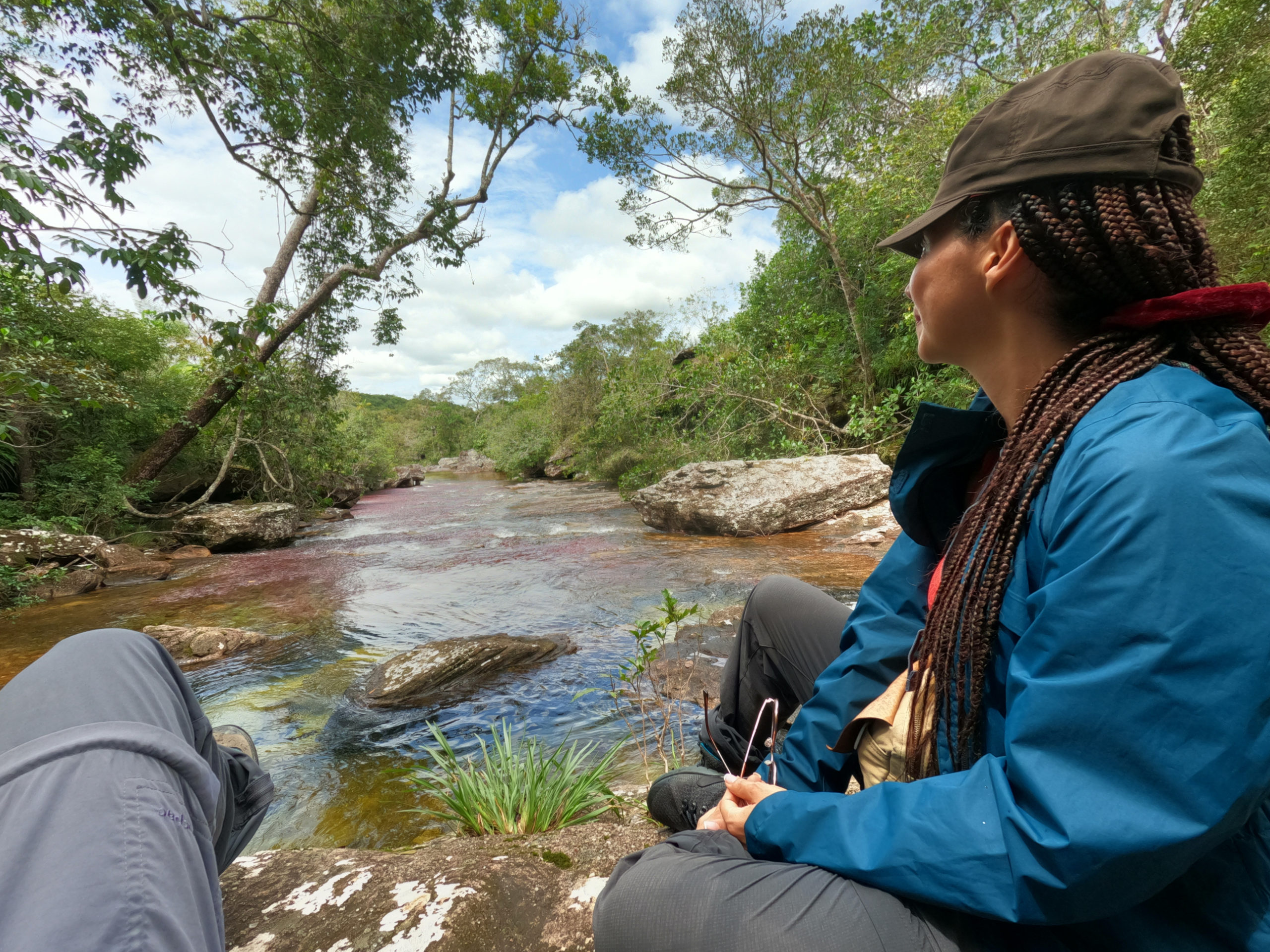
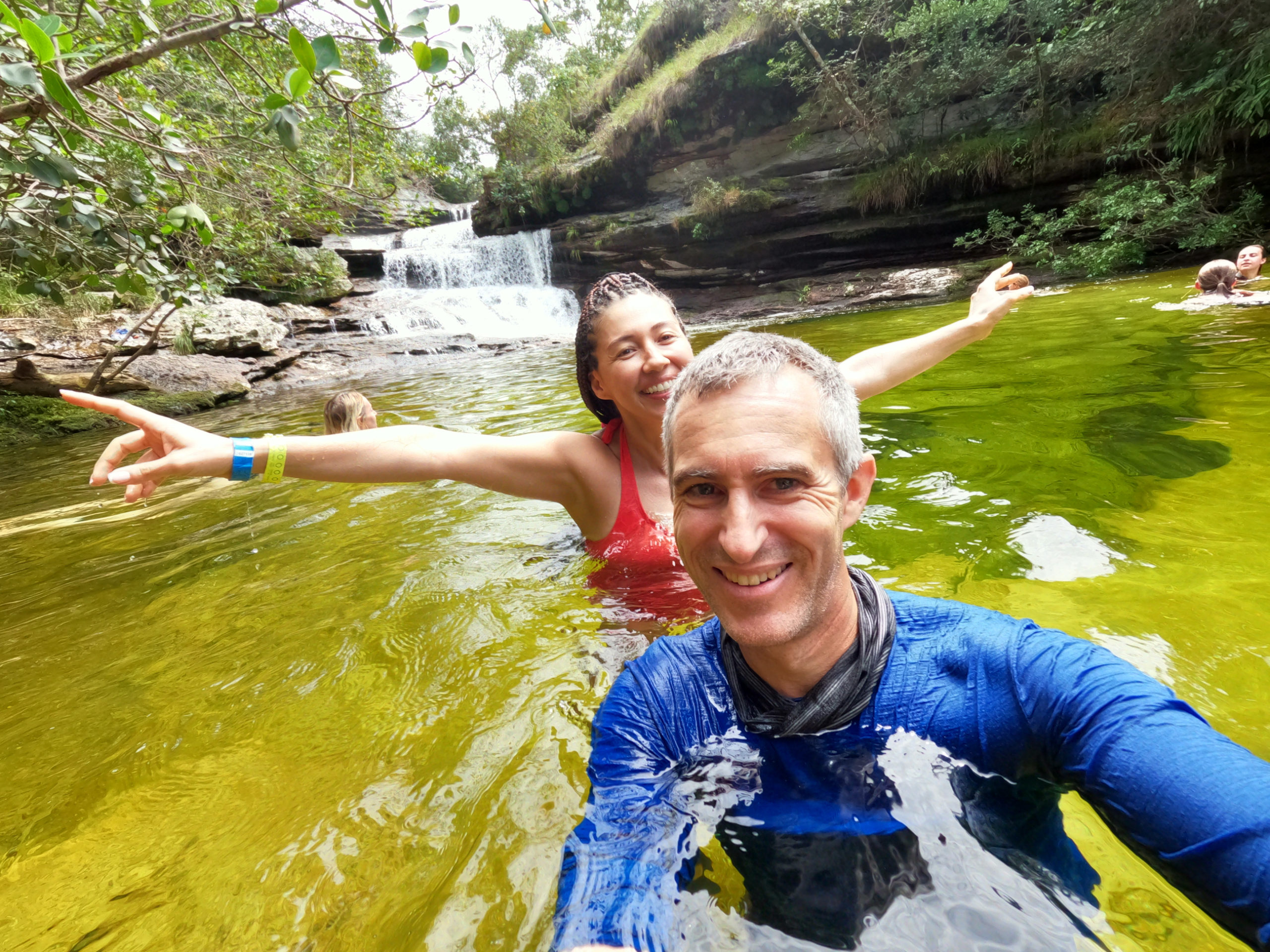
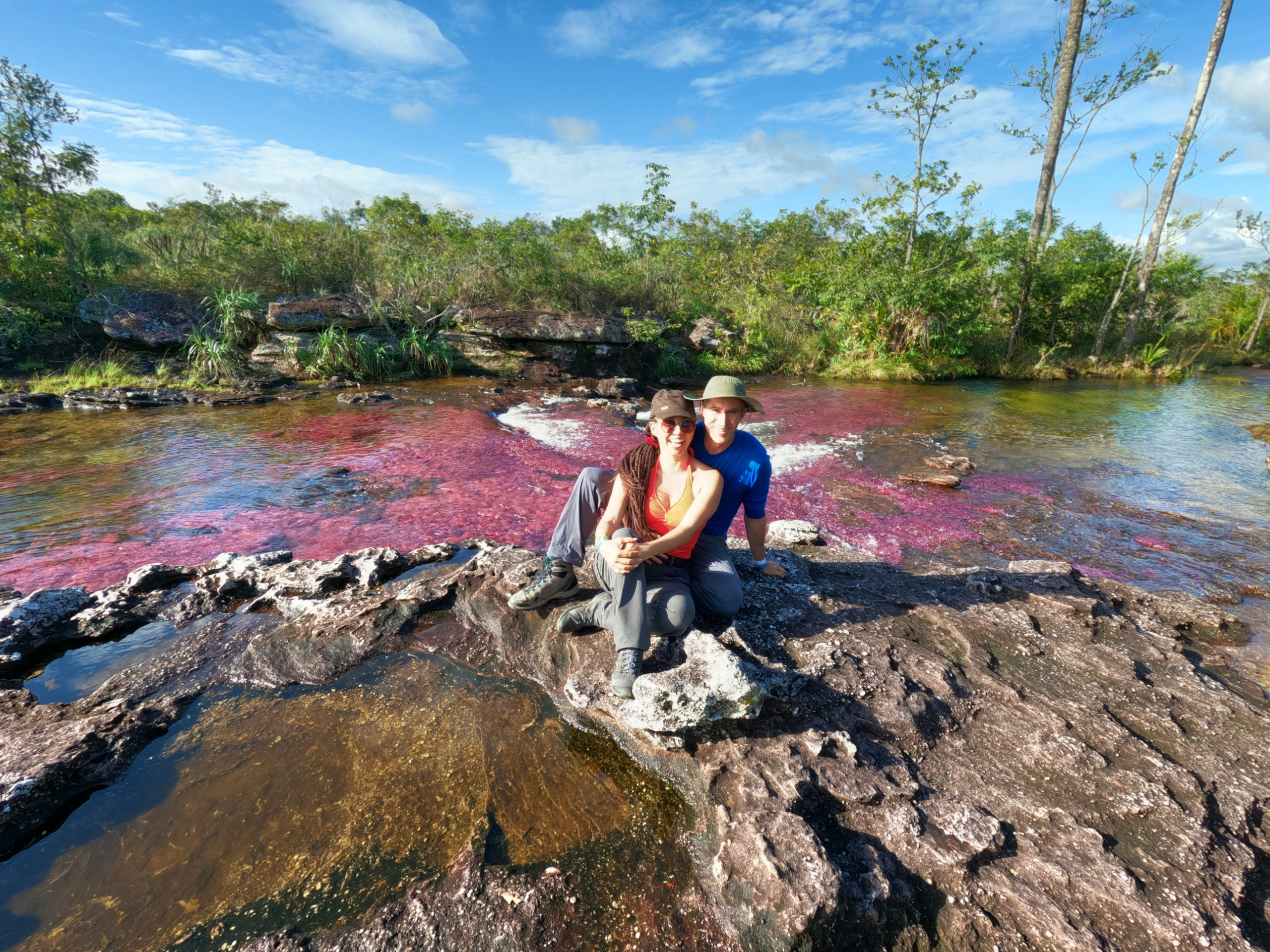
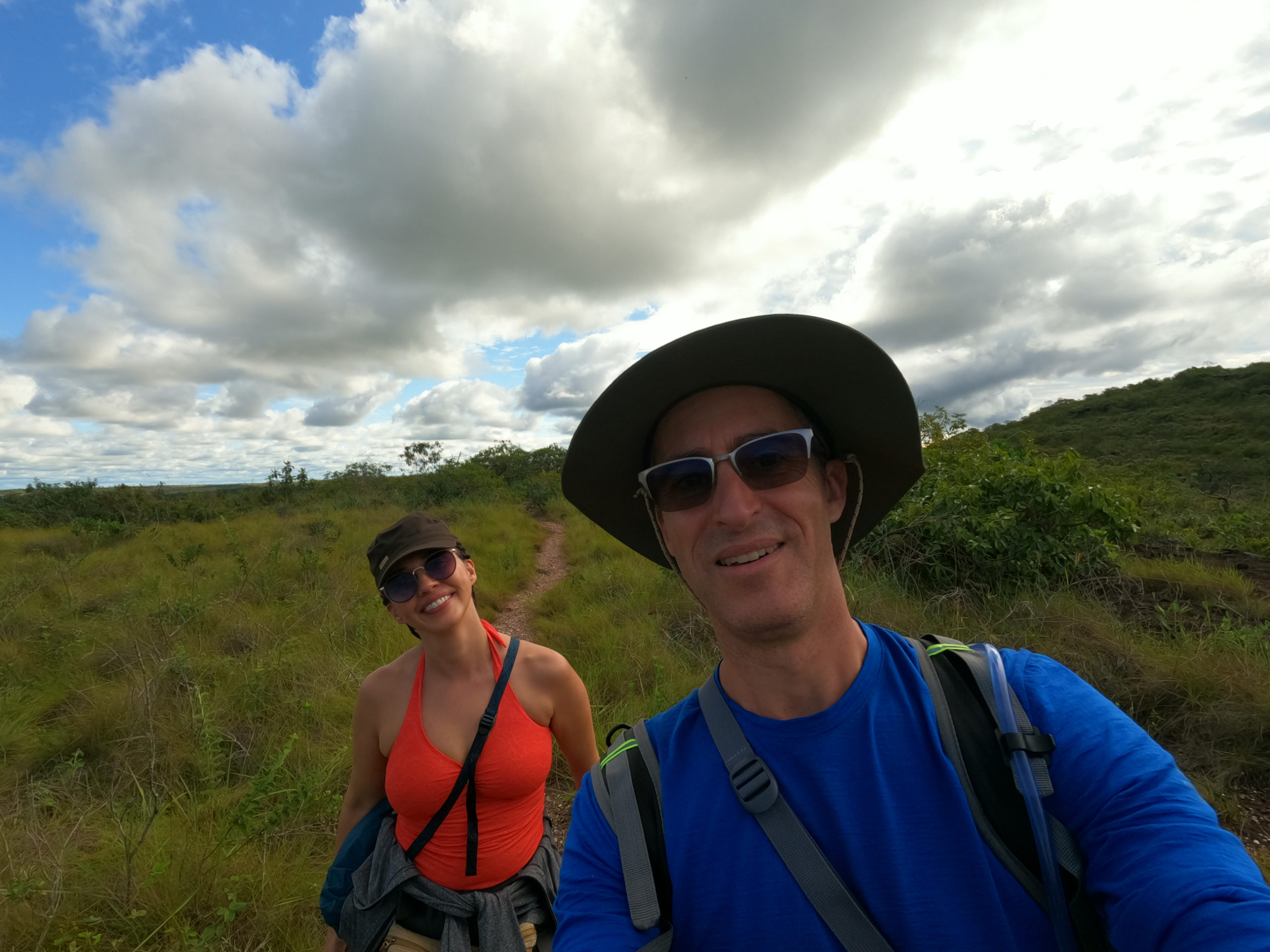
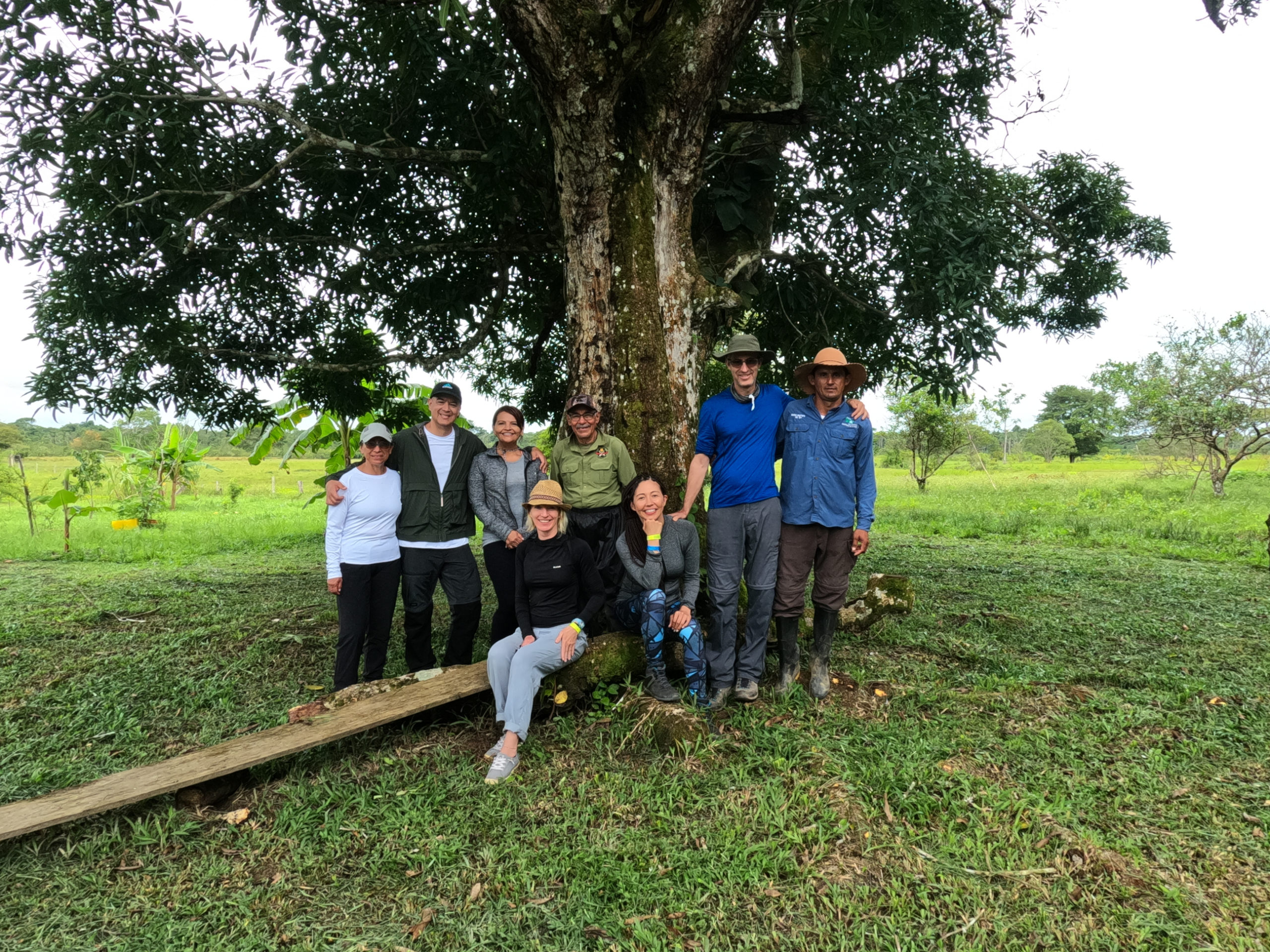
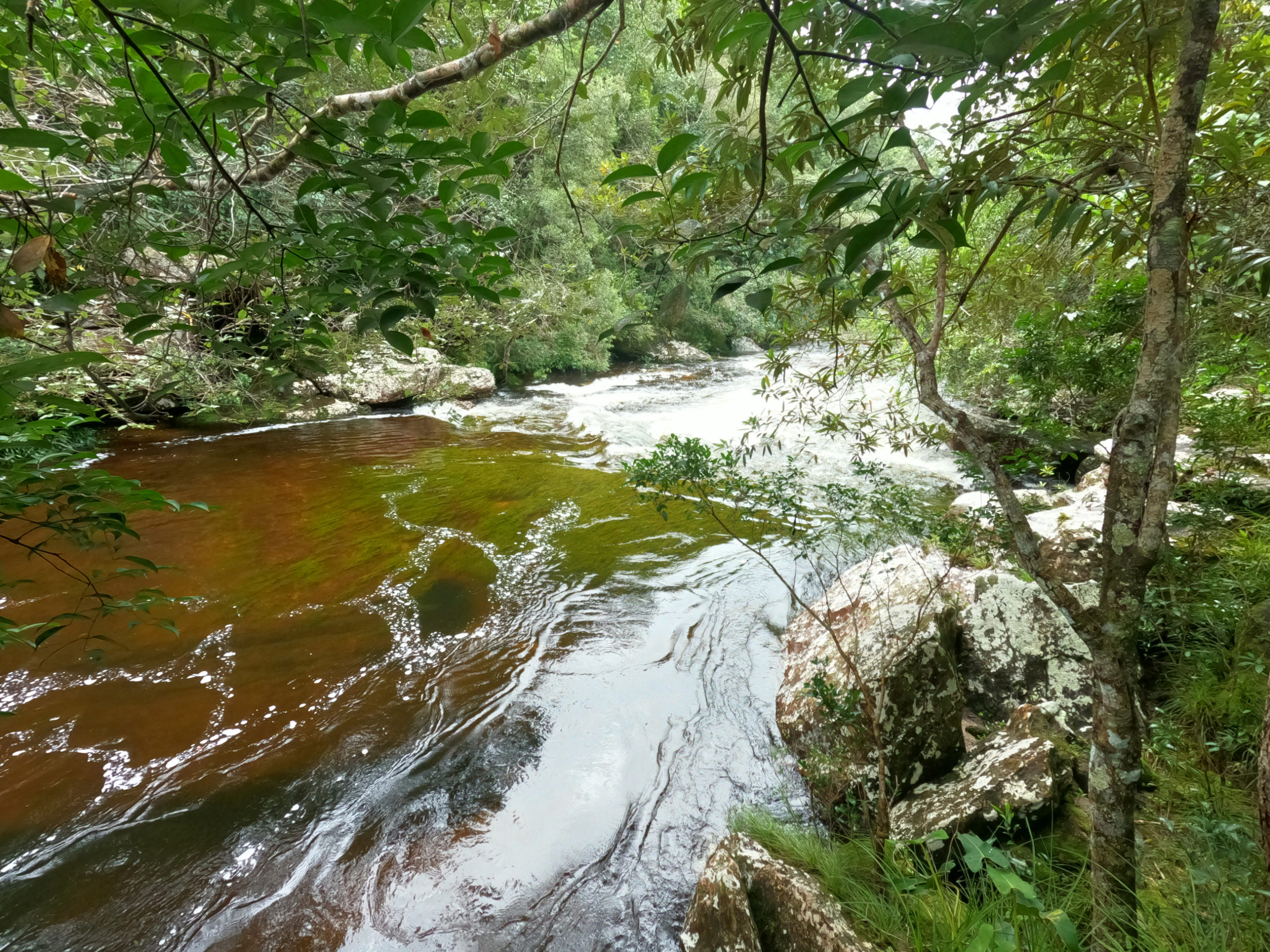
Sandra recently met Lana, a Swiss girl at Euphoria, where we’ve been learning to dance (better). She invited us to join her on a tour of Colombia’s Crystal Canyon, home to the Rainbow River, one of the most spectacular sights in Colombia. Of course we jumped at the chance.
We were happy to find ourselves grouped with a friendly couple from Medellin and a friendly, knowledgeable guide, though that could probably be said for all of the guides operating in the area. Our 52 seat, propeller-driven aeroplane landed on the edge of the small town of La Macarena, where we were welcomed, tagged and shown an introductory video outlining the rules we must follow to keep the river safe. The most problematic was that no chemicals were allowed in the river, which meant no wearing sunscreen.
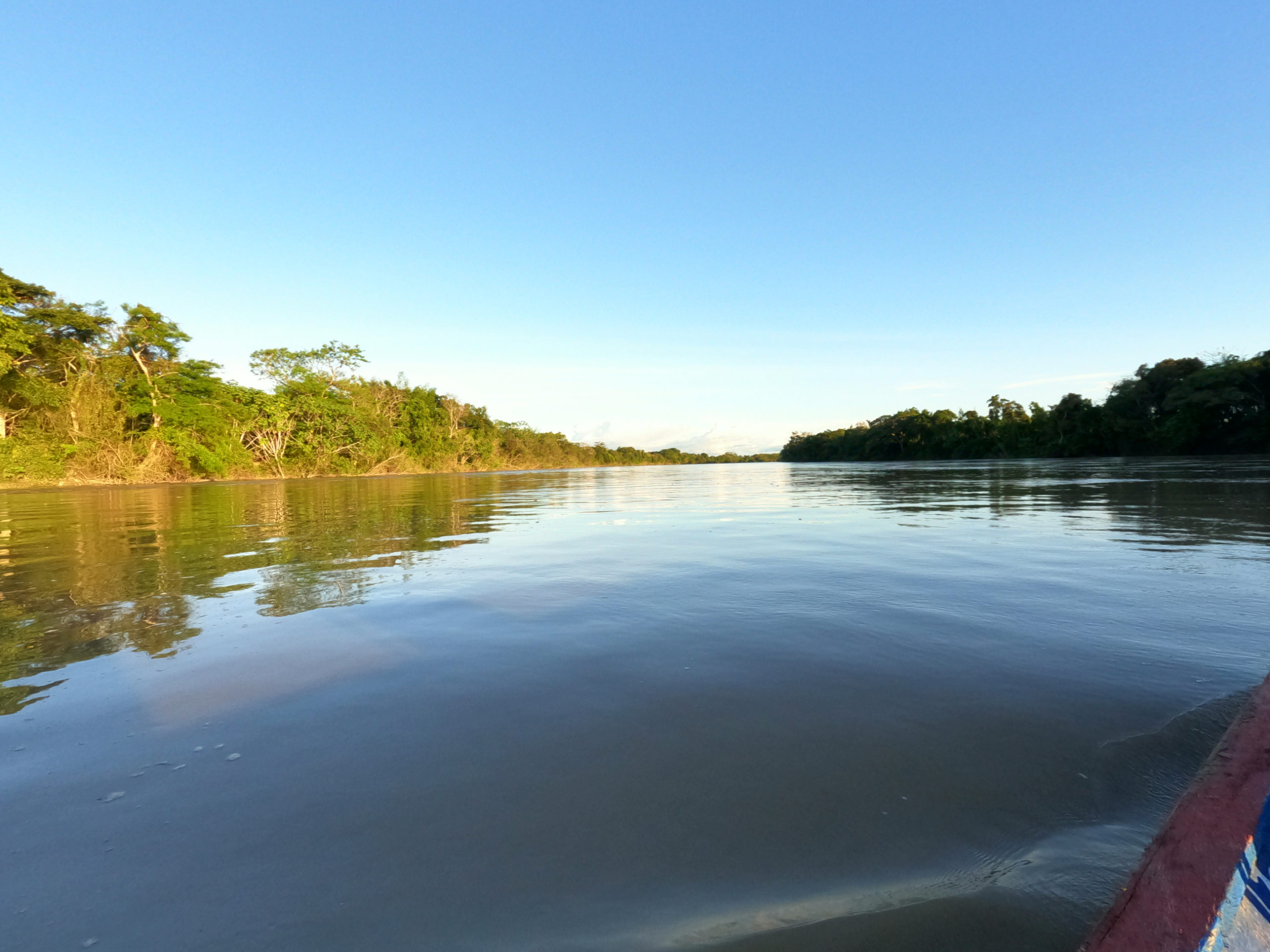
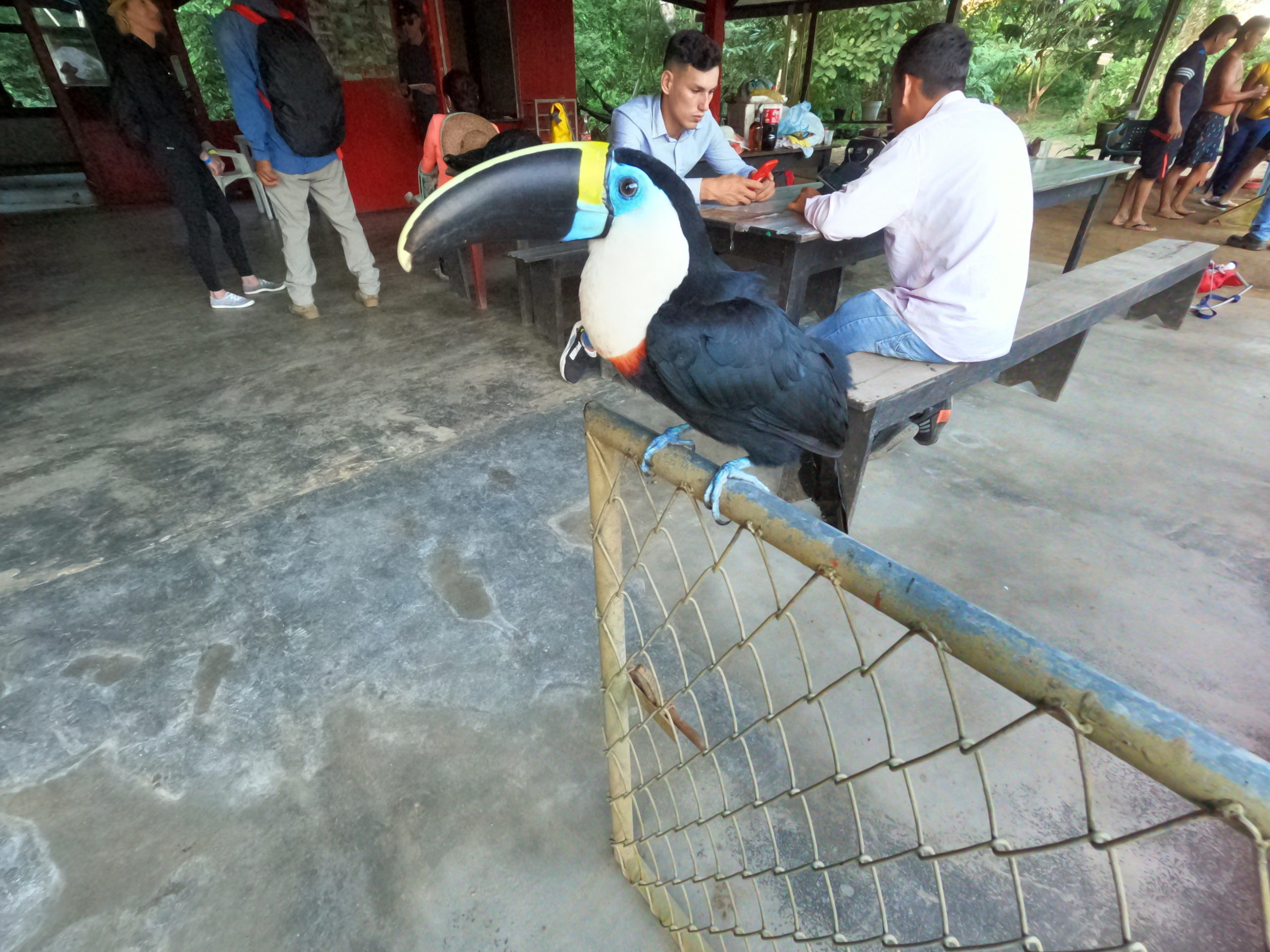
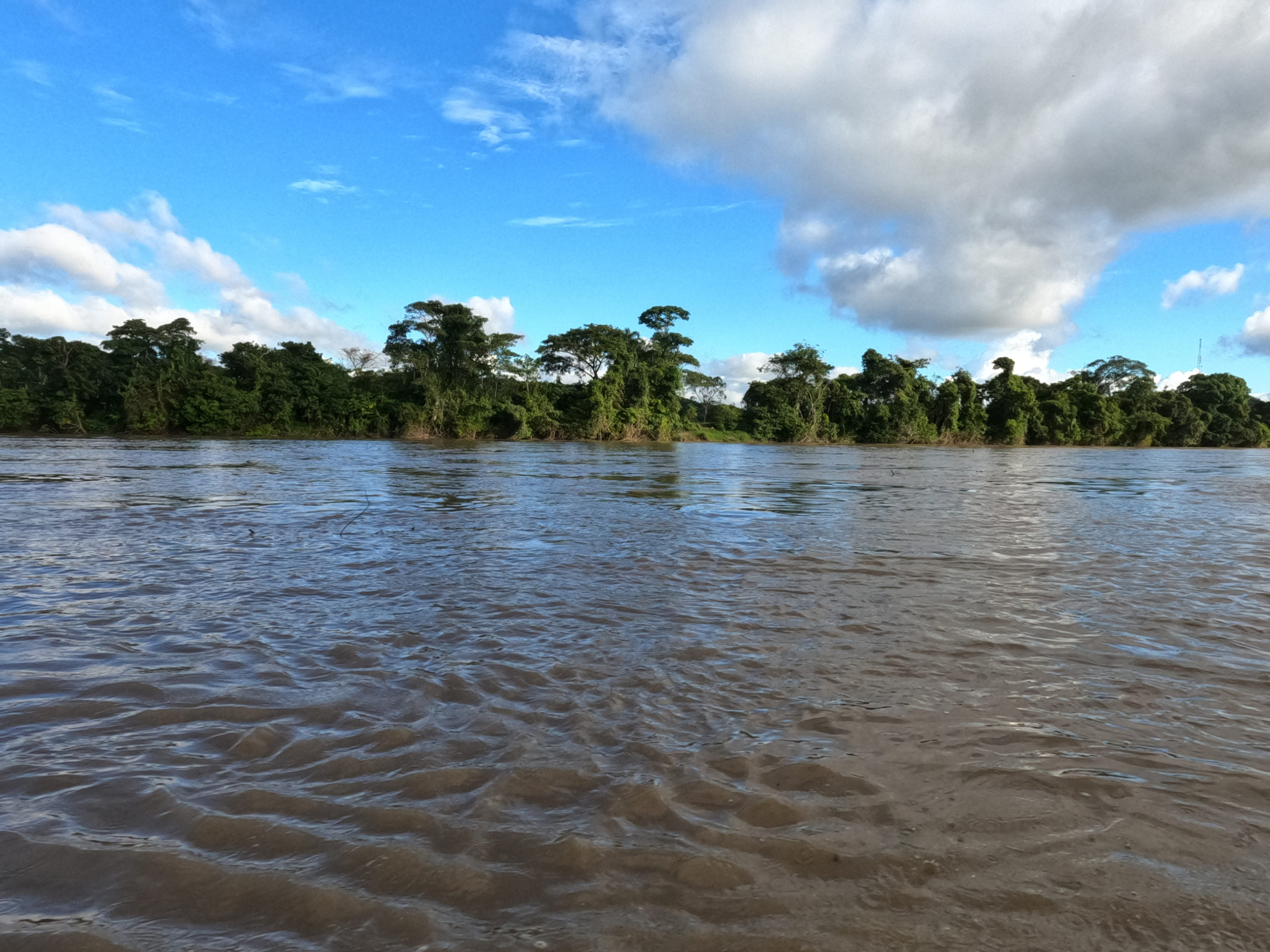
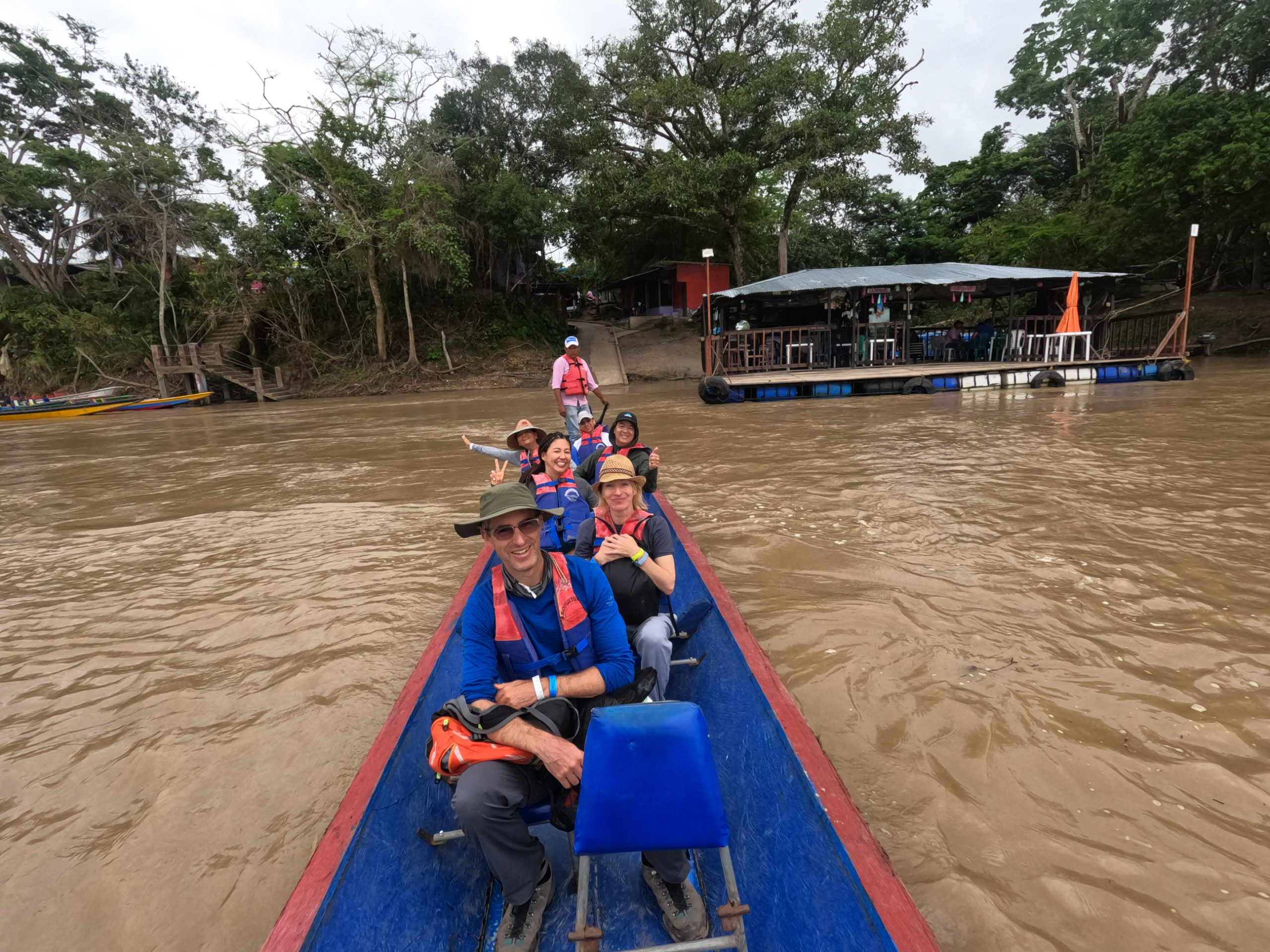
With barely enough time to dump our gear in our hotel and change into my only long-sleeved shirt (Merino wool, but thankfully only a light base layer), we were bundled into a motorised canoe and taken up the Guayabera River to our first walk. This was to Caño Cristalito, where we’d get our first taste of the jungle, eating a late lunch in a purpose-built open shack. We’d only just sat down when a flapping past my ears made us all look up to find a toucan flapping its way into the kitchen. We followed it and realised that it was a regular visitor. It suddenly doubled back and raced for our unattended lunches, but thankfully we were in time to save them. The toucan kept us company for the rest of the meal with a dark eye on any unguarded food.
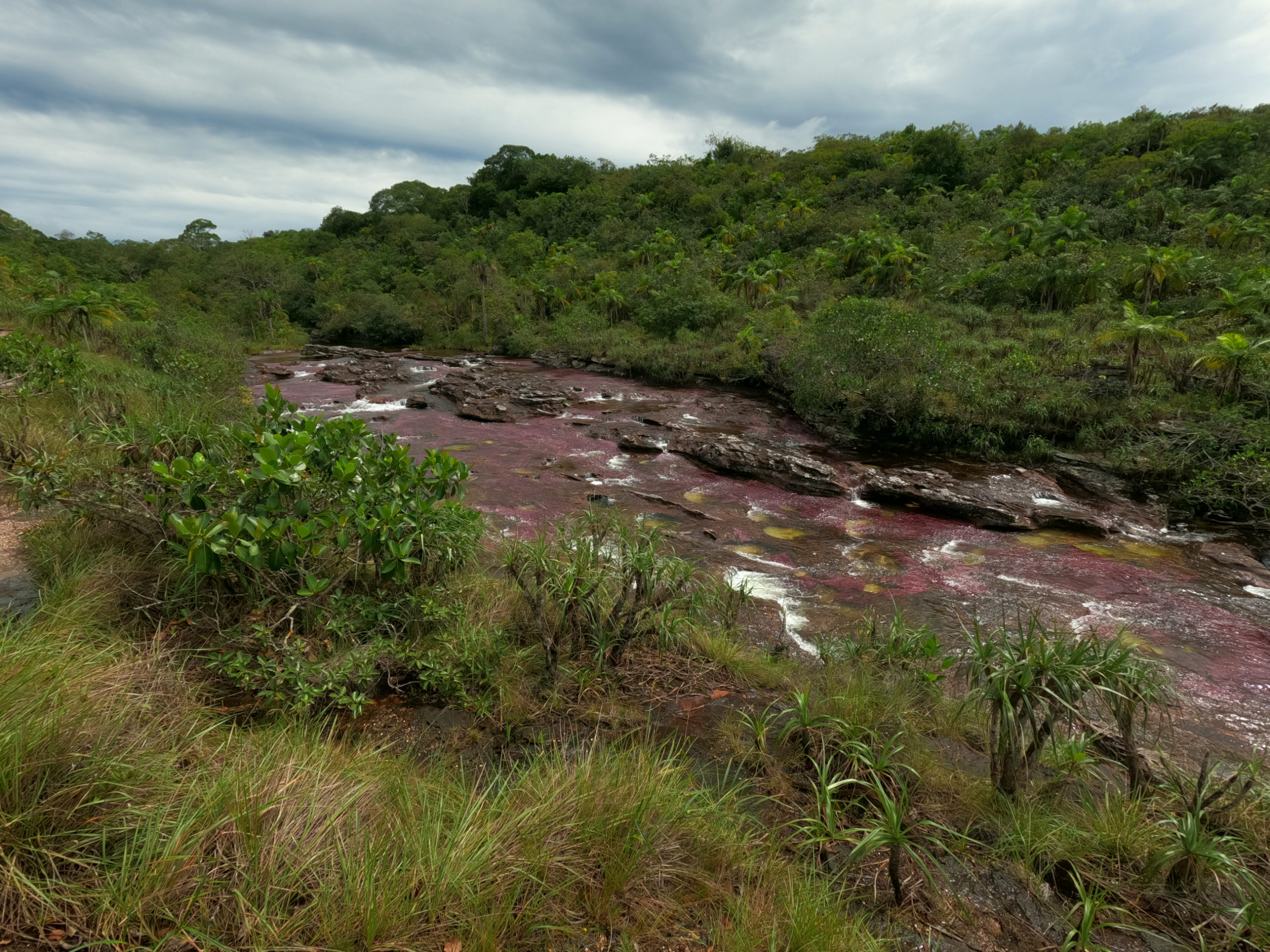
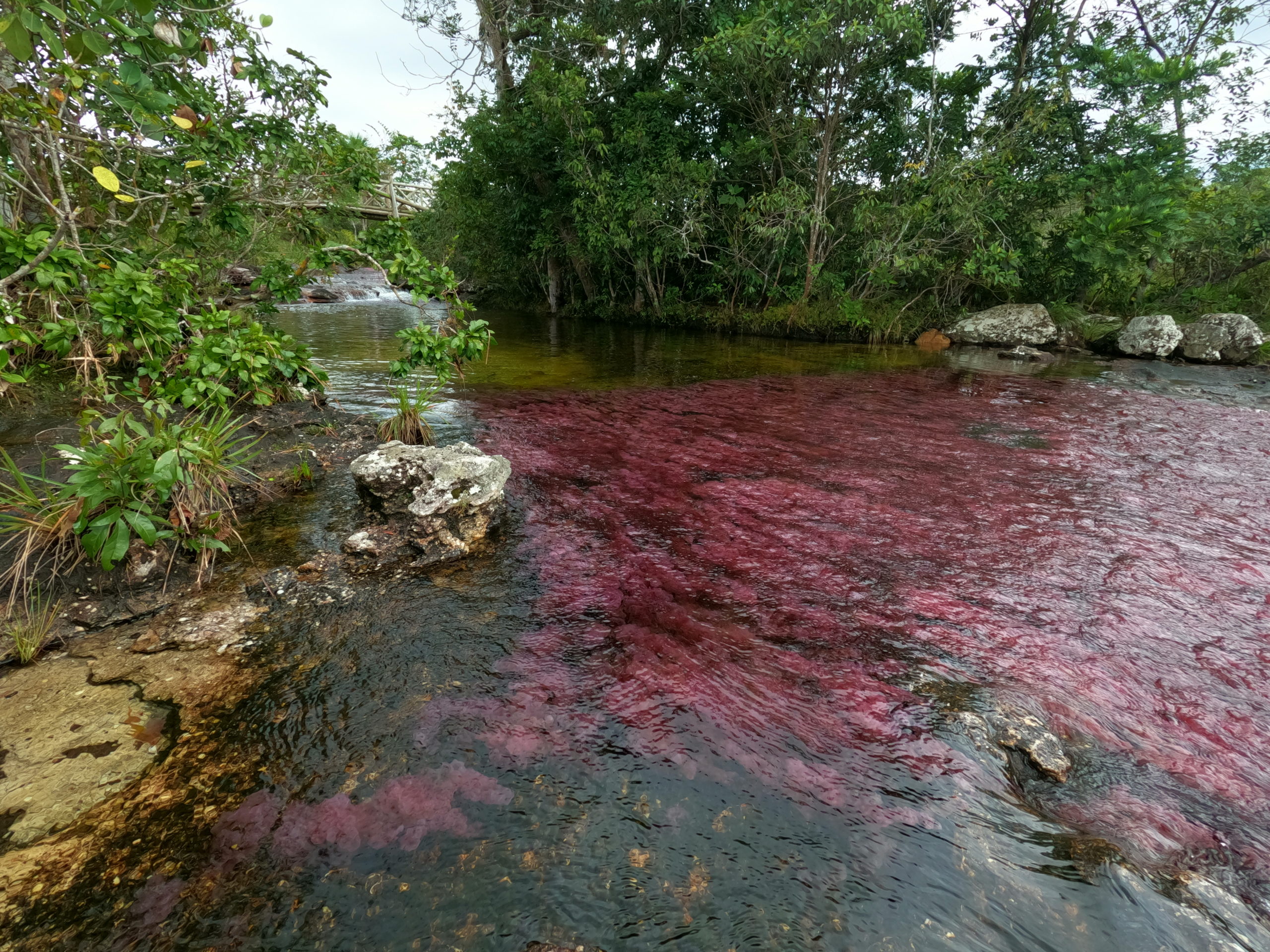
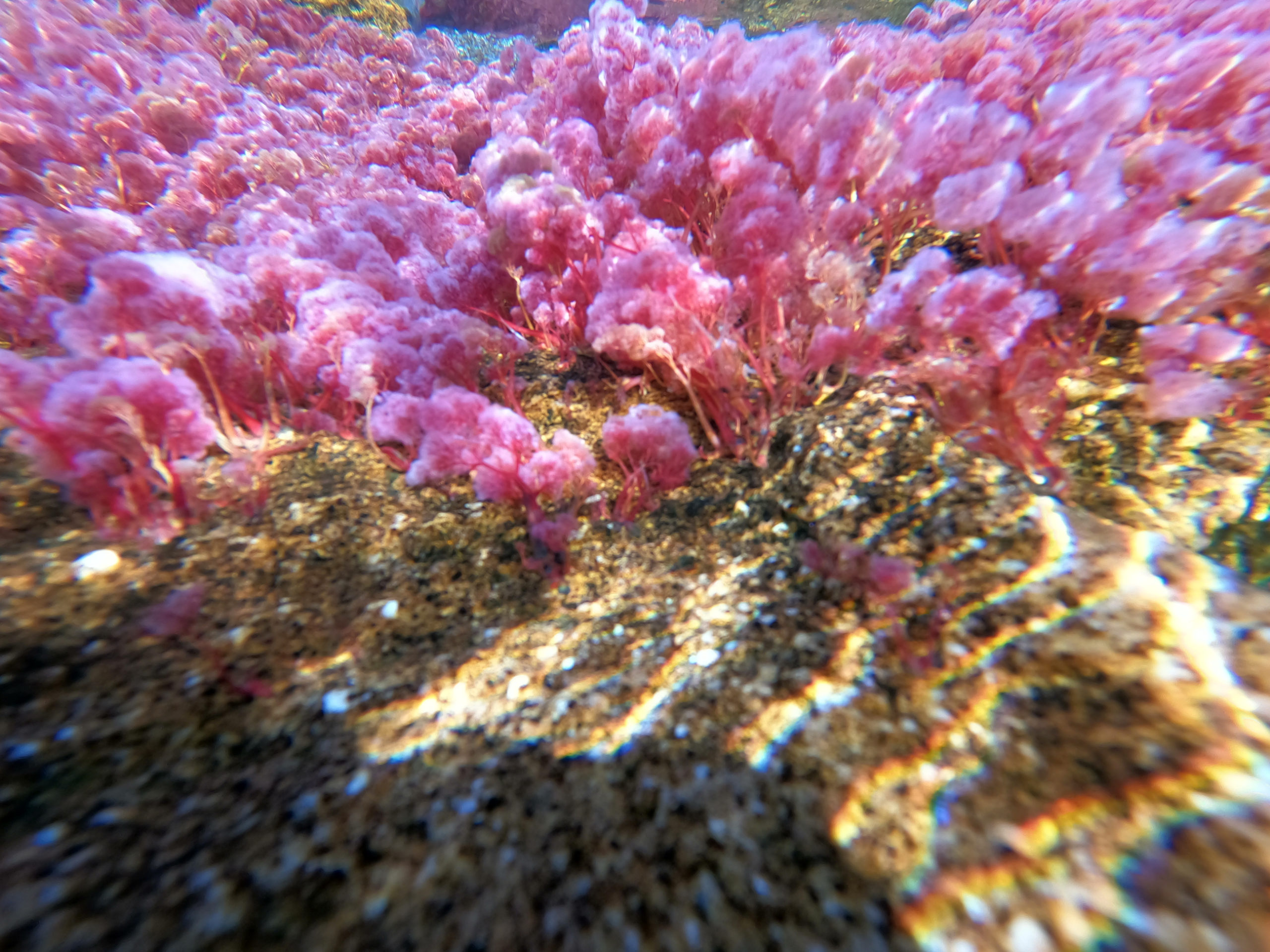
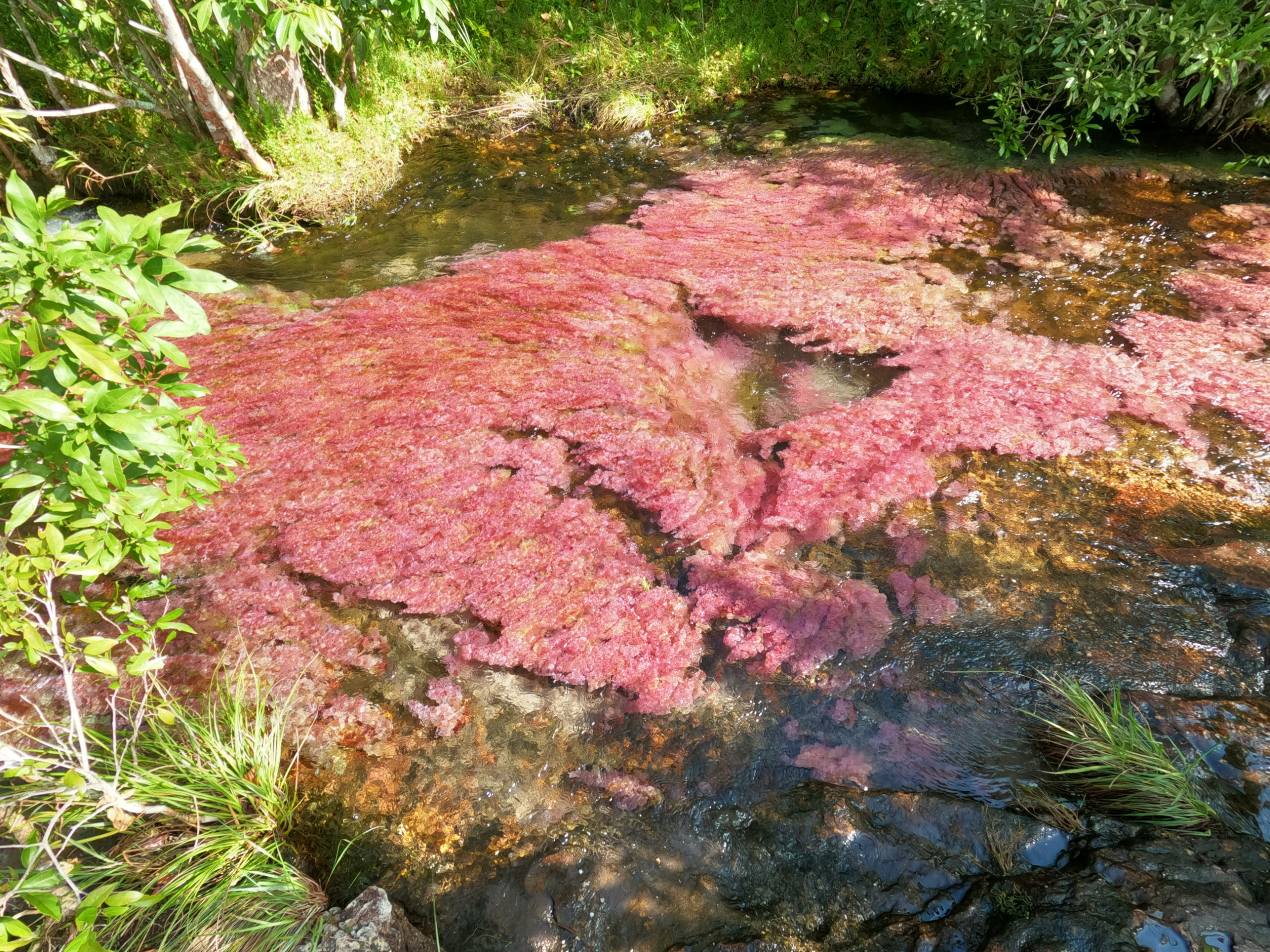
A short walk beyond the shack we got our first sight of Macerania Clavigera, a plant which gives the river its red colour. Our guide explained that when the river was too full, the plant would be too far below the surface to have much effect. He then picked up a red twig that wasn’t attached to the rock and lowered it into the water. Membranes that had appeared twig-like in air unfurled in the water to reveal themselves as Macerania Clavigera. When the river was empty, there clearly wouldn’t be much to see either, so it’s only worth visiting at certain times of the year.
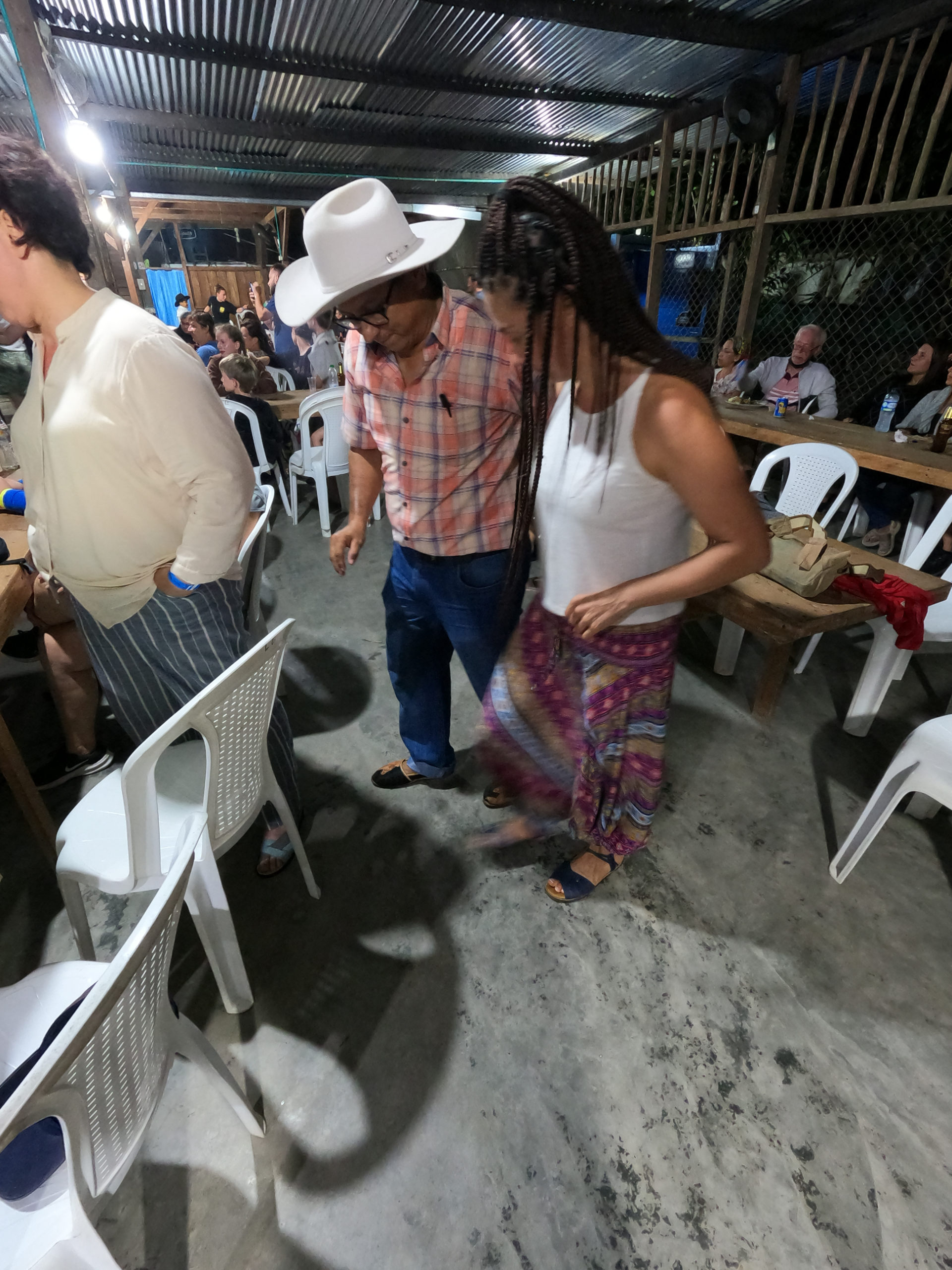
The long day ended with dinner and a show, where young dancers performed the local stamping dance to live music played on a base guitar, a ukelele and a harp among other instruments. The kids showed us the basic steps (left, right, slide, right, left, slide) then ventured into the audience to invite visitors to join them. With only two girls, I wasn’t chosen as a partner, but a local man invited Sandra up to dance with him, and she loves to dance.
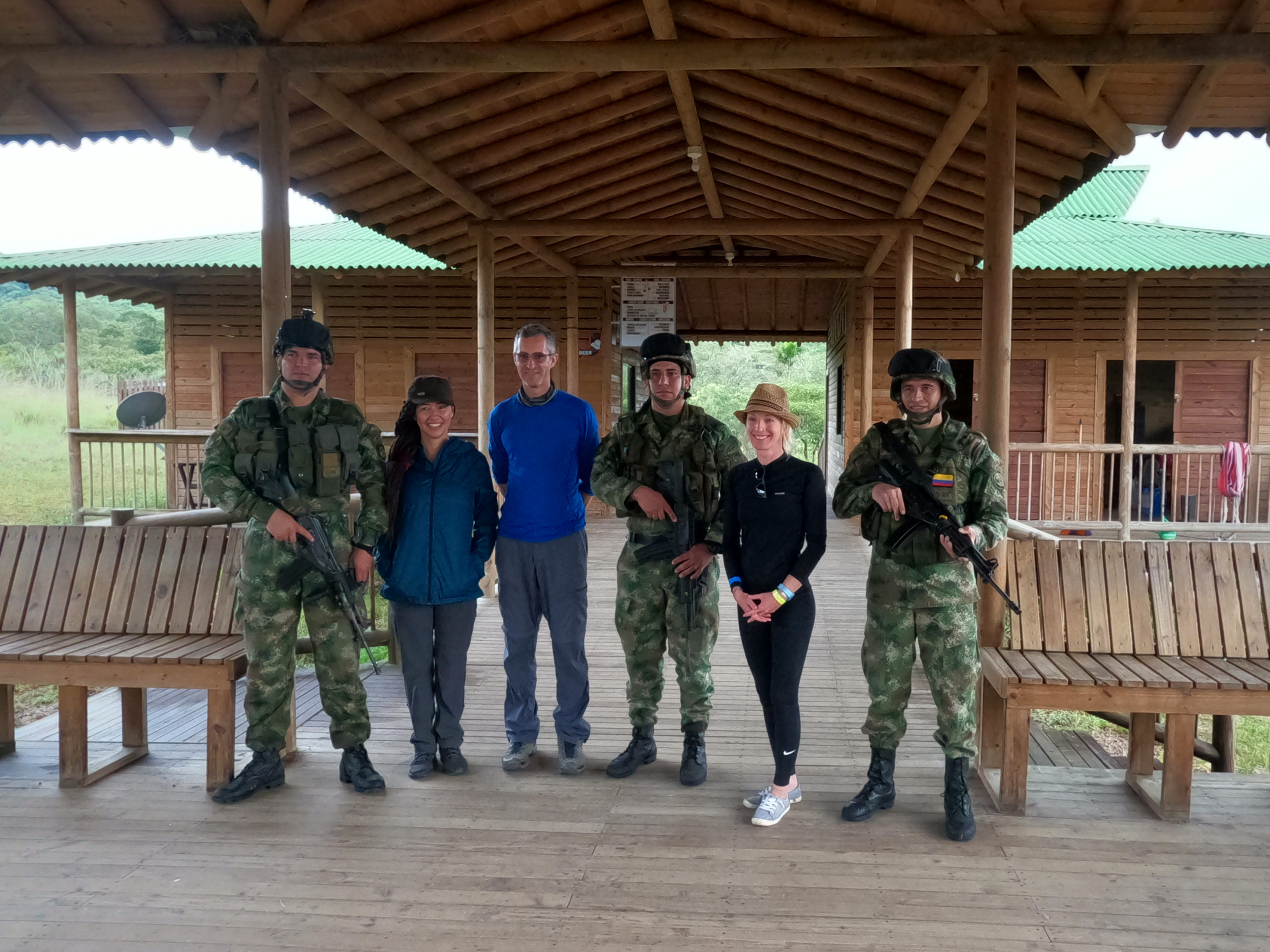
We spent the next two days in the area around the Crystal Canyon, which involved a long drive on a very rough road after travelling on the Guayabera River. Guarding the entry to the canyon were soldiers who looked intimidating, but were as friendly as everyone else we met on the trip. The red was more prevalent in this area, and we were also allowed to swim in the deeper pools away from the plant. Our guide only took off his boots before jumping in, and we saw other guides not even bothering with that. I wore my shirt and enjoyed the cooling effect of walking in wet clothes for the rest of the days.
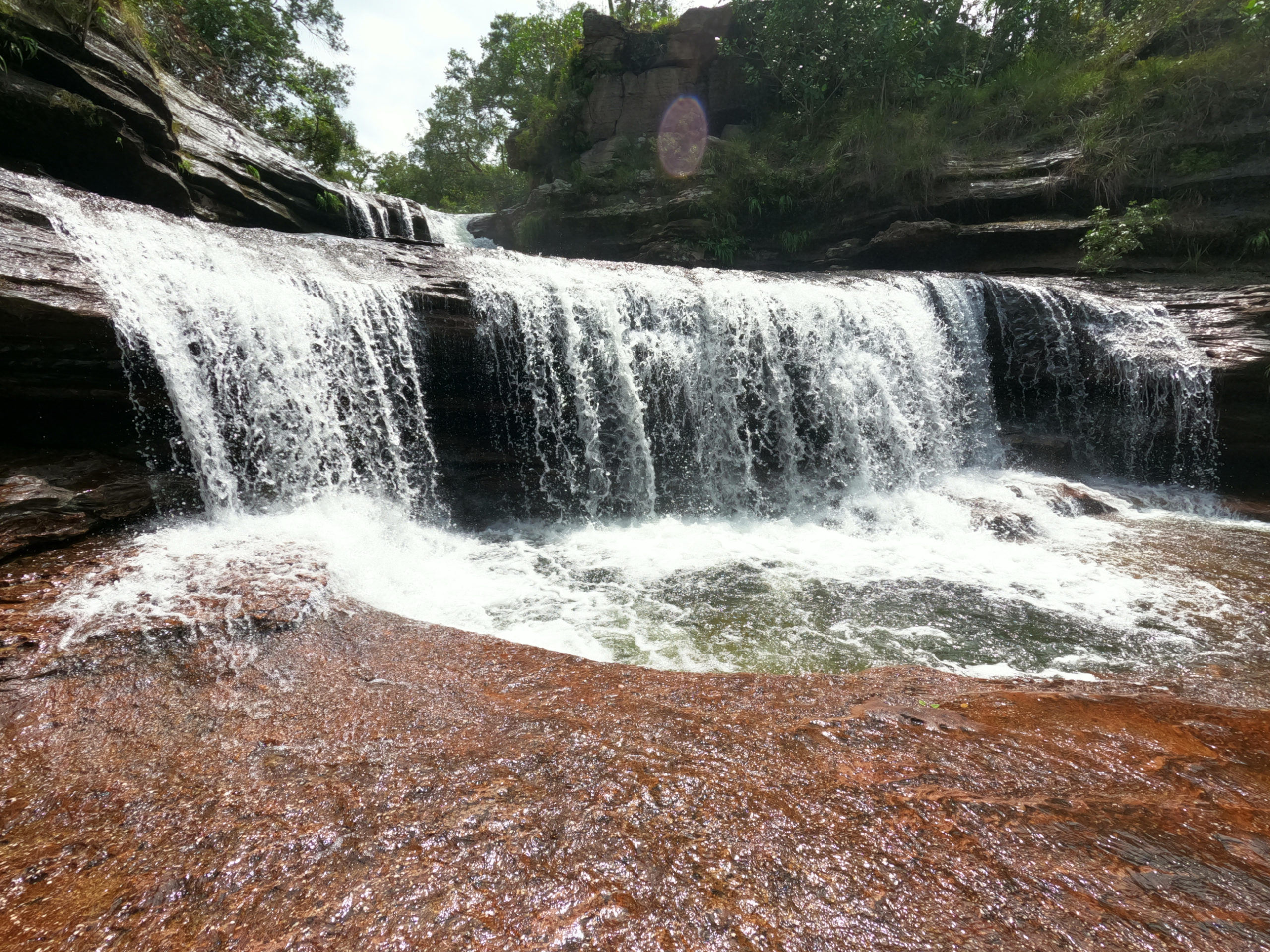
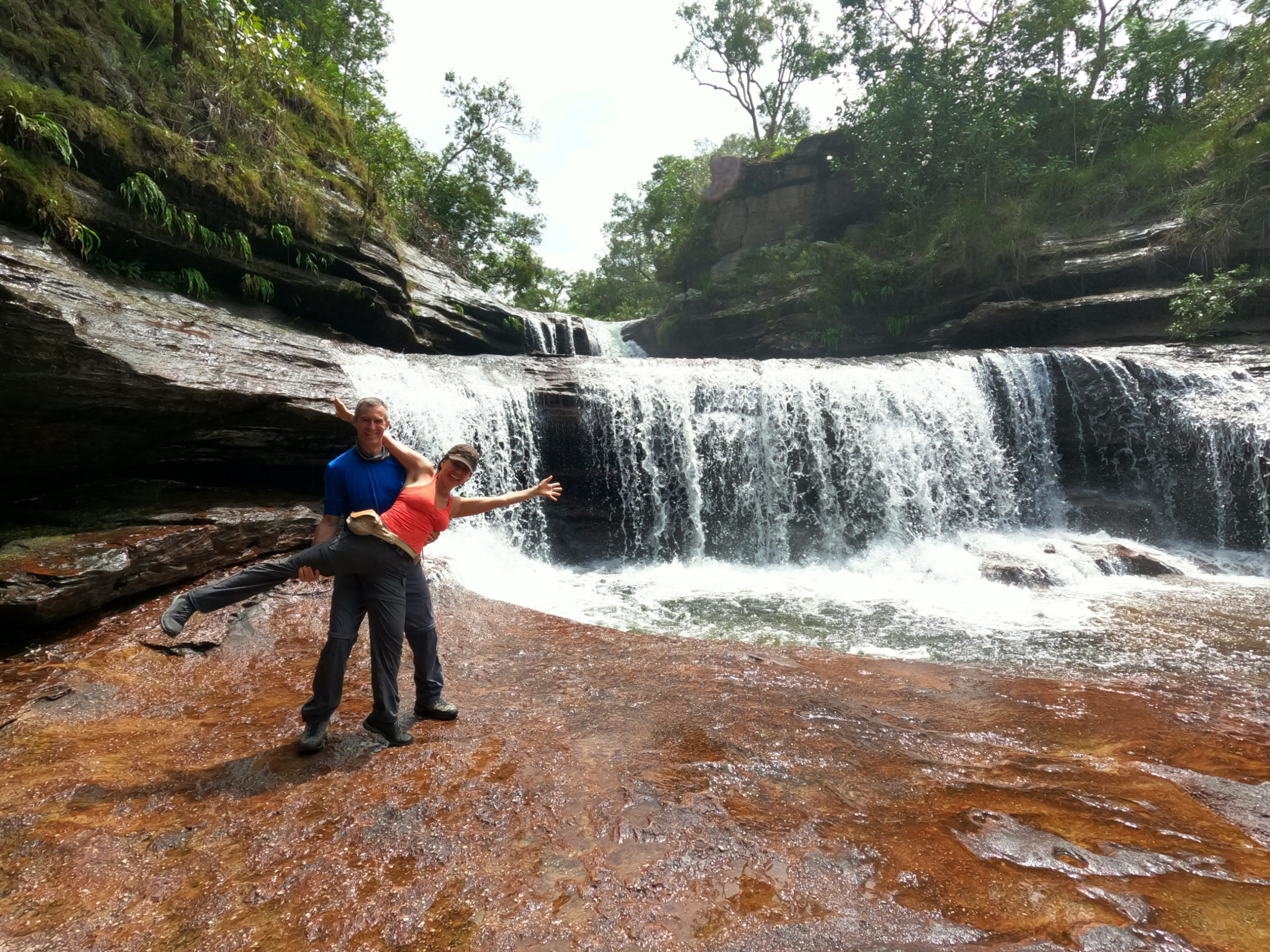
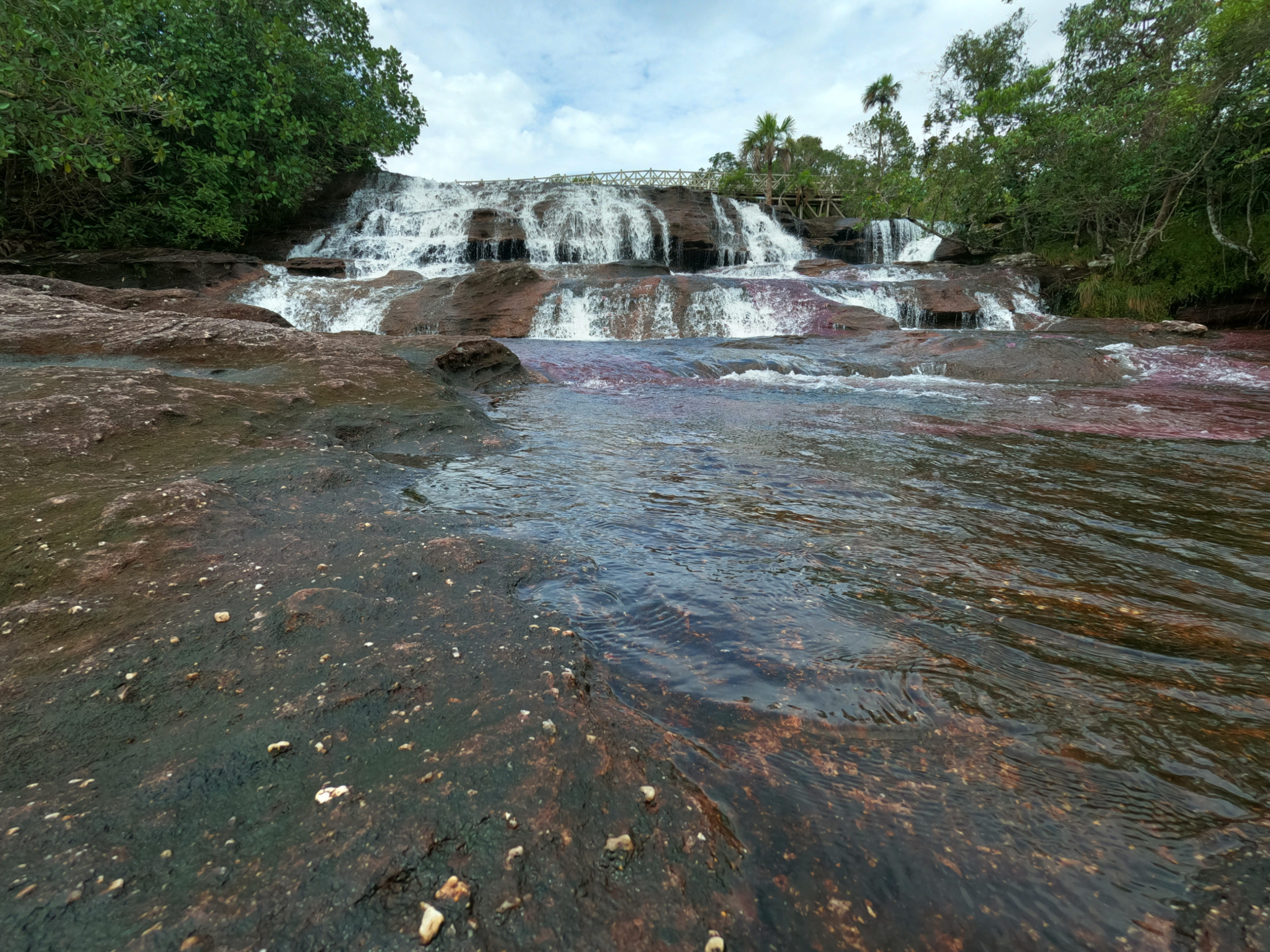
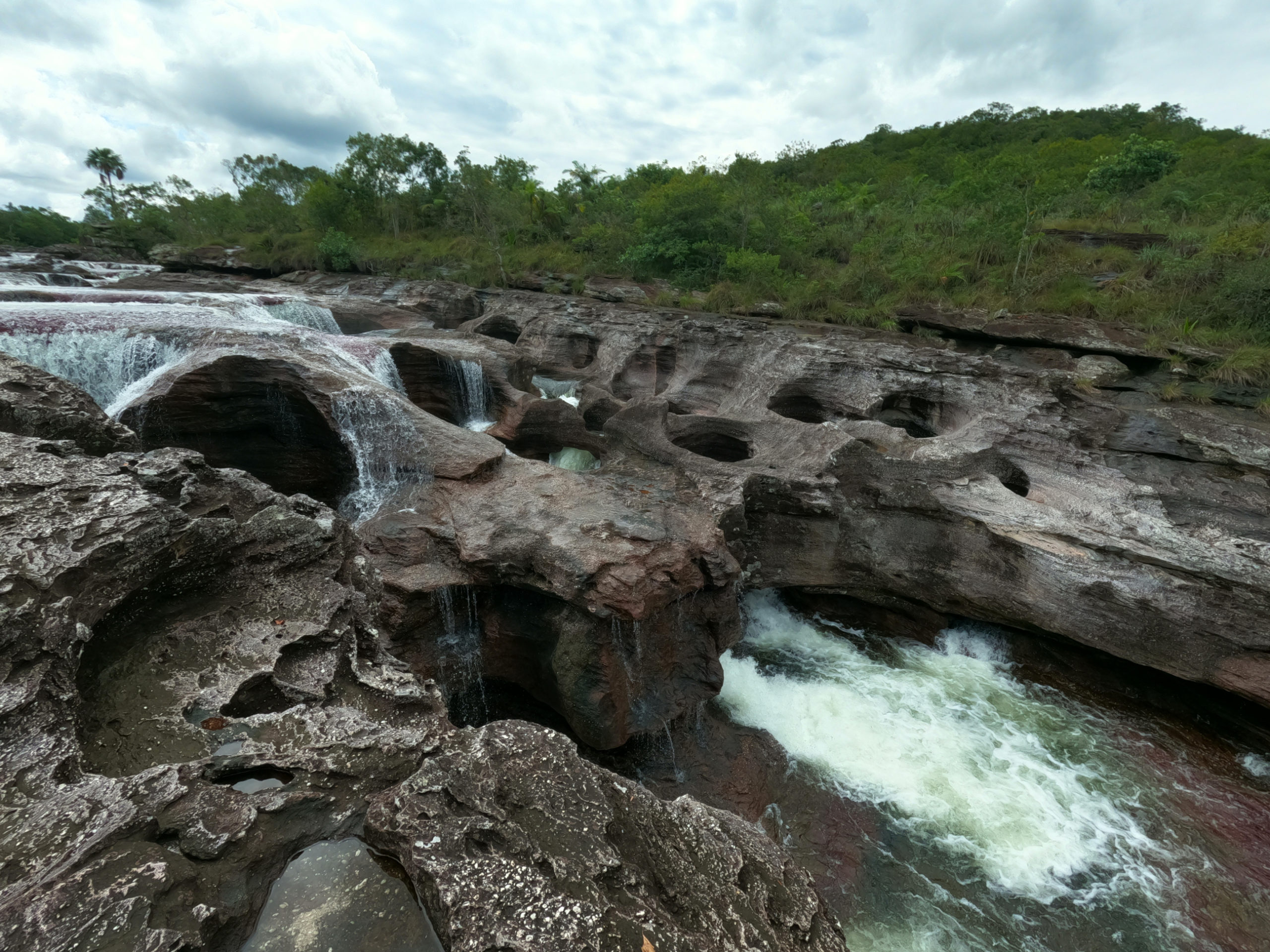
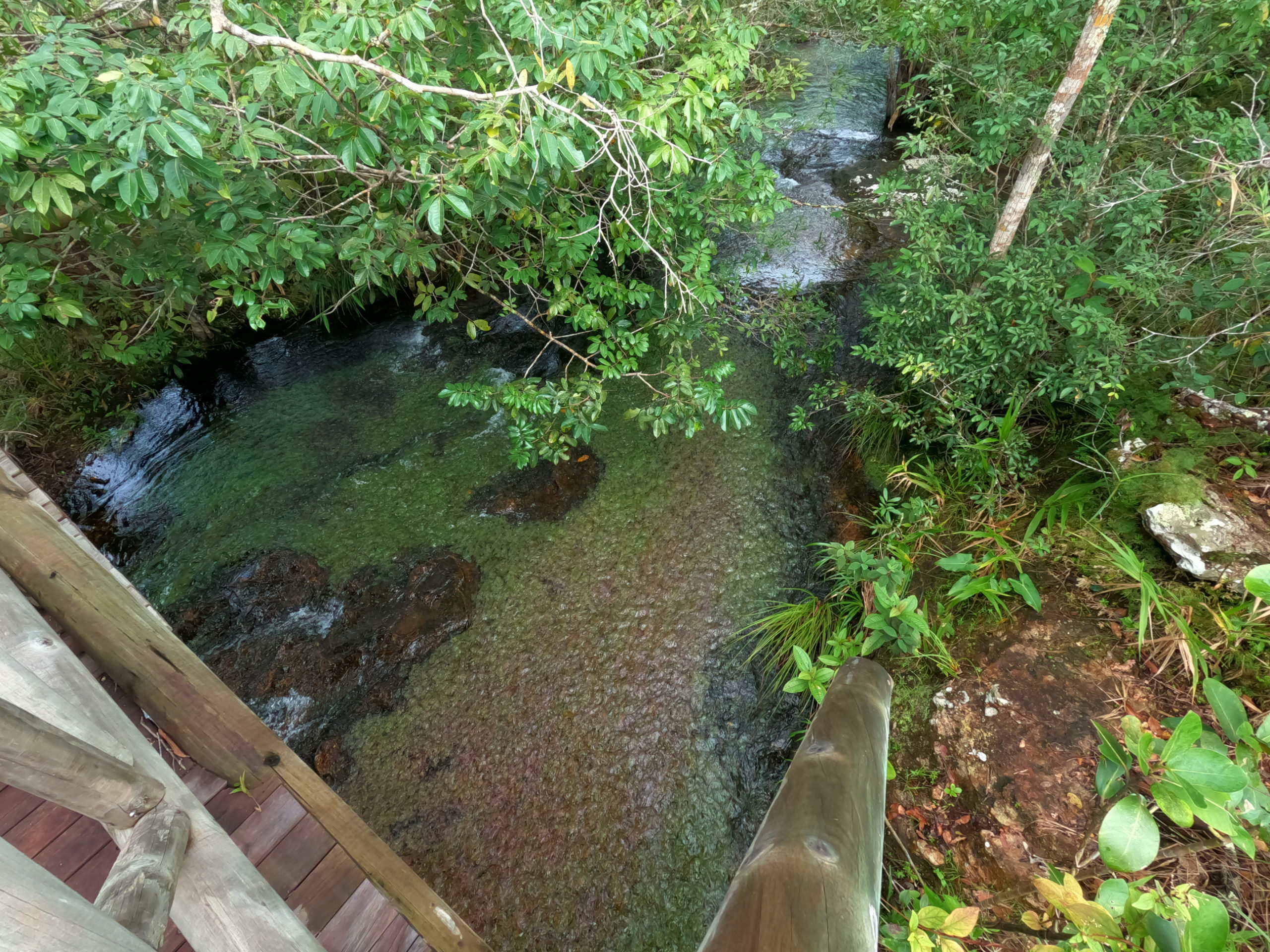
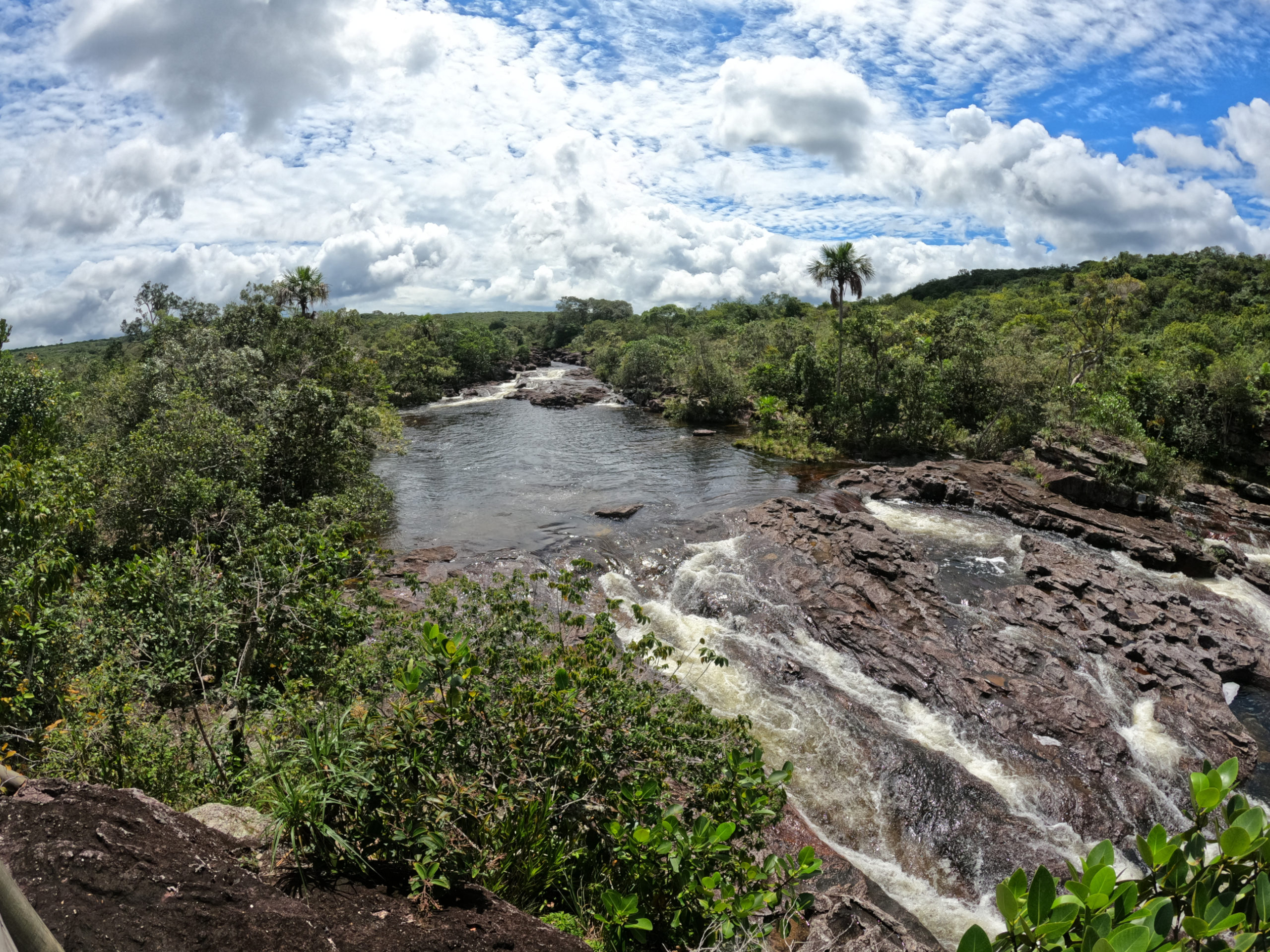
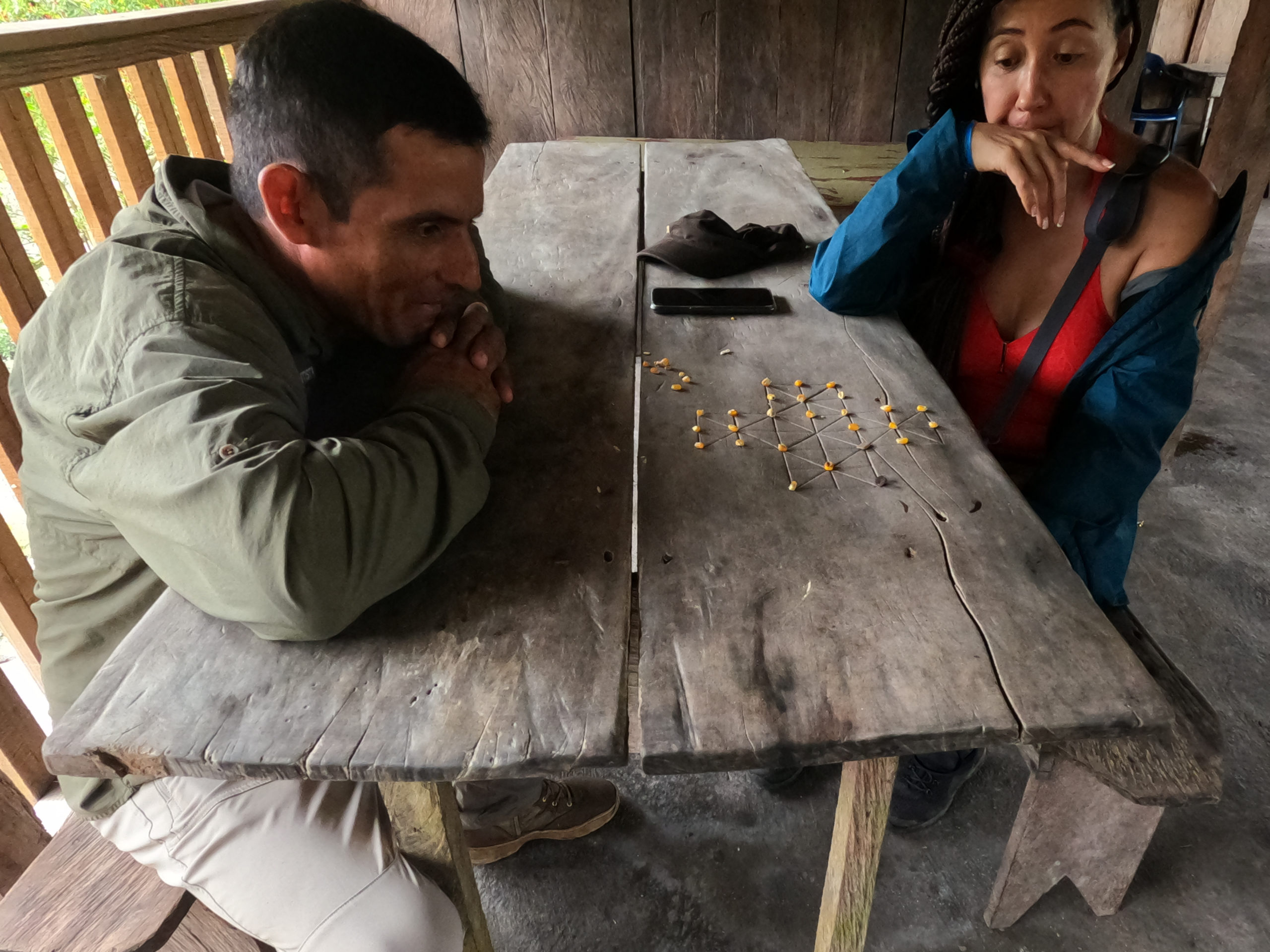
Besides the red (green in the shady areas) of the plant, the highlights were the Piano Falls, at the top of one branch of the rainbow river, and another waterfall where erosion had made Swiss cheese of the riverbed. During the trip, Sandra and the guide ended up talking about children’s games, so when we came across a ‘board’ scratched into a table at one of the rest shacks, he taught us how to play Foxes and Hens with pieces of corn and stones. Sandra quickly gave up and passed the baton to me. I didn’t fair any better, even when we switched so I had the foxes.
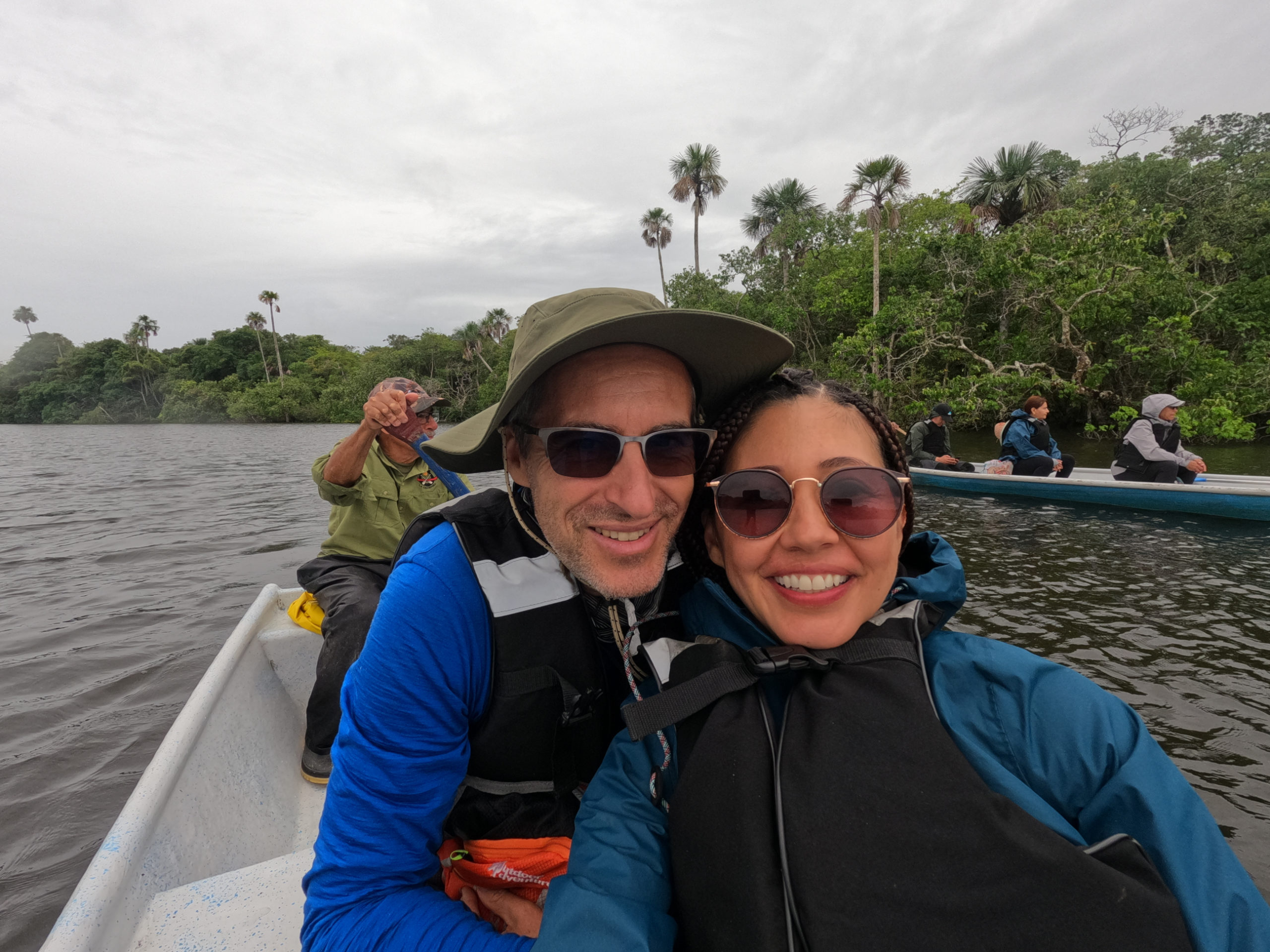
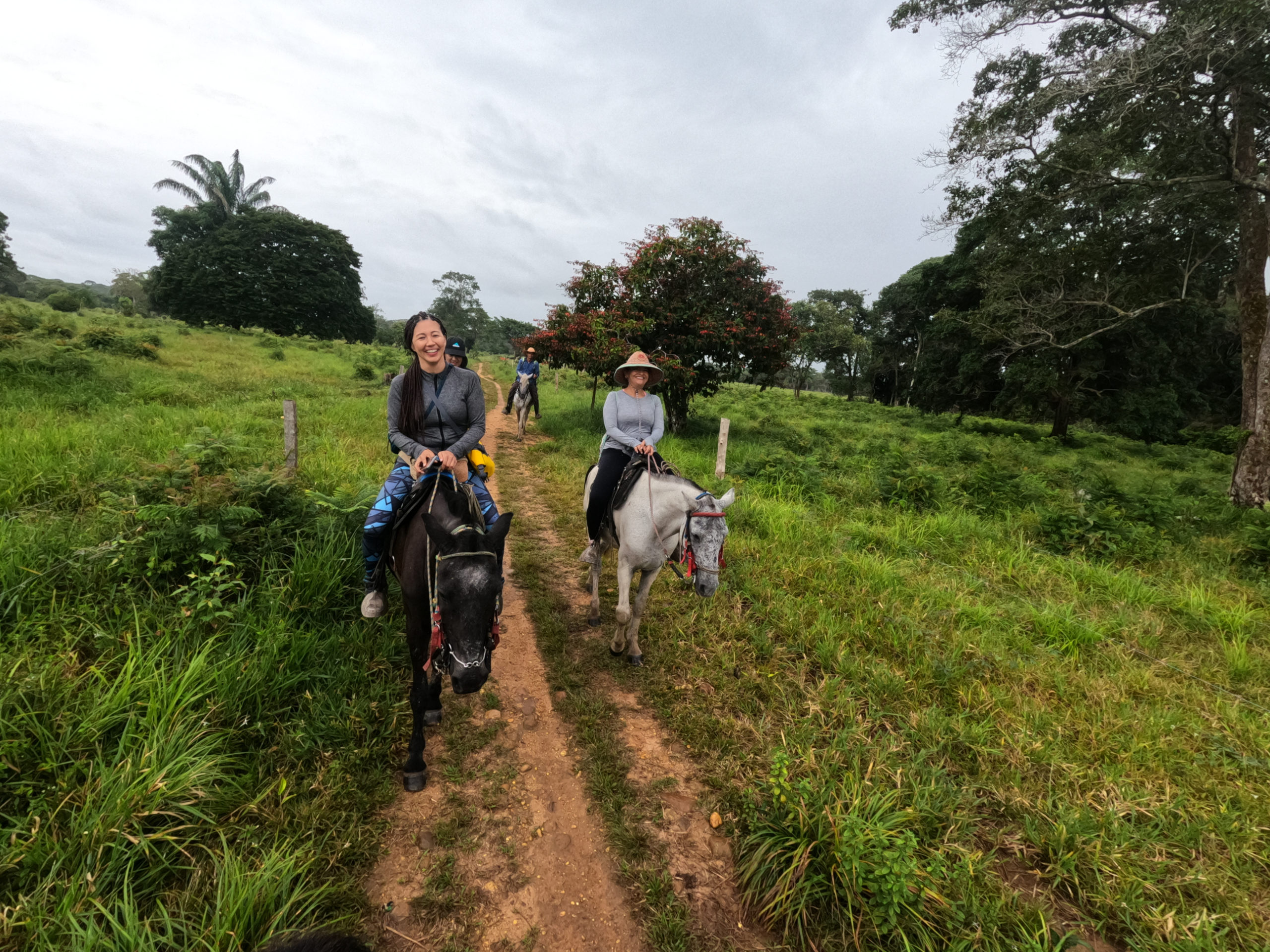
Our last day was possibly the most eventful. We went down river this time, then rode horses for half an hour among the local farms until we arrived at another rest stop, then walked on to some smaller canoes. From here we were rowed out onto the Silent Lagoon to enjoy absolute peace – aside from being told that the lagoon was full of piranhas (so no swimming).
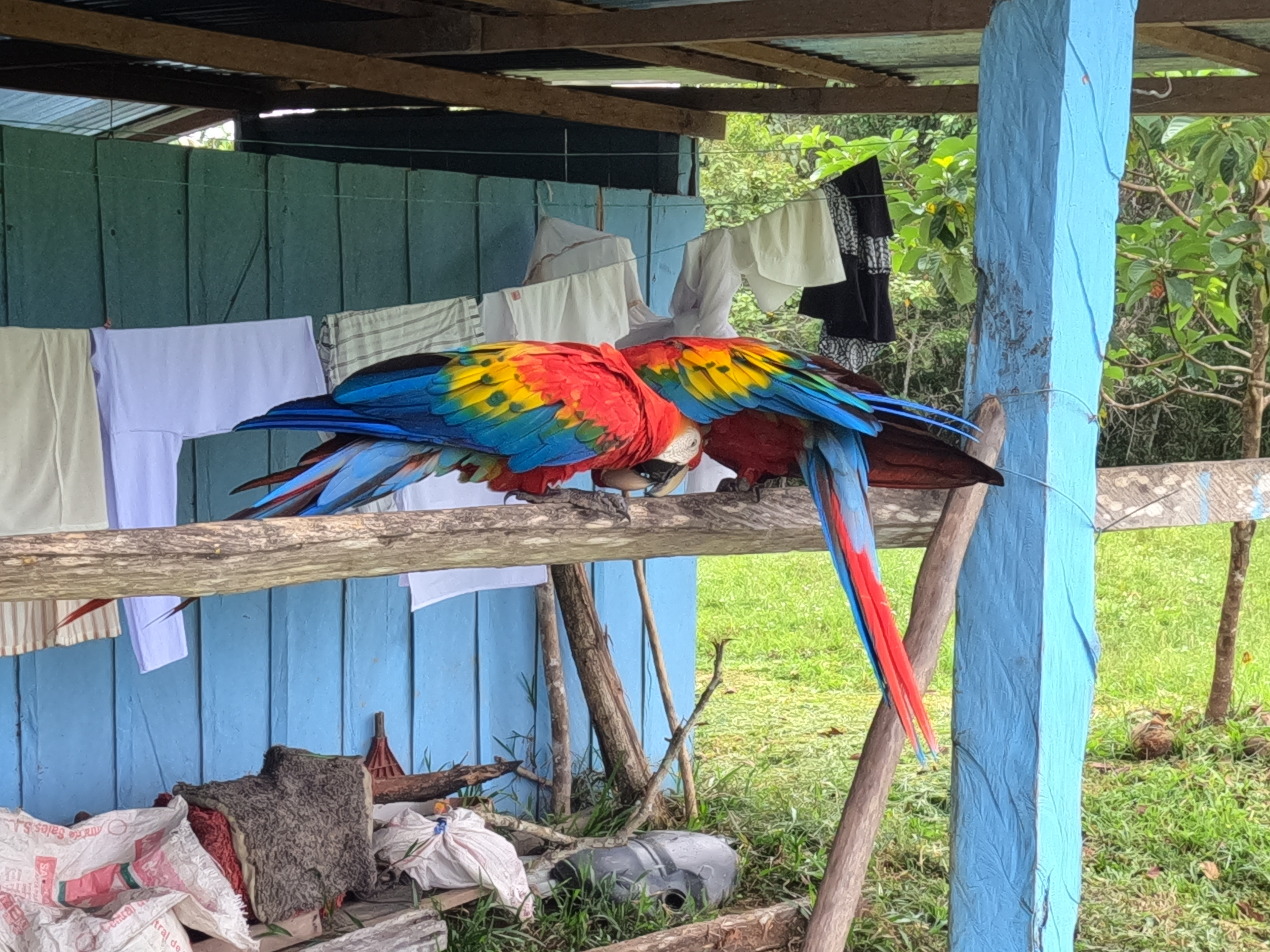
Two Bandera Guacamayas (macaws with colouring of the Colombian flag) waited for us at our lunch spot, first putting on a show of affection then later screeching at and attacking each other with everything they had. There was no obvious sign that their wings were clipped, but they never flew, even when they came to ground level to chew on our boots.
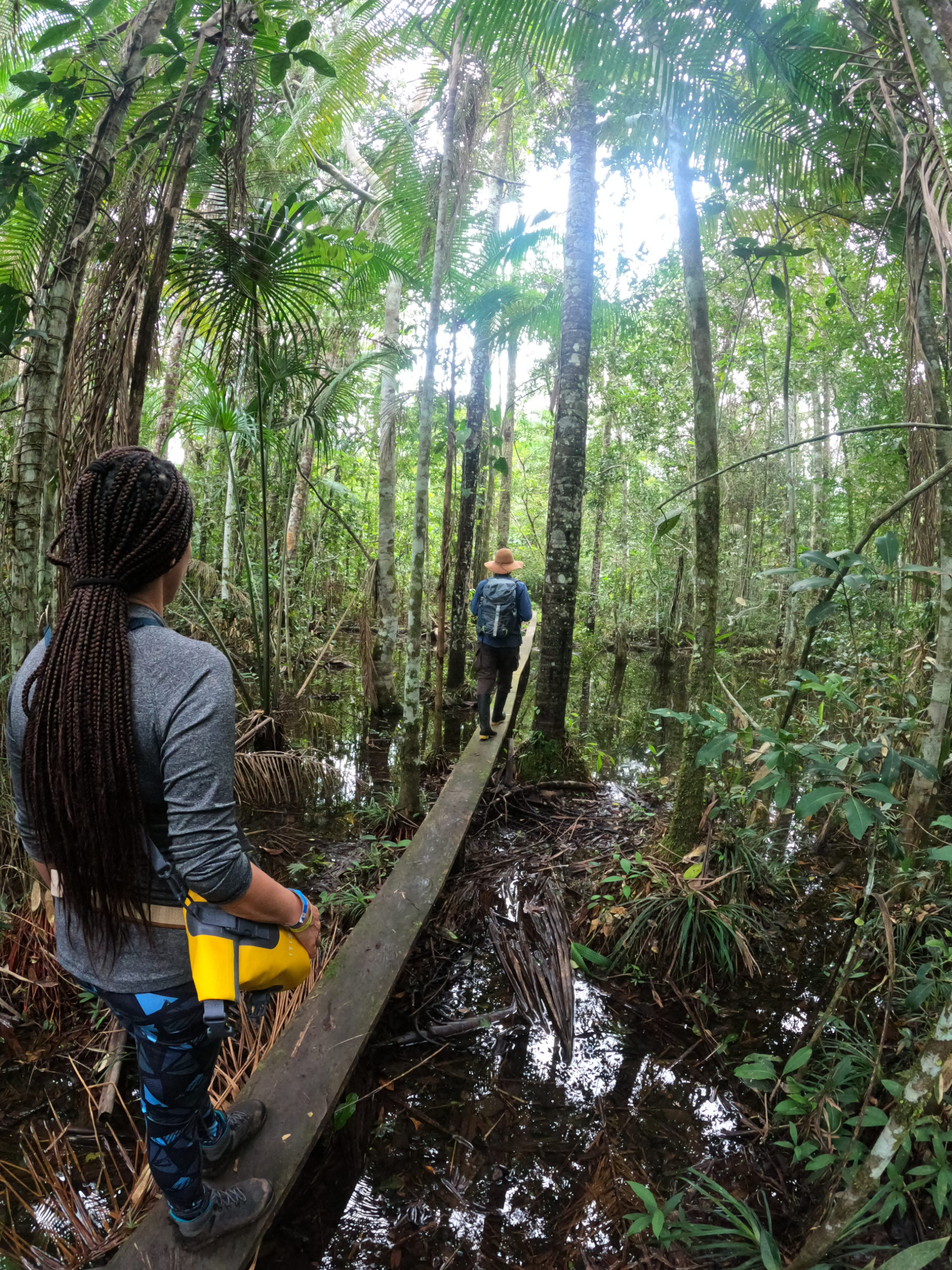
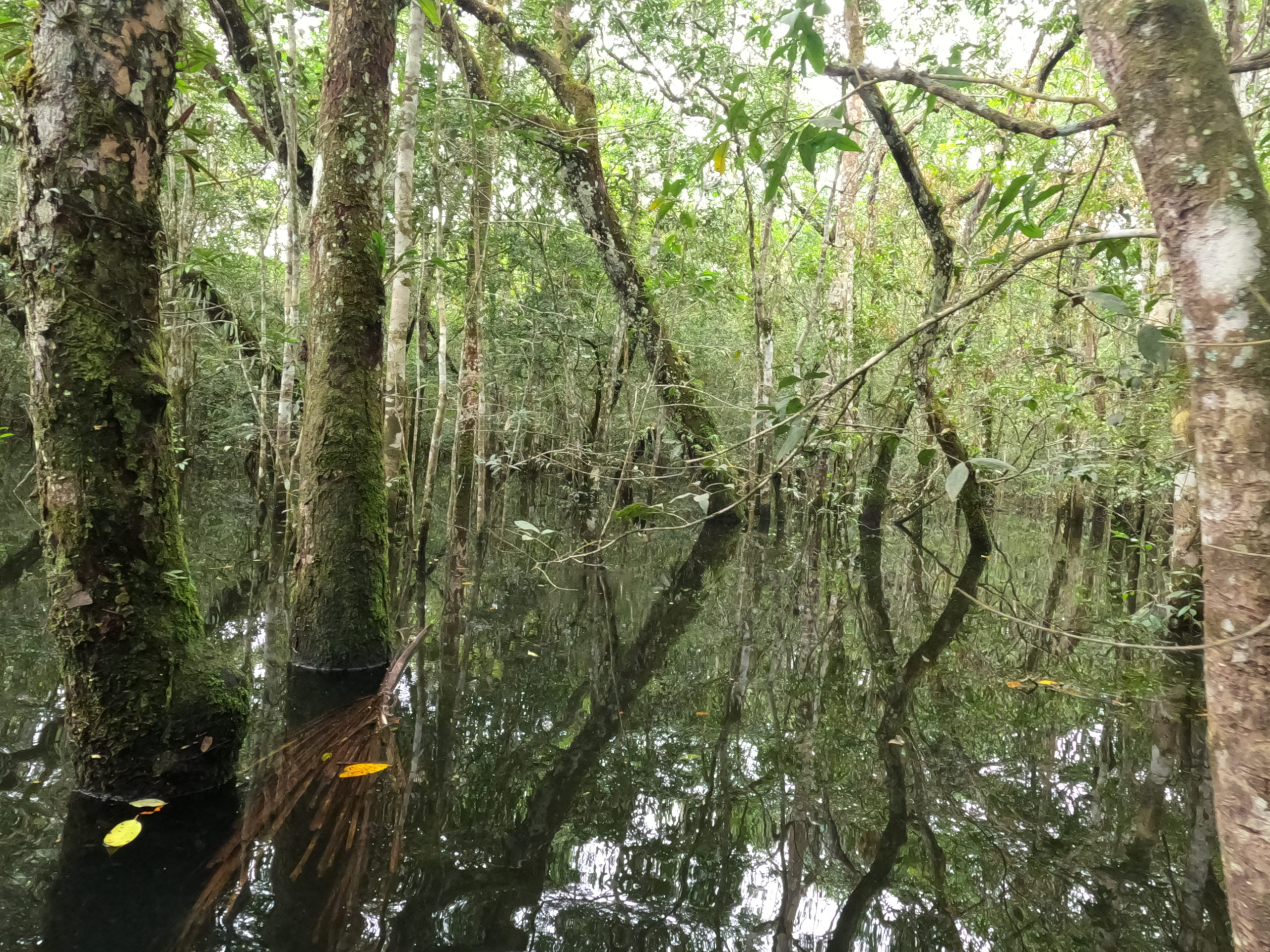
After lunch, our canoe captains took us to the edge of the lagoon so that we could walk back through a swamp reminiscient of Dagobah (Star Wars reference), finishing up at another stretch of the rainbow river. This part was filled with large fish that disappeared when I descended into the water with my four-day old clothes. I wonder if that’s worse than swimming with sunscreen.
My horse (nicknamed ‘loco’ or ‘crazy’) lived up to his name on the way back, frequently wandering aimlessly away from the trail, which made the trip more enjoyable for me than the usual riding-a-sofa trail rides. At one point I nudged him to speed up so I could ride next to Sandra and spent the next ten minutes fighting to keep him to a walk.
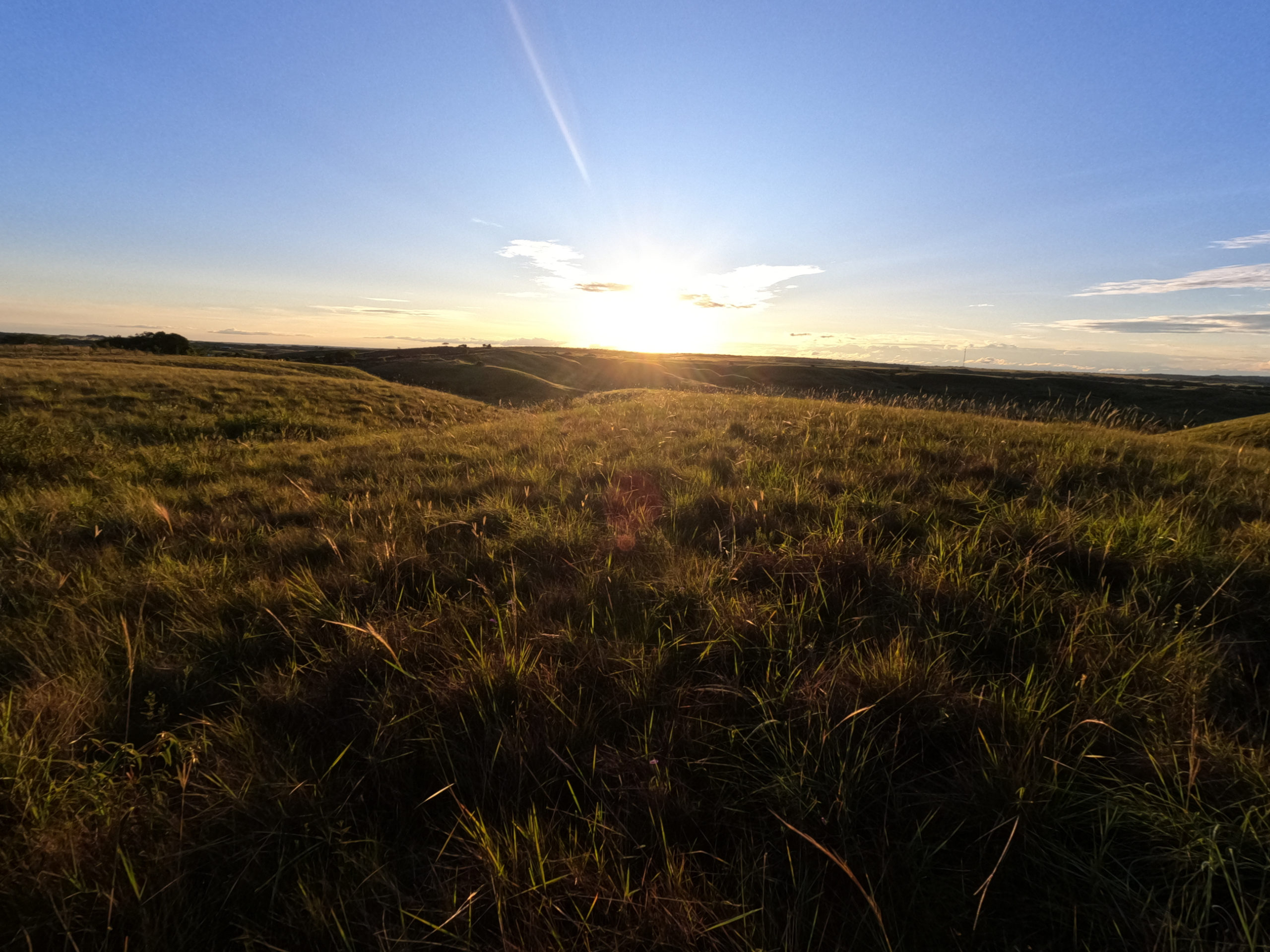
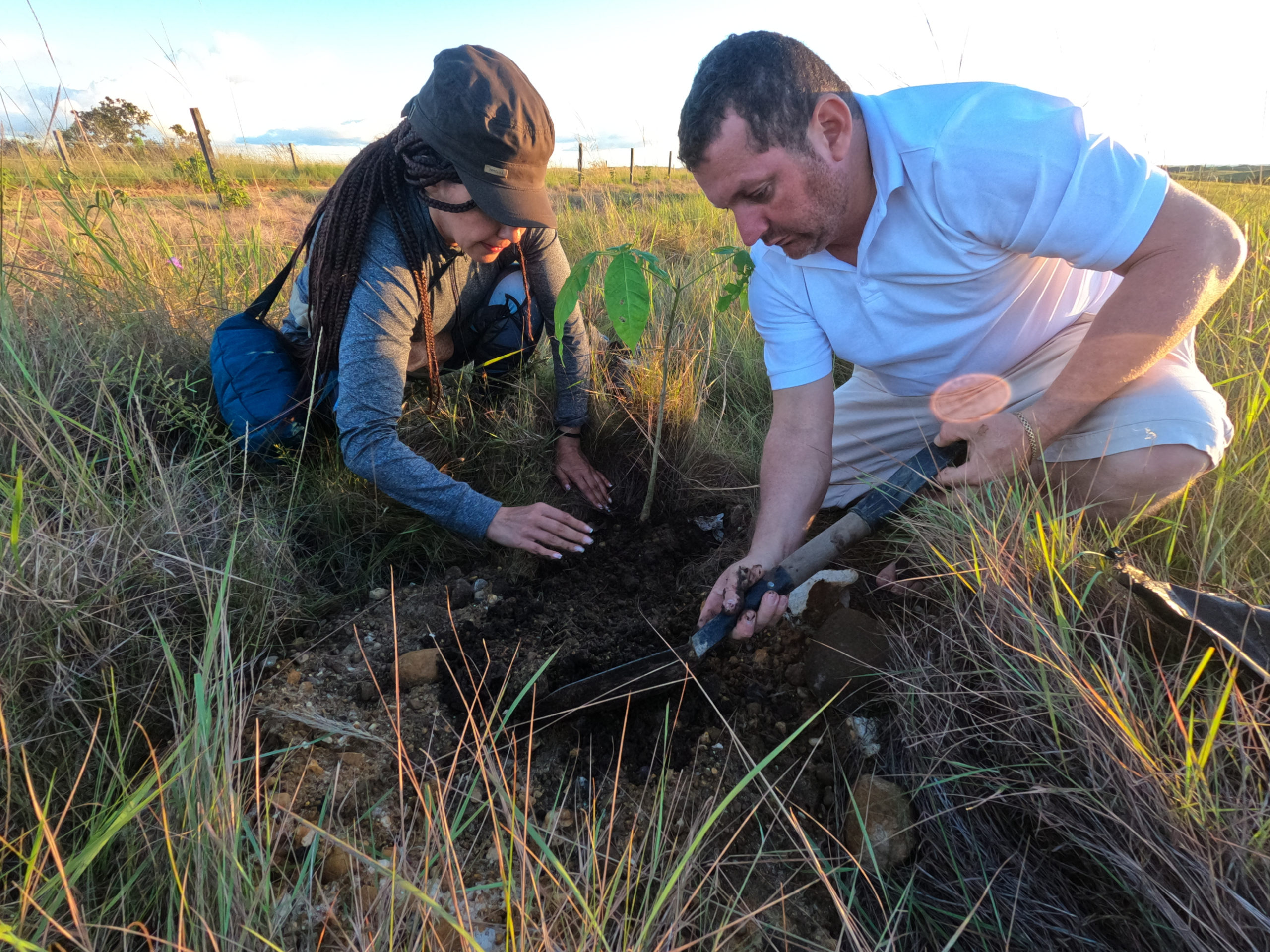
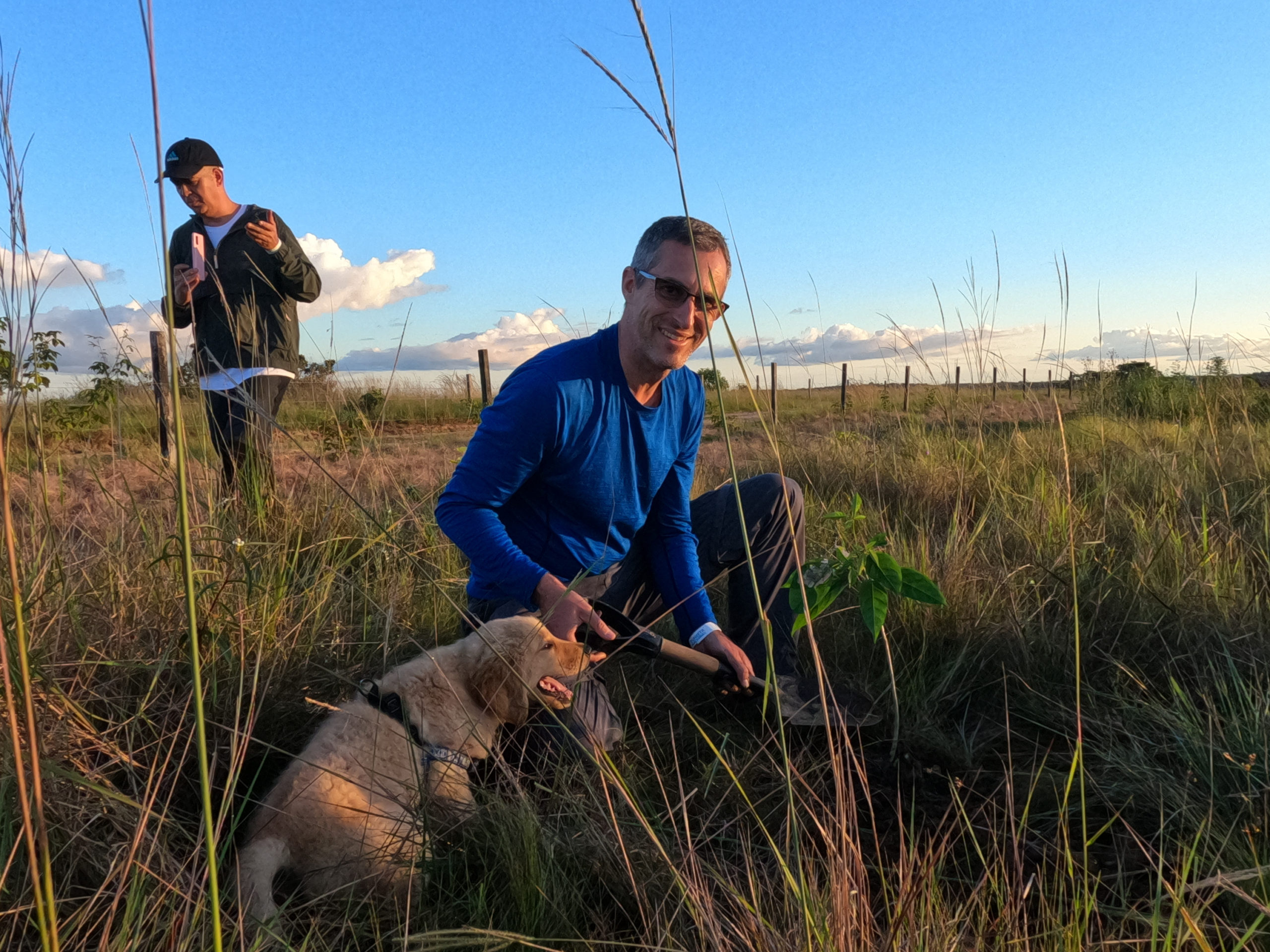
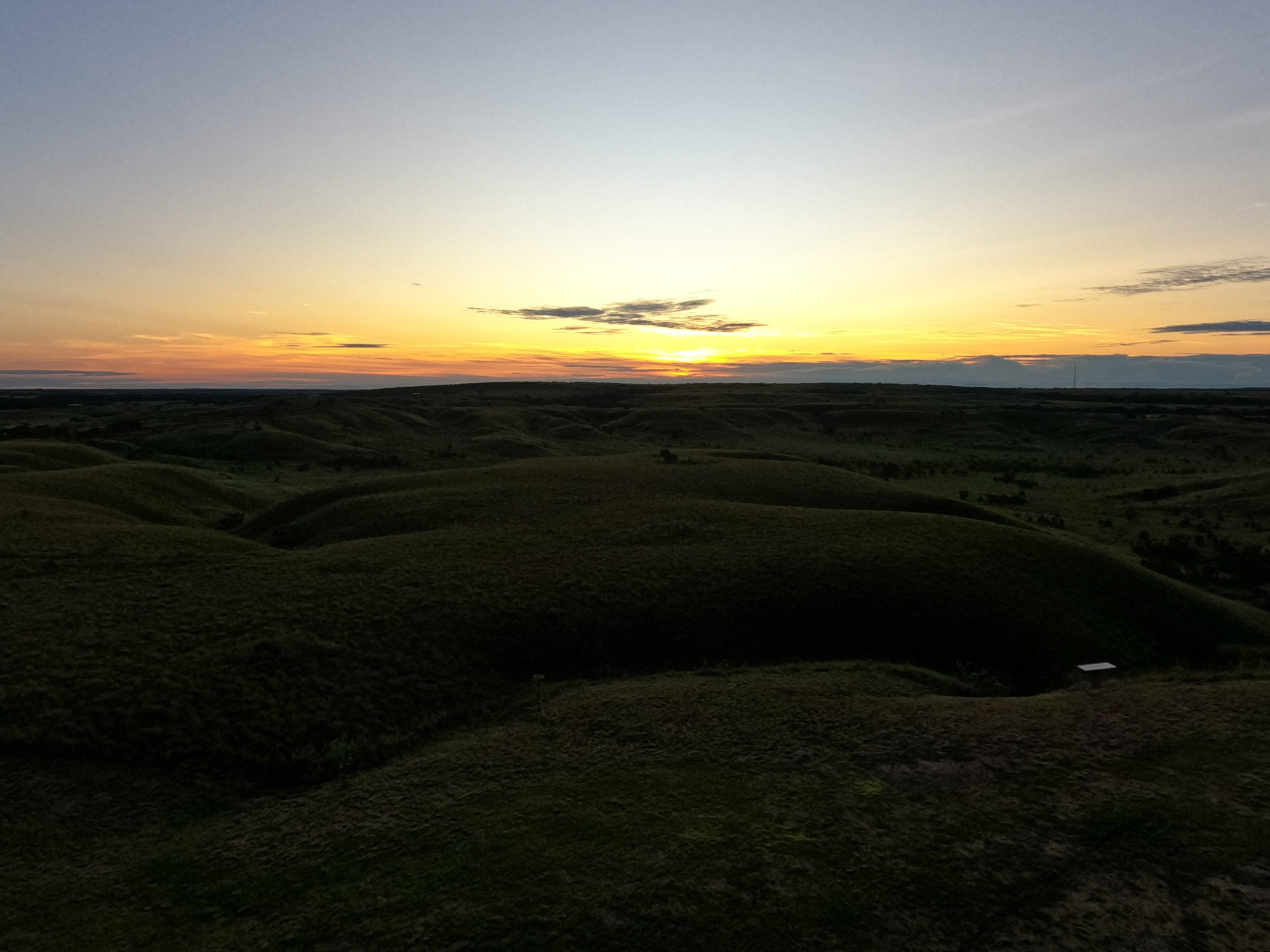
Back in La Macarena for the final evening, our tour manager turned up to take us to a lookout in the baren hills above the town. We were invited to plant a new tree each as part of a reforestation process, then climbed the tower to watch the sun set, spreading a burnt orange across the beautiful horizon.
We were scheduled to return to the tower to see the sunrise the next morning, but our flight was moved forward so we took our tired bodies and revitalised minds from the hotel directly to the airport instead. It was definitely a highlight of my time in Colombia.